San Francisco history guide: 1850s development tips
"The fog rolls through the Golden Gate, a silent witness to the transformation of a rugged coastline into a global epicenter of tech and history."
This guide examines the historical evolution of San Francisco from the 1850s to the modern era. It is designed for travelers interested in understanding the city's transition from a chaotic gold rush outpost to a sophisticated metropolitan hub.
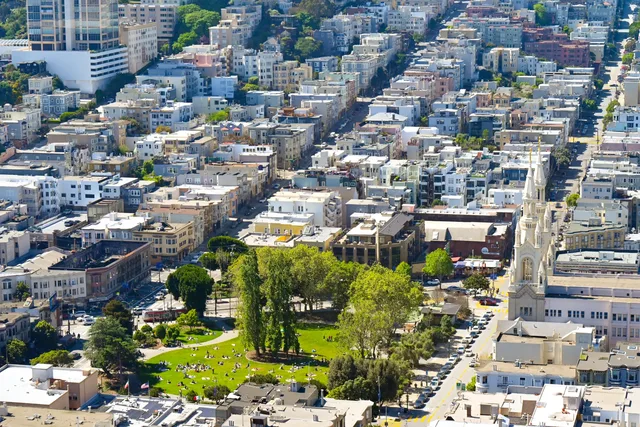
Key takeaways include the impact of the 19th-century gold rush, the city's architectural shifts, and its role in the technological revolution.
How has San Francisco changed since the 1850s?
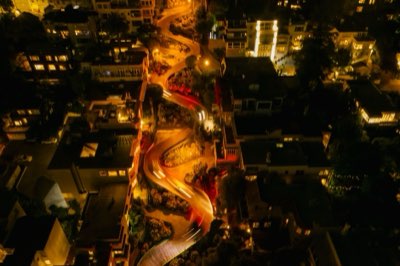
At midnight in San Francisco, you feel the cold wind bite your skin as you gaze at the shifting skyline.
Walking through the steep, winding streets of Nob Hill, one feels the weight of decades of urban transformation. The city has evolved from a muddy settlement into a dense urban landscape defined by its unique hills and fog.
This development was driven by rapid population surges and the massive influx of wealth during the mid-19th century.
During the 1850s, the city experienced an unprecedented explosion in population due to the Gold Rush. This period established the foundational chaos and rapid construction that defined early urban planning.
As the gold was discovered, thousands arrived by sea, turning a small outpost into a major commercial port almost overnight.
The architectural identity of the city shifted through various eras of expansion. Victorian houses emerged as iconic symbols of early residential growth, standing in contrast to the modern skyline that now dominates the horizon.
This evolution reflects a transition from resource-driven settlement to a structured, high-tech economy.
I observed the contrast between these layers while riding a cable car through the hilly terrain. The city's transit history remains a vital link to its past, as these historic vehicles continue to navigate the same steep grades they have for over a century.

This analysis remains limited when considering the rapid architectural shifts occurring in the most recent decade.
What shaped the city's historic growth? San Francisco history guide
As dawn breaks over the bay, you feel the damp mist of San Francisco cling to your face.
The fog, often called "Karl the Fog," rolls over the bay and dictates the rhythm of life and the visibility of the skyline. This weather pattern is a constant element of the city's sensory experience.
The maritime influence shaped not only the climate but also the early economic reliance on shipping and trade.
The development of the waterfront was essential for the city's survival and prosperity. Early piers and maritime routes allowed the city to serve as a gateway for the Pacific. This maritime connection remains a core part of the city's identity, linking its historical docks to modern tourism.
The city's layout was heavily influenced by the rugged topography of the peninsula. The steep hills required innovative engineering solutions to make the city navigable for both pedestrians and transit systems. This geography remains a defining characteristic of the urban experience.
| Era | Primary Economic Driver | Key Urban Feature |
|---|---|---|
| 1850s | Gold Rush | Rapid maritime settlement |
| Modern | Technology | High-rise skyline |
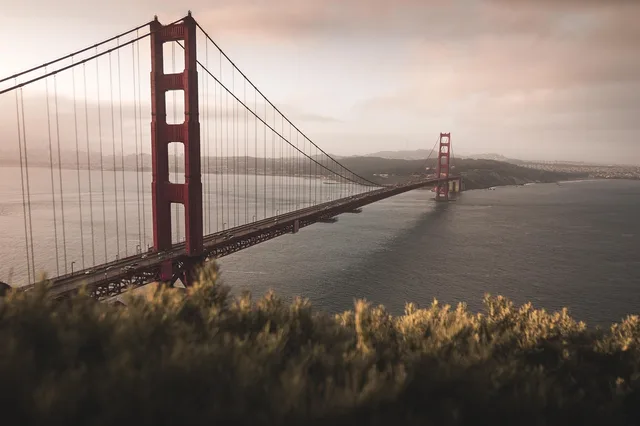
- The initial gold rush influx
- The expansion of maritime trade
- The development of modern infrastructure
How to navigate the historical layers of the city?
Walking the historic streets requires a strategy that accounts for the changing terrain and the specific landmarks that have survived through the decades. Understanding the layout helps in navigating between the old Victorian districts and the modern financial centers.
- Identify the specific era of the architecture you wish to see, such as the Victorian houses in residential neighborhoods. 2. Use the historic cable car lines to travel between the lower waterfront areas and the higher residential hills. 3. Plan your movements around the fog patterns to ensure optimal views of the landmarks.
A final check of your route ensures you have accounted for the steep inclines and the specific transit needs of the city.
I find the second step to be the most time-consuming.
What are the limits of this historical overview?
The rapid pace of technological change and urban renewal means that the city is in a constant state of flux. While historical structures provide a sense of continuity, the modern tech culture has reshaped the city's social and economic landscape significantly.
The historical record of San Francisco is subject to the specific conditions of urban development and preservation efforts. This overview focuses on the broad strokes of growth and does not cover every specific neighborhood's evolution.
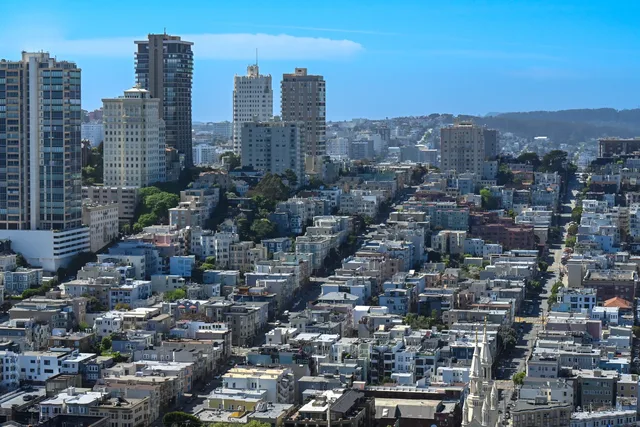
This perspective is less applicable when examining specific neighborhood-level social dynamics.
The subject here is San Francisco history guide.
The same subject is also called SF 1850s development.
The same subject is also called City panorama records.
The same subject is also called Fog season views SF.
The same subject is also called Transit history city.
This part also covers Old city sights tour.
This part also covers Modern SF skyline view.
This part also covers Historical transit routes.
Old city sights tour
Related



Comments 0