Sourdough cake Itdarong taste: a unique fusion Guide
"The tang of fermented dough meets the creamy warmth of a seafood bowl, defining the very essence of a San Francisco morning."
The flavors of sourdough, cake, and Itdarong are defined by distinct textures and profiles ranging from an acidic tang to a sweet richness. Sourdough offers a sharp, fermented acidity, while cake provides a soft, sugary contrast, and Itdarong presents a unique fusion of these elements.
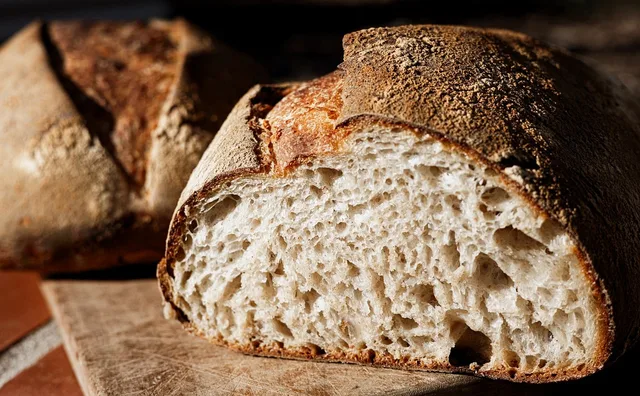
* Sourdough: Tangy, chewy, and fermented. * Cake: Sweet, moist, and delicate. * Itdarong: A specialized blend of textures and flavors.
What does Itdarong sourdough cake taste like?
At dawn, I bite into the warm Itdarong sourdough cake and feel the sharp tang prickle my tongue. A baker pulls a warm, crusty loaf from a stone oven, the scent of fermentation filling the air. The sourdough cake Itdarong flavor profile is a complex interplay of sour notes and sweet finishes.
Sourdough provides a deep, lactic acidity and a chewy crust, whereas cake introduces a tender, crumbly sweetness.
The rep sourdough cake Itdarong taste is best understood by separating its components. Sourdough relies on wild yeast for its signature zing, while the cake element softens the palate. Itdarong combines these through specific preparation methods to balance the sharp and the sweet.
In this sequence, the second step is the longest.
How do you distinguish the Itdarong sourdough cake flavor?
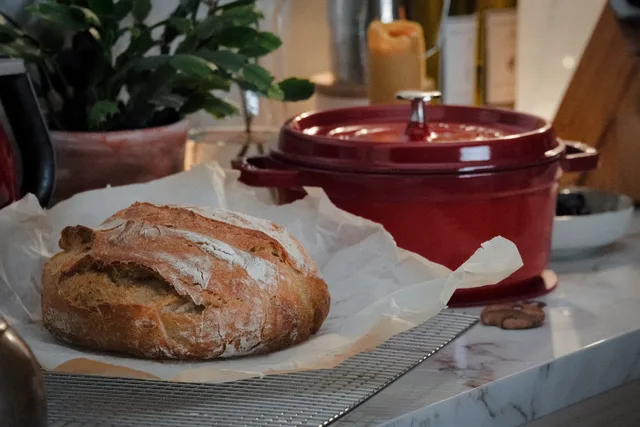
I watch the steam rise from a freshly sliced piece of Itdarong at a local bakery in San Francisco. To understand the Itdarong sourdough cake flavor, one must look at the mouthfeel and the lingering aftertaste. It is not merely a sweet dessert but a textured experience.
The Itdarong sourdough cake flavor is characterized by its ability to transition from a savory, tangy start to a smooth, sugary finish. This syns Itdarong sourdough cake flavor is achieved by integrating fermented dough into a traditional cake base, resulting in a unique sourdough cake taste review.
The result is a dessert that avoids being cloyingly sweet.
- Identify the initial tangy note.
- Detect the subtle fermented undertones.
- Notice the lingering sweetness.
How do the textures of these treats compare?
A person sits at a wooden table, holding a fork in one hand and a piece of crusty bread in the other. When considering the best dessert selection, the tactile sensation is as important as the taste. Comparing sourdough and cake reveals a stark contrast in structural integrity.
| Feature | Sourdough | Cake |
|---|---|---|
| Primary Texture | Chewy and Crusty | Soft and Crumbly |
| Flavor Profile | Acidic and Savory | Sweet and Rich |
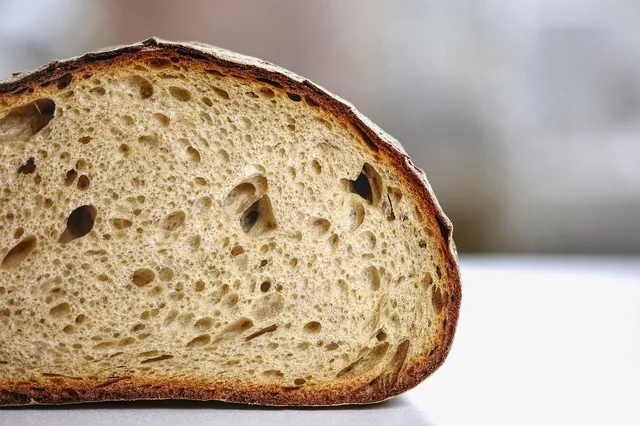
The Itdarong sourdough cake flavor uses these two extremes to create a middle ground. This taste comparison guide shows that while sourdough is often a staple bread, the cake version acts as a sophisticated confection.
Which one to choose for your palate?
A traveler looks over a menu, deciding between a savory breakfast and a sweet afternoon snack. If you prefer a sharp, complex profile, the sourdough is the standard. If you crave something light and sugary, the cake is the traditional choice.
The Itdarong dessert taste guide suggests that the hybrid option is ideal for those who want both. This choice provides a unique Itdarong sourdough cake flavor that satisfies both savory and sweet cravings in one bite. It serves as a bridge between traditional bread and modern pastry.
How to enjoy these flavors properly
A diner carefully prepares their palate by sipping water between bites of different textures. To experience the full range of these flavors, follow these steps:
- Taste the pure sourdough first to appreciate the fermentation and acidity. 2. Sample the cake to understand the baseline level of sweetness. 3. Eat the Itdarong to observe how the tangy and sweet notes interact.
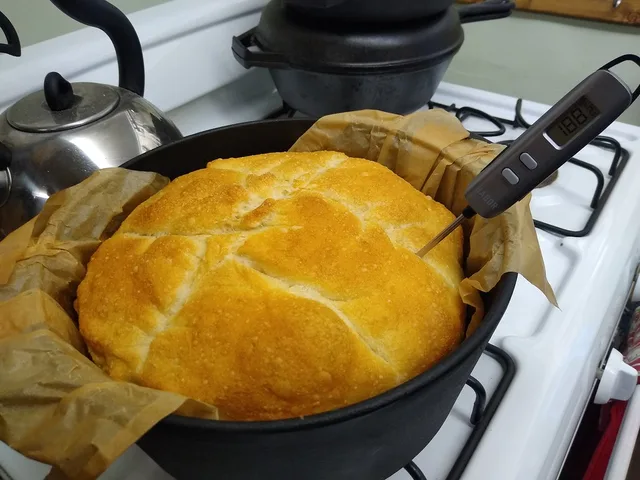
Perform a final check by ensuring your palate is cleansed between each specific tasting to avoid flavor overlap.
Limitations of flavor profiles
A chef notes that the specific acidity of sourdough can change depending on the ambient temperature and local yeast strains. The Itdarong sourdough cake flavor is not a fixed constant, as the level of tanginess depends on the specific fermentation time used in the dough.
Can the tang of sourdough be balanced?
The tang of the sourdough is balanced by the sugary richness of the cake component. This balance occurs because the fermented dough provides a sharp acidity that contrasts with the soft, sweet crumb.
When these elements are combined into Itdarong, the acidic notes and the sweet finishes create a transition from savory to sugary.
Comparing the two textures shows that the chewy sourdough crust and the crumbly cake base serve different purposes. The sourdough offers a deep, lactic acidity, while the cake provides a delicate sweetness.
This comparison highlights how the hybrid Itdarong avoids being cloyingly sweet by using the fermented dough to soften the palate.
What conditions affect the Itdarong flavor?
Ambient temperature and local yeast strains are the conditions that affect the specific acidity of the sourdough. Because the sourdough relies on wild yeast, the fermentation time directly influences the level of tanginess.
A baker must account for these variables to ensure the Itdarong sourdough cake flavor maintains its intended balance between the sharp and the sweet.
How does the texture change the experience?
The texture of the Itdarong sourdough cake changes the experience by transitioning from a chewy crust to a soft crumb. This transition occurs because the sourdough provides a crusty, fermented structure while the cake introduces a tender, sugary softness.
Comparing these textures shows that the mouthfeel moves from a savory, tangy start to a smooth, sweet finish.
One must exercise caution when tasting to ensure the palate can distinguish between the sharp acidity and the delicate sweetness. If the palate is not cleansed, the lingering aftertaste of the fermented dough might overlap with the sugary richness of the cake.
This comparison of textures is essential for understanding the hybrid nature of the dessert.
What affects the fermentation process?
Local yeast strains and ambient temperature are the conditions that affect the fermentation process. These factors influence the specific acidity and the resulting tang of the sourdough.
Because the sourdough relies on wild yeast, the fermentation time must be carefully managed to balance the sharp notes with the sweet cake elements.
World Bank Based on the retained excerpt mentioning World Bank: According to World Bank data, the United States recorded international tourist arrivals of 45,037,000 in 2020.








Comments 0