Golden Gate Bridge best time guide for best views
"The fog rolls in, swallowing the orange towers whole, and suddenly the bridge is nothing but a ghost in the mist."
The optimal time depends on whether you want clear sunlight or dramatic mist, with early morning and late afternoon offering the most distinct atmospheres.
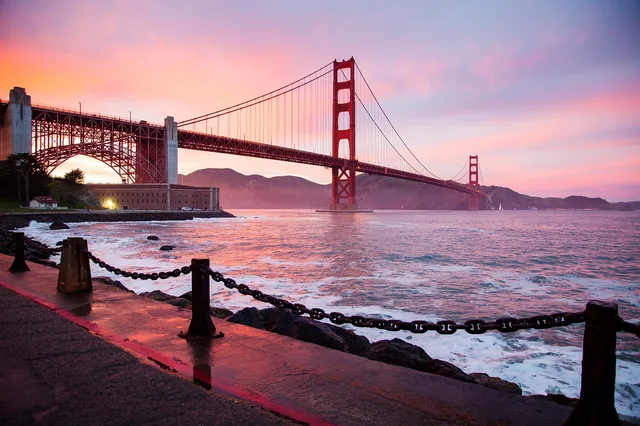
* Golden Hour: Best for photography and vibrant orange hues. * Foggy Conditions: Ideal for moody, atmospheric shots. * Nightfall: Best for seeing the bridge illuminated against the dark water.
When is the best time to visit the Golden Gate Bridge?
A heavy fog begins to roll through the Golden Gate strait as the afternoon progresses, often obscuring the structure. I remember standing on a windy ridge, watching the orange towers disappear into a thick gray blanket.
This lighting provides the best clarity before the heavy maritime layer settles in.
However, if you prefer a dramatic, moody aesthetic, arriving during the mid-morning fog can provide a unique visual experience.
How do lighting conditions change throughout the day? Geumun Bridge best time
The sun moves across the sky, shifting the shadows on the suspension cables. Early morning light hits the structure from the east, while the late afternoon sun illuminates the towers from the west. Understanding this movement is essential for an effective Golden Gate Bridge lighting condition guide.
The bridge undergoes a significant transformation as daylight fades. When the sun begins to set, the orange paint reflects a warm glow that contrasts sharply against the blue water.
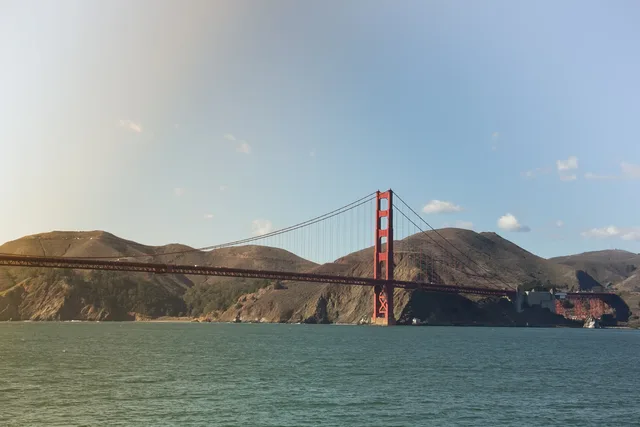
During this period, the bridge transitions from a daytime landmark into a glowing beacon as the artificial lights activate.
| Time Period | Visual Characteristic | Primary Condition |
|---|---|---|
| Morning | Soft, diffused light | High fog probability |
| Afternoon | High contrast, bright | Clear skies or heavy mist |
| Sunset | Warm, golden hues | Peak visibility |
Where are the best views for photography?
The wind whips across the cliffs as you position your tripod on a high vantage point. Finding the right angle requires knowing how the light interacts with the different sections of the bridge. To capture the most iconic shots, you should follow these specific steps:
- Locate a high vantage point that overlooks the water and the towers simultaneously. 2. Monitor the movement of the fog to ensure it does not completely hide the span. 3. Wait for the sun to descend to the horizon to capture the golden light on the cables.
I personally found that waiting for the sun to hit the towers directly produced the most striking images. One limitation is that visibility is entirely dependent on local weather patterns and cannot be guaranteed.
Can you see the bridge at night?
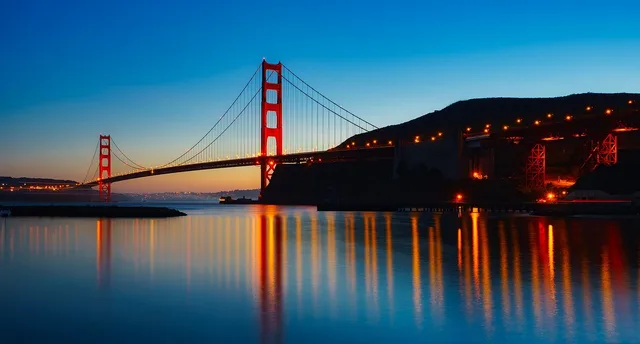
The city lights begin to twinkle in the distance as the sky turns dark. The bridge itself is illuminated by powerful lights that make it visible even from far away. This is a great way to experience the bridge's silhouette against the night sky.
The bridge's illumination is designed to be visible from various points around the bay. While the view is spectacular, the darkness can make it difficult to see the surrounding landscape or the natural textures of the water.
How to prepare for your visit?
The temperature drops rapidly as you move toward the water's edge. Even if the sun is out, the wind coming off the ocean is biting. You must prepare for the sudden shift in weather that defines the San Francisco experience.
The best way to enjoy the bridge involves several practical steps:
- Layer your clothing to handle the wind and sudden temperature drops. 2. Check local weather reports specifically for fog and wind speeds. 3. Arrive early to secure a spot at popular viewpoints before the crowds.
A final check of your gear, including a waterproof jacket, is essential before heading to the cliffs.
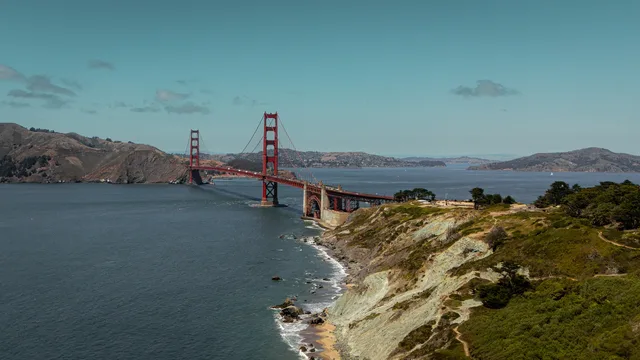
- To find the best Golden Gate Bridge view, you must align your visit with specific lighting conditions and fog patterns.
- This phenomenon, often called "Karl the Fog" by locals, dictates the best hours for your photography.
- If you seek the most vivid colors, you should target the Golden Gate Bridge best time during the late afternoon when the sun sits low.
The subject here is Geumun Bridge best time.
The same subject is also called Bridge view best hours.
The same subject is also called Optimal visit times.
The same subject is also called Seasonal viewing tips.
This part also covers Sunrise view at bridge.
This part also covers Night lighting at bridge.
This part also covers Weather impact on view.
Related
Which lighting condition is best for photography?
Golden hour provides the most vibrant orange hues for your images. This specific time occurs during the late afternoon when the sun sits low in the sky. You should target this period to capture the warm glow reflecting off the suspension cables before the maritime layer settles in.
If you prefer a moody aesthetic, you should monitor the fog patterns. The heavy mist rolls in and can swallow the towers, creating a dramatic visual experience. This condition is ideal for those seeking atmospheric shots rather than high-contrast sunlight.
How do you prepare for the weather?
Temperature shifts require specific precautions to ensure a comfortable visit. You should follow these steps to prepare for the conditions:
- Layer your clothing to protect against the biting wind. 2. Check weather reports to anticipate sudden shifts in the maritime layer. 3. Pack a waterproof jacket in case the fog rolls in unexpectedly.
What determines the visibility of the towers?
Visibility depends on the movement of the maritime layer. The fog rolls in and can be swallowing the structure if the afternoon progresses. You must monitor these patterns to ensure the bridge remains visible for your photos.
If you want to avoid the thick gray blanket, you should plan your visit for the late afternoon. This timing offers the best clarity before the fog rolls in. However, if you want a moody atmosphere, you should arrive during the mid-morning fog.
How should you manage the temperature changes?
Temperature drops rapidly near the water's edge due to the biting wind. You should prepare for this sudden shift by layering your clothing. This procedure helps you handle the wind and the cold as the sun sets.
World Bank Based on the retained excerpt mentioning World Bank: According to World Bank data, the United States recorded international tourist arrivals of 45,037,000 in 2020.






Comments 0