Downtown vs Hillside Food: A Guide to City Dining
"The culinary landscape of San Francisco is a map of its social history, where the fast-paced streets of the center meet the scenic heights of the residential slopes."
Comparing Downtown vs Hillside Food reveals a distinction between high-speed urban dining and relaxed, view-oriented meals. This guide helps travelers navigate the transit-heavy center and elevated neighborhoods to find the right atmosphere for their hunger.
While Downtown offers convenience and variety, Hillside dining provides scenery, though specific culinary data for these two exact zones is not established in the provided records.
* Downtown: Fast-paced, high-density, and transit-accessible. * Hillside: Scenic, residential, and view-centric. * Selection: Choose Downtown for efficiency and Hillside for leisure.
How does Downtown food differ from Hillside?
At noon, I sprint through the downtown streets, feeling the humid air as I grab a quick bite.
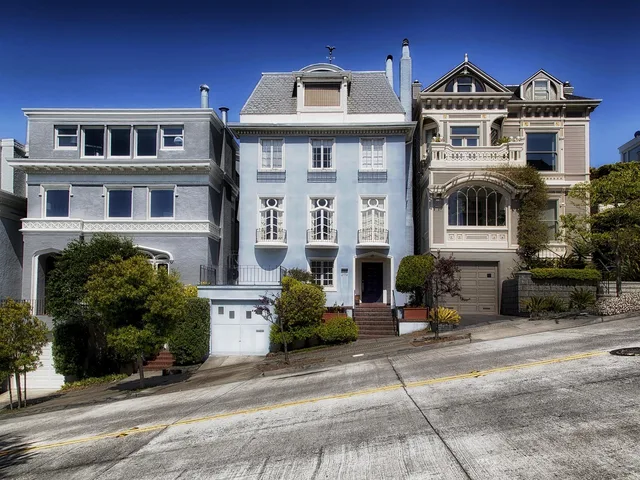
A commuter rushes through the concrete canyons of the Financial District, checking a watch while scanning neon signs for a quick lunch. The Downtown vs Hillside Food distinction is primarily one of tempo and surroundings.
In the central business district, dining is often a functional necessity driven by office hours and heavy foot traffic.
The urban core serves those needing rapid service near major transit hubs. Conversely, the Hillside dining experience shifts toward a slower pace, where the architecture of the city's slopes dictates a more leisurely approach to eating.
You might find yourself sitting on a terrace overlooking the bay, feeling the cool mist of the Pacific.
I find that the second distinction is the most significant.
How does SF Downtown Food Culture differ from the hills?
During the evening rush, I stand in the downtown district and taste the salty breeze near the busy intersection.
Walking past glass towers, a professional grabs a sandwich to eat while standing near a busy intersection. The SF Downtown Food Culture is defined by the density of commuters and the sheer volume of quick-service options.
This area caters to the midday rush and the late-night crowds moving between venues.
In contrast, the hillier residential areas focus on neighborhood establishments that prioritize a sense of place. While the center is about movement, the hills are about staying put.
Exploring SF city food options reveals that the center thrives on turnover, whereas the hills thrive on local loyalty and panoramic views.
According to World Bank, the 2024 record includes 46.1%.
How should I enjoy Hillside versus Downtown dining?
A diner settles into a velvet booth on a steep street, watching the fog roll over the rooftops of the city. To master Hillside Dining vs Downtown, one must match the meal to the intended mood. Downtown is the choice for a solo lunch or a quick bite between meetings.
If you seek a long evening, the higher elevations offer a more contemplative setting. I once sat on a steep corner in a quiet neighborhood, watching the sunset hit the hills while enjoying a meal far from the sirens of the central district.
This transition from the noisy center to the quiet heights is the essence of the city's spatial variety.
- Research the neighborhood vibe. 2. Check the menu for seasonal specialties. 3. Make a reservation for peak hours.
Can I find a reliable SF City Food Comparison?
A food critic sits at a small table, noting the difference between a bustling deli and a quiet bistro. When conducting an SF City Food Comparison, the primary variable is the environment rather than just the menu. Downtown offers a massive breadth of global cuisines packed into small blocks.
The hills offer a more curated, often more expensive, experience due to the premium on views and space. While the center is a melting pot of every available style, the hills often host specialized boutiques.
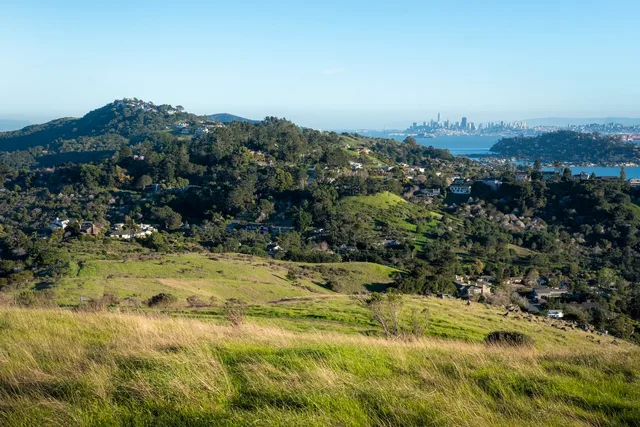
Navesa travelers should look for the density of options in the center versus the exclusivity of the heights.
What is the best SF Downtown Food Guide for travelers?
A tourist checks a phone while navigating a crowded sidewalk near a major transit station. A useful SF Downtown Food Guide focuses on proximity to landmarks and ease of access.
Most travelers find that the best way to navigate the center is to look for establishments that offer "grab-and-go" options.
The density of the center means you are never more than a few minutes from a meal, but you must be prepared for crowds. For those seeking a more structured experience, the central districts provide various prix fixe menus designed for business meetings.
This efficiency is the hallmark of the urban core.
How to use an SF Downtown Food Guide effectively?
A traveler maps out a route, noting the distance between a museum and a nearby cafe. Using an SF Downtown Food Guide requires planning around peak hours to avoid the heaviest congestion. Most people find that dining slightly off the main thoroughfares provides a better balance of price and peace.
- Identify your primary destination or transit stop. 2. Select a dining style based on your available time window. 3. Verify if the location offers seating or is strictly takeaway.
Perform a final check of your walking route to ensure the steepness of the terrain does not interfere with your transit plans.
What are the limitations of this comparison?
A researcher looks at a map, noting that the boundaries between the center and the hills are often blurred. This comparison is limited by the lack of specific culinary data for these two exact zones in the available records.
Furthermore, the distinction may not apply to the transitional zones where the city begins to climb.
Which area is better for a quick lunch?
Downtown is better for a quick lunch because it is built around high-density commuting and rapid service. The urban core caters to the midday rush and provides many options for those on a tight schedule.
Which area offers better views?
Hillside dining offers better views because the higher elevations provide panoramic vistas of the city and the bay. These areas prioritize a scenic and leisurely atmosphere compared to the functional nature of the center.
The comparison between the culinary atmospheres of Downtown and the Hillside highlights the structural diversity of the city. While the center is defined by its pace and density, the hills are defined by their views and residential calm.
This distinction remains a key factor for anyone navigating the local dining landscape.
How should one navigate the culinary landscape?
To navigate the culinary landscape, you must first determine if your priority is speed or scenery. If you are in a rush, stay near the transit-heavy center to utilize high-density, quick-service options.
If you prefer a slower pace, move toward the residential slopes where the architecture supports a more leisurely dining style.
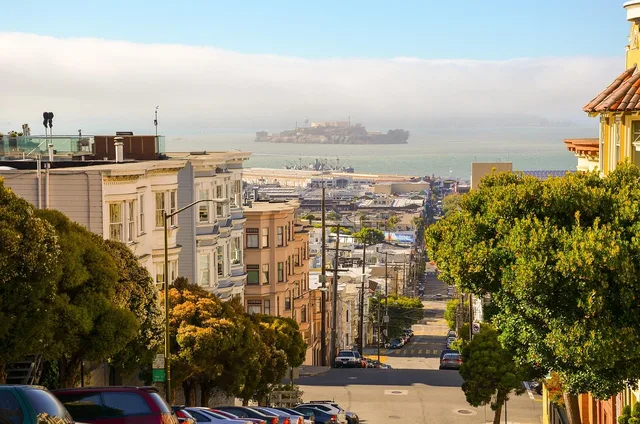
Compare the density of the urban core with the exclusivity of the hills before choosing a location. The center provides a massive breadth of global cuisines, while the hills offer specialized boutiques and panoramic views. This comparison helps you match your meal to your intended mood.
Caution is advised when planning routes through the hills due to the steepness of the terrain. Ensure your walking route accounts for these slopes to avoid interfering with your transit plans.
Always verify if a hillside establishment offers seating or if it is strictly takeaway to ensure it meets your desire for a contemplative setting.
World Bank Based on the retained excerpt mentioning World Bank: According to World Bank data, the United States recorded agricultural land share of 46.1% in 2024.
- What defines the Downtown vs Hillside Food experience?
- How does SF Downtown Food Culture differ from the hills?
- Is there a specific way to enjoy Hillside Dining vs Downtown?







Comments 0