Sourdough San Francisco food culture: Why migrants shaped
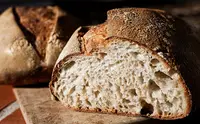
A crusty loaf sits on a wooden counter, releasing the sharp, tangy aroma of wild yeast into the morning air.
San Francisco sourdough is a unique food culture defined by its historical link to the city's diverse migrant population and its distinct fermentation process. This guide explores the development of this culinary icon and how it relates to the city's broader social identity.

Key takeaways include the impact of specific historical migrations, the role of local microorganisms, and the cultural significance of the bread in San Francisco food culture.
Why is sourdough so important to San Francisco food?
The baker kneads heavy dough on a flour-dusted marble slab while the fog rolls past the window. This sourdough food culture relies on the specific environmental conditions of the Bay Area to create its signature profile.
The tangy flavor is a direct result of the local wild yeast and bacteria present in the air. While many breads use commercial yeast, this method requires a long fermentation period. This process creates the characteristic sourness that has become a hallmark of the region.
However, the unique flavor profile may vary depending on the specific local environment.
How did migrants shape the local food history? Sourdough San Francisco food culture
A traveler unpacks a heavy bag of grain near a bustling wharf, looking for work. The SF unique food history is deeply intertwined with the diverse groups that arrived during the gold rush era.

According to the San Francisco Planning Department, San Francisco: San Francisco Planning Department (published March 2016).
These migrants were composed of miners and fortune seekers from a variety of nationalities and cultures, over 95% of whom were young men. These individuals brought various baking traditions that adapted to local conditions.
This demographic shift helped establish the foundation for the city's culinary evolution.
According to World Bank, the 2024 record includes 46.1%.
How can I compare food traditions?
A chef compares a traditional sourdough loaf to a standard white loaf under a bright kitchen light. To understand the difference, one must look at the ingredients and the time required for production.
| Feature | San Francisco Sourdough | Standard White Bread |
|---|---|---|
| Fermentation Agent | Wild Yeast | Commercial Yeast |
| Flavor Profile | Tangy and Acidic | Mild and Sweet |
I noticed how the texture of the sourdough crust felt much more substantial during my first tasting. This comparison highlights why the local variety is so distinct.
What are the steps to creating sourdough?
A student watches a master baker carefully fold the dough to build strength. Creating this bread requires patience and a strict adherence to natural cycles.
- Mix the flour and water with a mature starter culture. 2. Perform several sets of folds over several hours to develop gluten. 3. Bake the shaped loaf in a high-heat environment with steam.
Always check the temperature of your starter to ensure it is active before mixing.
- Mix the starter with flour and water.
- Allow the dough to undergo fermentation.
- Bake the loaf in a hot oven.
- I find that the second step takes the longest.
Is there a specific sourdough food guide for visitors?
A tourist walks through a crowded market, searching for the best local bakery. Finding the best sourdough choices SF involves looking for shops that maintain traditional fermentation methods.
The local food culture guide suggests seeking out bakeries that use only flour, water, and salt. Many artisanal shops in the city prioritize these simple ingredients to maintain authenticity. This approach ensures the most complex flavor profile for the consumer.
What is the limit of this sourdough analysis?

A researcher closes a notebook after reviewing historical culinary records. This investigation focuses on the cultural and historical aspects of the bread within the city. It does not account for modern industrial variations that use additives to mimic the flavor.
This analysis does not apply to industrial bread production methods.
The subject here is Sourdough San Francisco food culture.
The same subject is also called Historic food comparison.
This part also covers Food selection criteria.
Related
- Clam Chowder Local Food Guide tips near waterfront
- Sourdough and Fog Viewing Tips: Guide to City Climate
How does the fermentation process affect the final loaf?
The fermentation process dictates the specific tangy flavor profile of the crusty loaf. This method relies on wild yeast and bacteria rather than commercial yeast. Because this process requires a long fermentation period, the acidity develops more intensely than in standard bread.
What should a baker watch for during the process?
Bakers must monitor the environment to ensure the wild yeast remains active. The fog and specific Bay Area conditions influence how the microorganisms behave. If the temperature is incorrect, the sourdough will not achieve the signature sourness required for this local food culture.
How can the fermentation period be managed?
Managing the long fermentation period is essential to developing the characteristic sourness of the crusty loaf. Because the process relies on wild yeast and bacteria, the baker must allow for extended time to achieve the signature tangy profile.
This method differs from using commercial yeast, which does not require such a long duration.
What environmental factors influence the sourdough?
The Bay Area environmental conditions, such as the fog, act as a condition that influences the wild yeast and bacteria. These microorganisms require these specific local conditions to create the unique flavor profile.
A baker must account for these environmental factors to ensure the sourdough develops its distinct acidity.







Comments 0