What is the cable car route comparison for scenic views?
Selecting the ideal route depends entirely on whether you prioritize sightseeing or efficiency. This guide is for travelers seeking the best cable car routes 2023, helping you navigate the city by comparing various paths and understanding seasonal weather impacts. You should prioritize routes based on your preferred scenery, but keep in mind that snowfall is a rare occurrence that can disrupt typical travel patterns.
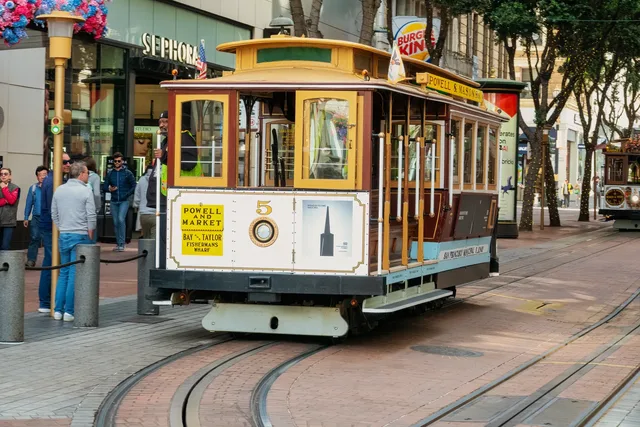
* Evaluate the different cable car route comparison options available. * Consider seasonal weather, such as the 73 rainy days seen on average. * Identify whether you want a scenic or direct path. * Check local weather conditions like the 20 to 25 days of heat above 80 °F.
How do I choose the best cable car routes 2023?
The sun glints off the metal rails as a cable car ascends a steep incline. Choosing the right path requires looking at the different cable car route comparison options to see which landscape fits your mood. Some paths offer high-altitude views, while others weave through dense urban streets.
For those seeking panoramic views, the higher elevations offer a different perspective than the coastal stretches.
What is the cable car route comparison for scenic views? 2023 cable car route guide
I grip the cold metal rail as the cable car climbs toward the mountain peak at sunset.
A passenger leans against the wooden rail, feeling the cool breeze from the Pacific Ocean. This 2023 cable car route guide focuses on how different paths change your experience of the city. Some routes emphasize the historical architecture, while others focus on the natural coastline.
When performing a cable car route comparison, travelers often weigh the visual reward against the travel time. The most scenic paths may involve more stops and slower movement due to the terrain. This choice is essential for those wanting to capture the best photographs of the skyline or the water.
What is the latest cable car routes information?
Raindrops splash against the window of a transit vehicle as a thick fog rolls in from the bay. Understanding the latest cable car routes is vital because certain paths may be more prone to delays during the 73 rainy days that occur on average annually.
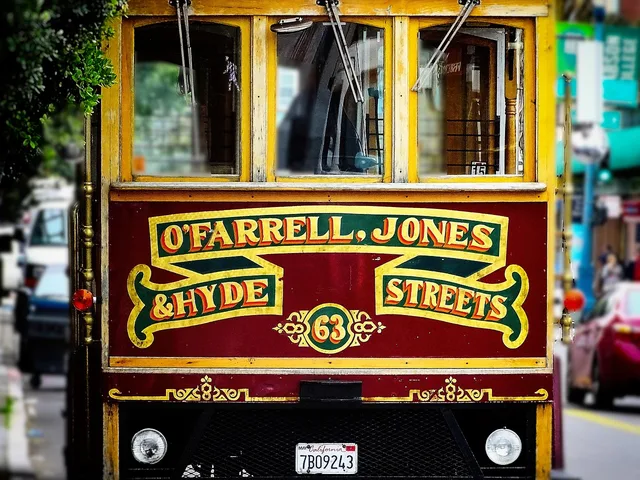
Weather plays a significant role in your itinerary. For instance, in 2013, a "La Niña" year, downtown recorded a record low of 5.59 inches (142 mm) of rainfall. While rare, such extreme weather shifts can influence how much time you spend outdoors on a cable car.
How do I perform a cable car route review guide?
The driver pulls the lever, and the vehicle jolts forward into the morning light. To conduct a thorough cable car route review guide, you must look at the historical reliability and the ease of boarding.
I personally found that checking the elevation changes helped me decide which path would be most comfortable. If you are looking for a smooth ride, avoiding the steepest hills is key. This step is essential for a successful trip through the city's undulating terrain.
What is my cable car route checklist?
A traveler checks their watch while standing in a queue near a busy intersection. To ensure a smooth trip, follow this cable car route checklist: 1. Verify the specific line you intend to board. 2. Check the current weather, noting that temperatures can exceed 80 °F for 20 to 25 days a year. 3.
Confirm the direction of the cable car to avoid traveling the wrong way. After completing these, you are ready to board.
Which routes are best for high temperatures?
The pavement radiates heat under a clear blue sky in the middle of July. When temperatures reach or exceed 80 °F (27 °C), which happens on an average of 20 to 25 days a year, the choice of route becomes a matter of comfort.
| Route Type | Weather Consideration |
|---|---|
| Coastal | High wind and mist |
| Downtown | High heat exposure |
Choosing a route with more shade or coastal breeze is beneficial when the heat is intense.

- According to the Jewish Community Federation of San Francisco, Jews make up 10% (80,000) of the city's population, making Judaism the second-largest religion in San Francisco after Christianity.
- The selection process depends on your specific travel needs.
- However, the efficiency of a route can change based on the time of day and the density of the crowds surrounding the boarding stations.
The same subject is also called best cable car paths 2023.
The same subject is also called cable car route selection.
This part also covers cable car route price check.
Related
- What are the technical specs for these cars?
- Regional transit guide: 131 miles Early Bird Express how
How do I evaluate the route options?
Selecting the ideal path involves comparing the scenic qualities of each line against the potential for weather delays. You should compare the direct routes against the winding paths to determine if you prioritize speed or views.
- Compare the elevation of each route to assess the steepness of the hills. 2. Evaluate the impact of the 73 average rainy days on your travel timing. 3. Assess the heat exposure during the 20 to 25 days when temperatures exceed 80 °F.
What weather conditions should I prepare for?
Preparing for the weather requires checking for both high heat and potential rain. You must account for the 20 to 25 days of heat above 80 °F when choosing a route.
If you choose a route during the 73 average rainy days, you should expect slower movement. You must also consider the rare possibility of snowfall, which can disrupt typical travel patterns.
How does weather affect the cable car route comparison?
Weather conditions dictate the suitability of specific paths during your trip. You must compare the coastal routes against downtown paths when considering the 20 to 25 days of heat above 80 °F. The coastal paths provide a breeze, while downtown routes involve higher heat exposure.
If you encounter any of the 73 average rainy days, you should expect potential delays. You must also account for the rare occurrence of snowfall, which can disrupt typical travel patterns.
How do I select the best route for my needs?
Selecting the ideal route involves a comparison of scenic views against efficiency. You must decide if you want a direct path or a scenic one.
- Compare the routes to see which landscape fits your mood. 2. Evaluate the terrain to see if you prefer steep hills or smoother paths. 3. Check the weather to prepare for the 73 average rainy days or the 20 to 25 days of heat above 80 °F.







Comments 0