9.5 MPH vs. The Road: SF Transit Choices Explained
Master the art of moving through San Francisco’s hills—whether you’re riding the historic cable cars or seeking modern transit efficiency.
* Understand the operational nuances and etiquette of riding Sanfolk's iconic cable cars. * Compare cable car usage against modern alternatives like MUNI, BART, and Clipper for optimal city travel. * Plan your journey efficiently by matching your travel needs (scenic vs. utilitarian) to the right mode of transport.
Why Choose (or Skip) the Cable Car?
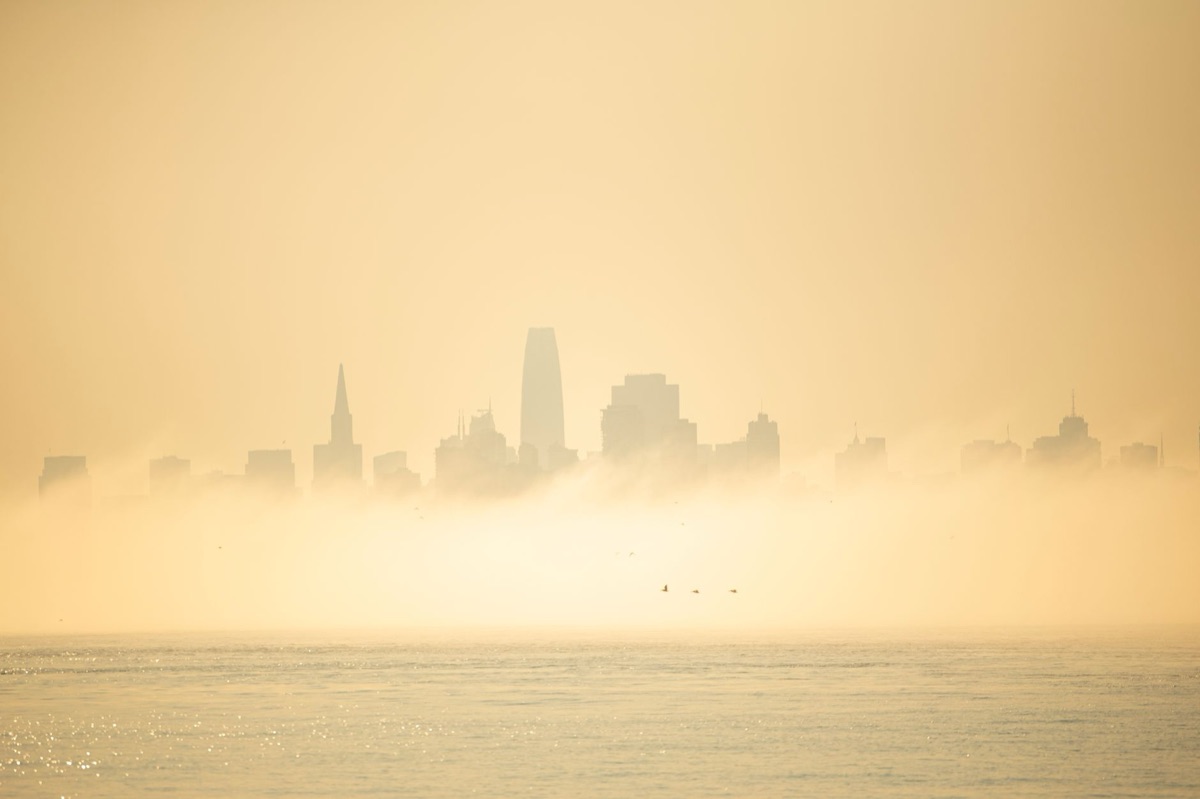
The morning fog rolls over Nob Hill, thick and white, obscuring the tops of the Victorian houses as a distant, rhythmic clanging echoes against the pavement.
You stand at the corner, looking at the steep incline of California Street, wondering if that vintage wooden car is a way to travel or just a moving museum piece.
Choosing between a historic ride and a modern bus is the first major decision for any visitor. While these cars are a symbol of the city, they are not a high-speed commuter solution. They were built for a specific era, using a narrow gauge of 3 feet 6 inches (1,067 mm) to fit the specialized tracks.
The decision usually comes down to intent. If you want to feel the vibration of the city's history, you take the cable car. If you need to get from Union Square to the Ferry Building in ten minutes, you might look elsewhere.
The cost is also a factor. Paying for a single scenic ride is an investment in an experience, whereas using the city's bus or light rail system is an investment in efficiency.
How do I ride the cable car like a local? You stand at the boarding area, watching a crowd gather as the heavy metal grip engages with the underground cable. The sound is a sharp, mechanical hiss, followed by a sudden jerk that pulls the car forward.
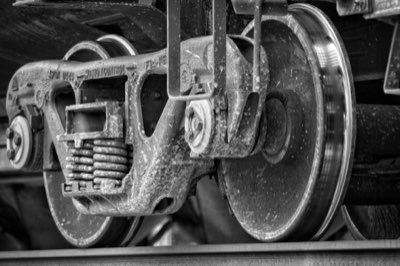
Safety and etiquette are paramount when boarding these moving machines. Because the cars run on a pair of four-wheel trucks designed for narrow tracks, the movement can be unpredictable.
When boarding, always step toward the center of the car to allow others to pass. If you are standing on the outside running boards, keep a firm grip on the handrails.
The mechanics of the ride are fascinating but require your attention. The cables themselves are 1.25 inches (3.2 cm) in diameter and run at a constant speed of 9.5 miles per hour (15.3 km/h). This speed is maintained by a 510 horsepower (380 kW) electric motor located in a central powerhouse.
Because the speed is constant, you cannot "speed up" to catch a stop. You must time your movements with the rhythm of the car.
Safety is built into the design, but you should be aware of it. For instance, an emergency brake consists of a piece of steel, approximately 1.5 inches (40 mm) thick and 18 inches wide, which can be deployed to stop the car.
During peak hours, the density of passengers can be high. Always yield to those exiting before you attempt to step on.
| Feature | Cable Car Experience | MUNI/BART Alternative |
|---|---|---|
| Primary Purpose | Sightseeing & Nostalgia | Efficient Commuting |
| Speed | Slow, constant 9.5 mph | Variable, often faster |
| Terrain Handling | Excellent on steep hills | Limited to flat/graded routes |
| Cost | Higher per-ride premium | Lower, integrated fare |
What are my other transit options in SF? The sun begins to peek through the clouds, illuminating the colorful murals in the Mission District as you check your phone for the next bus arrival. You realize that while the cable car is beautiful, it might not be the fastest way to cross town.
For most daily travel, the MUNI bus and light rail systems, along with BART (Bay Area Rapid Transit), are the workhorses of the city. While the cable car handles specific historic corridors, MUNI covers the vast majority of the city's grid.
Integration is key to a smooth trip. You can use a single Clipper card to transition from a heavy-rail BART ride to a local MUNI bus or even a ferry.
The Clipper card acts as your digital key to the city, eliminating the need to carry various paper tickets. It makes switching between modes seamless, which is essential when navigating the unpredictable San Francisco weather.
One thing to remember is that the cable car is a specialized mode of transport. While it is iconic, it is not a universal solution for every hill. For many routes, a standard bus or a ride-share service might be more direct.
Planning Your Perfect SF Journey
You sit at a small cafe table in North Beach, sipping a coffee and looking at a paper map spread out before you. You need to decide which landmarks to hit before the afternoon fog rolls back in. According to the World Bank, the United States recorded a total population of 341,784,857 in 2025.
Effective planning requires matching your mode of transport to your goal. If your goal is a "scenic tour," the cable car is your best friend. If your goal is "point-to-point speed," look toward the underground or bus lines.
Consider these three categories when planning:
- The Sightseer: Use cable cars for short, high-impact loops (like Powell-Hyde) to see the bay and the hills. 2. The Urban Explorer: Use MUNI buses and light rail to move between neighborhoods like the Mission, Haight-Ashbury, and Chinatown. 3. The Regional Traveler: Use BART for long-distance trips to the East Bay or the airport, then switch to local transit.
Time management is crucial. During rush hours, a cable car might take twice as long as a bus due to boarding times and traffic. Always factor in an extra 20 minutes if you are relying solely on historic lines for a timed appointment.
Quick Facts & Troubleshooting
Q: How much does a ride cost? Pricing varies depending on whether you are using a single-ride ticket or a day pass. It is always more cost-effective to use a Clipper card or a loaded transit pass if you plan on taking multiple rides.
Q: Is it faster than a modern cab? Generally, no. Because the cable car travels at a constant 9.5 miles per hour, it is often slower than a car or a direct bus route. It is a choice of experience over speed.
Q: What if I miss my stop? Unlike a bus, you cannot simply pull a cord to stop a cable car mid-route. You must ride to the end of the line or a designated transfer point. Always double-check your route before boarding.



Comments 0