Fog, Wind, Heat: Navigating SF's Microclimates in Summer
"Don't pack for summer; pack for the four seasons that exist within a single San Francisco afternoon."
If you arrive at SFO expecting a California heatwave because your calendar says July, you are going to be very cold by the time you reach the Golden Gate Bridge. San Francisco is a city of microclimates where the temperature can drop twenty degrees just because a cloud moved over the hills.
Key Takeaways * Layering is mandatory: Treat every trip like a transition from spring to autumn. * Watch the marine layer: Fog timing dictates when you will be shivering or basking. * Protect your belongings: Strict vehicle and bag security is essential in tourist hubs.
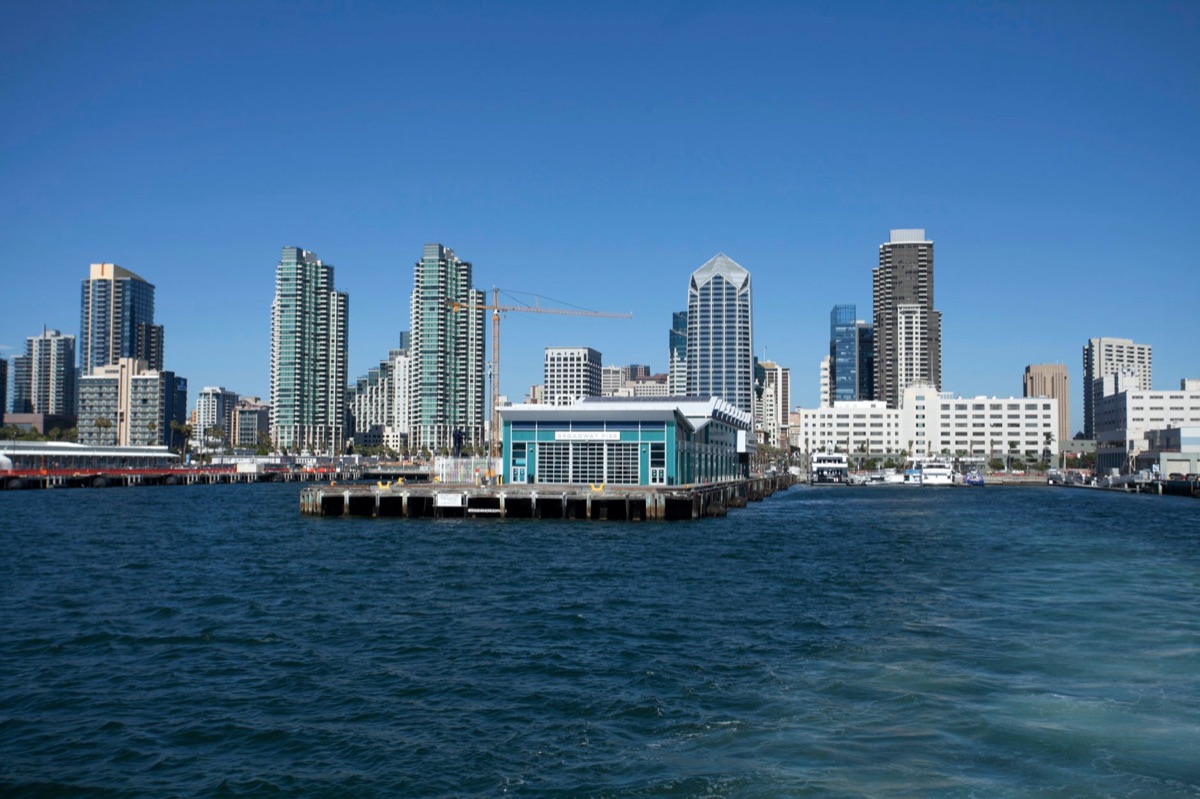
Why Does Summer Feel Like Winter in SF?
Standing at the corner of Market and Powell, the sun might be hitting your face with surprising warmth, only for a sudden gust of wind to turn the air icy ten minutes later.
You look around and see people in heavy fleece jackets walking past tourists in shorts, and that is the reality of the Bay Area.
The primary reason for this confusion is the coastal temperature. Sea surface temperatures along the coast are generally 52–58 °F (11–14 °C) year-round. This cold water chills the air directly above it, creating a heavy, cool atmosphere that the city breathes.
While the inland areas of the state might be sweltering, the coastal breeze keeps the city in a perpetual state of "cool."
To survive this, you need a specific layering protocol. Do not rely on a single heavy coat; instead, use a three-step system: 1. The Base Layer: A lightweight, breathable t-shirt or long-sleeve shirt. 2. The Mid-Layer: A sweater, fleece, or light down vest that can be easily removed. 3.
The Outer Shell: A windbreaker or a medium-weight jacket that blocks the damp coastal breeze.
As the sun sets or the fog rolls in, the temperature drop can be sudden and sharp. Having that outer shell is the difference between an enjoyable evening at Fisherman's Wharf and a miserable, shivering walk back to your hotel. But how do you time your sightseeing around these shifts?
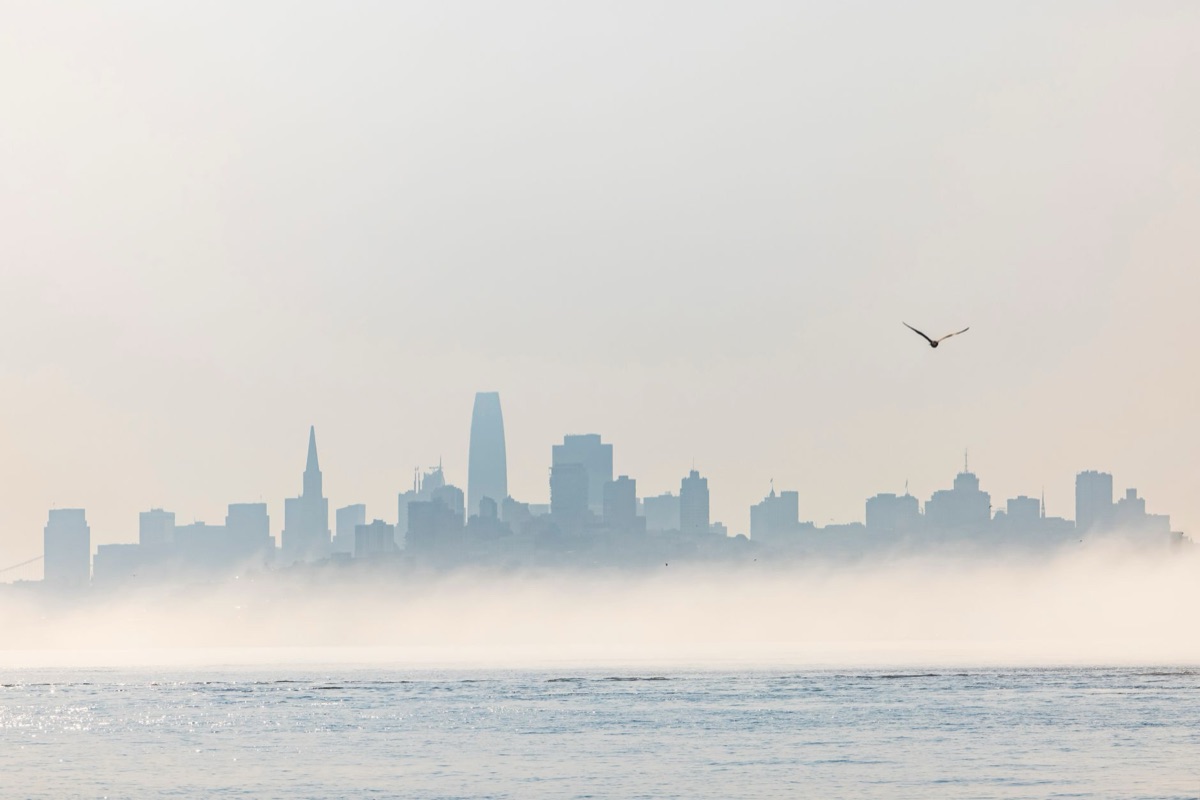
How do I navigate SF's fog for the perfect shot? Walking toward the Ferry Building at 10:00 AM, the sky might be a brilliant, clear blue, giving you the illusion that the fog is a thing of the past.
But by late afternoon, you might see a thick, white wall of mist creeping over the Twin Peaks, signaling that the "Karl the fog" has arrived to reclaim the streets.
The movement of the marine layer is somewhat predictable but remains the most significant factor in your daily planning. Typically, the fog may clear during the late morning as the sun warms the land, but it often rolls back in aggressively toward dusk.
This creates a natural cycle where the best visibility often occurs in the late morning or early afternoon.
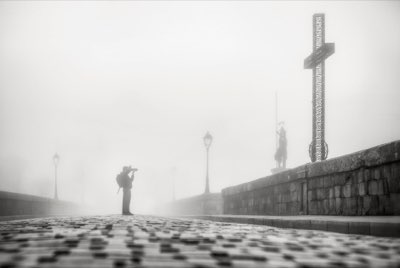
When planning your sightseeing, match your activities to these windows. If you want that iconic, unobstructed view of the Golden Gate Bridge, aim for the midday window when the sun is highest. If you prefer the moody, cinematic atmosphere of the city, the foggy late afternoon is perfect.
Just ensure that your "moody" outfit includes enough warmth to handle the dampness that comes with the mist. However, once the fog clears, you might find yourself facing a different set of urban challenges.
How can I stay safe while exploring beyond the tourist spots? Walking through the crowded streets of Pier 39, you might feel the excitement of the crowds, but you must also maintain a sharp sense of situational awareness. The density of people means that while the atmosphere is lively, it also provides cover for opportunistic crime.
According to World Bank data, the United States recorded international tourist arrivals of 45,037,000 in 2020.
Vehicle security is the most critical rule for anyone renting a car. Never, under any circumstance, leave a bag, a jacket, or even a charging cable visible in your car. Even if you are only stepping into a cafe for five minutes, a car left with visible items is a target for break-ins.
If you have significant luggage, do not leave it in a parked car at a scenic lookout; take it with you or leave it at your hotel.
For those walking the streets, be mindful of pickpockets in high-traffic areas like Union Square or the Embarcadero. Keep your valuables in front of you and avoid using your phone near the edge of the sidewalk where it can be easily snatched.
When using public transit like Muni or BART, stay aware of your surroundings and keep your bag close to your body. While staying safe is vital, understanding the temperature shifts is equally important for your comfort.
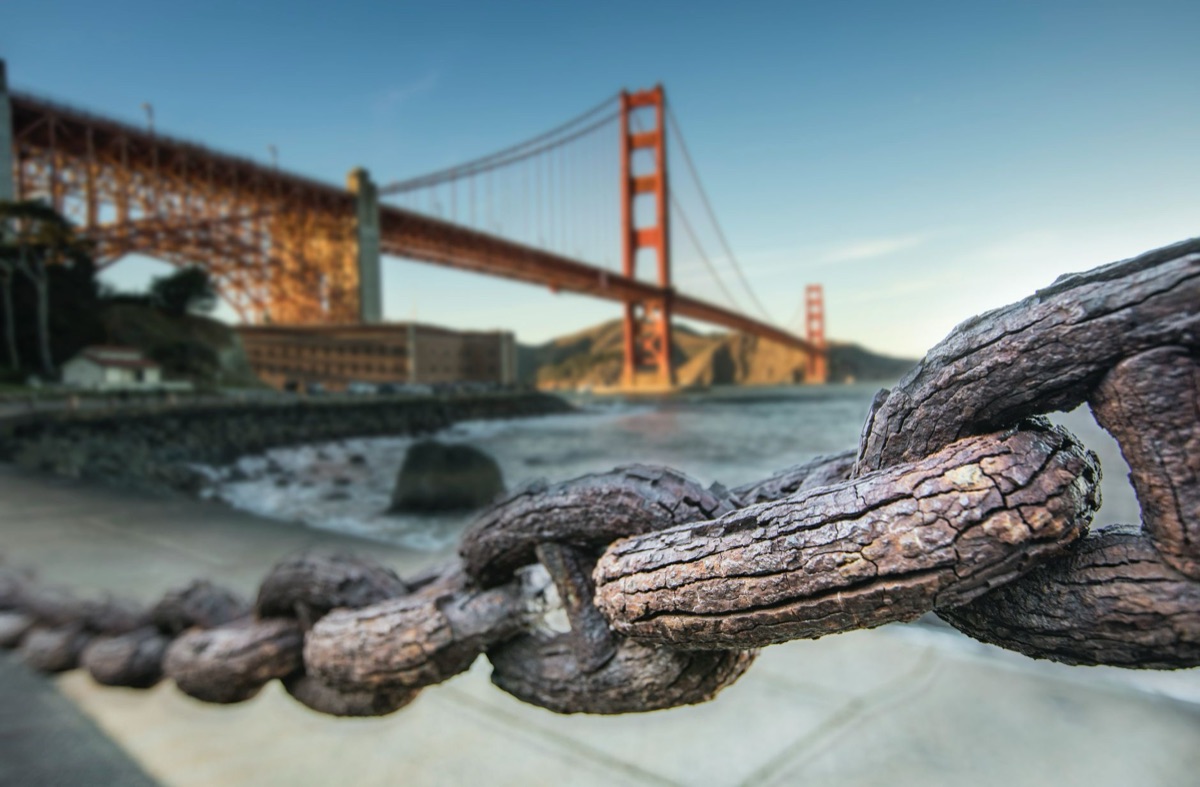
San Francisco's Microclimates: A Quick Reference
Walking from the sunny streets of the Mission District toward the foggy heights of Nob Hill, you will experience two entirely different worlds. One feels like a Mediterranean summer, while the other feels like a brisk autumn morning.
The contrast between coastal and inland temperatures is the defining characteristic of the region. While the coast remains cool due to the sea temperature, inland temperatures can soar above 100 °F (38 °C) during the summer months.
This means that a trip to Napa or Sonoma will require a completely different wardrobe than a day spent at the Palace of Fine Arts.
Historically, the fog patterns have shifted. Research published in 2010 showed that summertime fog in California decreased by 33% from 1950 to 2010. However, the coastal chill remains a constant.
Regardless of the fog's density, the baseline temperature remains relatively stable, with the dry period of May to October being mild to warm, and the lowest monthly mean temperature usually hitting around 51.3 °F (10.7 °C) in January.
| Feature | Coastal Areas (e.g., Fisherman's Wharf) | Inland Areas (e.g., Walnut Creek/Napa) |
|---|---|---|
| Typical Temperature | 55°F – 65°F | 75°F – 100°F+ |
| Primary Weather Driver | Sea breeze and fog | Direct sunlight and heat |
| Clothing Need | Windbreakers and layers | Light, breathable summer wear |
| Best Time for Views | Midday (to avoid heavy fog) | Late afternoon |
When I first visited, I wore a light linen shirt and was absolutely stunned when the temperature plummeted by 15 degrees during a quick walk through Dolores Park. It taught me that the thermometer is only half the story.
Planning Your Perfect SF Combo: Itinerary Flow
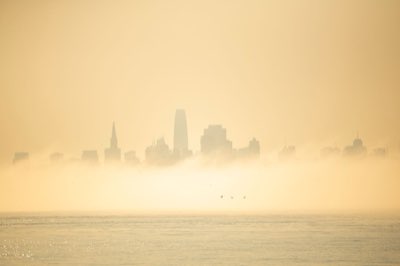
Sitting in a cafe in Sausalito, looking back at the skyline through the mist, you realize that the best way to experience the city is through a carefully sequenced itinerary. You cannot treat San Francisco like a static destination; you must treat it like a moving target.
A successful itinerary balances the "city combo" with the natural environment. To make the most of your time, follow this preparation checklist:
- Morning Preparation: Check the local marine layer forecast. If the fog is thick, plan coastal activities for the midday window when visibility is highest.
- Layer Management: Dress in three distinct layers. When the sun hits, shed the outer shell; when the wind picks up, put it back on immediately.
- Transit Strategy: Group your activities by neighborhood. Avoid traveling between the cold coast and the warm inland areas too frequently in a single afternoon to minimize wardrobe changes.
- Evening Readiness: Always have a medium-weight jacket in your bag for after-sunset activities, regardless of how warm the afternoon felt.
When deciding between a dedicated day tour (like a winery tour in Napa) and a city-based itinerary, consider the temperature. If you are heading to the wine country, you can leave the heavy coats behind, but always bring a light layer for the evening.
If you are staying within the city limits, your layers should be your constant companion.
#

Comments 0