San Quentin: Tracing California's Penal System Since 1852
"History isn't always found in museums; sometimes, it is found behind heavy iron gates and thick concrete walls."
Exploring the dark corners of the past provides a perspective that no sunny pier or coastal hike can offer. While most visitors flock to the Golden Gate Bridge, those seeking a deeper, more somber understanding of California's development often look toward the northern edge of the Bay.
KEY TAKEAWAYS * San Quentin’s founding is deeply intertwined with the rapid, often lawless growth of the California Gold Rush era. * The facility serves as a living timeline of the evolution of the American penal system and judicial philosophy.
* Visiting the site offers a heavy but essential look at the social and legal history of the West Coast.
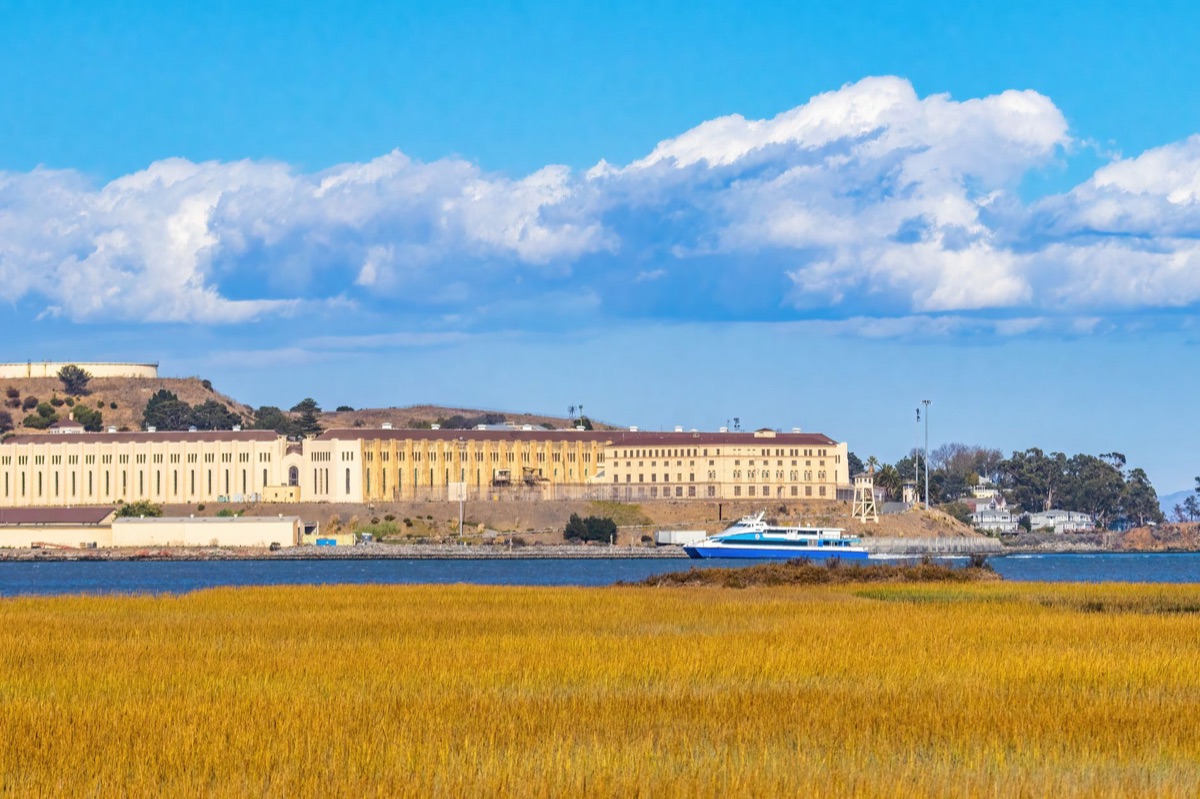
Why Was San Quentin Established?
The morning fog rolls thick over the San Francisco Bay, obscuring the Richmond-San Rafael Bridge and casting a gray shroud over the Marin County coastline. Standing near the gates, the air feels heavy, not just from the humidity, but from the weight of a century of confinement.
According to World Bank, the United States recorded international tourist arrivals of 45,037,000 in 2020.
In the mid-19th century, as the Gold Rush brought a surge of people to the West, the legal infrastructure of California struggled to keep pace with the sudden influx of settlers and the chaos that followed.
The state needed a centralized, high-capacity facility to manage the growing number of inmates. San Quentin was established in 1852 to meet this urgent need, functioning as a primary hub for the state's correctional efforts during a period of rapid expansion.
Early penal philosophy was vastly different from the rehabilitative or modern administrative goals seen today. In the 1850s, the focus was primarily on retribution and isolation.
The prison was designed to be a place of hard labor and strict discipline, reflecting a society that viewed incarceration as a means of removal rather than reform. This era of "frontier justice" laid the groundwork for the facility's long-standing presence in the region.
As the state grew, the mandates of the prison shifted from mere containment to more complex management of a diverse population. The transition from a frontier outpost to a major state institution mirrors the transition of California itself from a wild territory to a structured state.
But the physical walls tell a much more complicated story than the history books.

How Does the Architecture Reflect Its Purpose?
Walking through the perimeter, the sheer scale of the concrete and steel becomes apparent against the natural backdrop of the Marin hills. The architecture is a patchwork of eras, where old-world masonry meets modern reinforced structures.
The facility's layout is designed around the concept of maximum control. It features a mix of cell blocks, exercise yards, and administrative wings that have been expanded and rebuilt over decades.
The older sections of the prison often reflect the Victorian-era influence of the mid-1800s, with heavy, imposing gates and narrow corridors that emphasize the gravity of the environment.
As the facility expanded to accommodate larger populations, newer architectural styles were introduced. These modern additions focus on durability and surveillance, utilizing reinforced concrete and specialized security layouts that differ significantly from the original 19th-century designs.
The contrast between the historic cell blocks and the modern housing units tells the story of a facility that has had to evolve to meet changing security technologies and capacity requirements.
The physical structure is not just about housing people; it is an architectural manifestation of the state's power. The layout is designed to funnel movement and maintain visibility, a constant reminder of the facility's primary function.
However, understanding the walls is only the first step toward understanding the law.
What is the Real Role in California's Legal History?
A quiet breeze sweeps through the yard, carrying the much-needed scent of salt water from the nearby bay. It is easy to forget that the laws being debated in Sacramento today were often shaped by the precedents set in places like this over a hundred years ago.
San Quentin has been a central figure in the evolution of the California justice system. Throughout the 20th century, the prison faced various eras of reform, where the focus shifted between punitive measures and attempts at prisoner rehabilitation.
It has been the site of significant legal challenges that have influenced how inmates' rights are handled throughout the state.
During the early 1900s, the operational standards were often harsh and lacked the oversight that modern legal frameworks provide. However, as the legal system matured, the prison became a focal point for debates regarding sentencing, overcrowding, and the ethics of incarceration.
These shifts in policy reflect the broader American struggle to balance public safety with the rights of the individual.
The prison serves as a historical record of how California's views on crime and punishment have changed. From the era of hard labor to the modern era of complex correctional management, the facility has been a constant, albeit controversial, presence in the state's legal landscape.
But how do you actually navigate a visit to such a place?

How Do You Handle a Visit?
The atmosphere changes when you approach the visitor center, where the presence of security is palpable and the rules are absolute. There is no room for casual error when visiting an active correctional facility.
Touring the site is not a casual sightseeing excursion. Because San Quentin remains an active state prison, protocols are extremely strict. Visitors must undergo security screenings, and any guided tours are strictly regulated by the administration.
When I first approached the gates for a historical survey, the sheer weight of the security protocols was sobering. It is not a place for casual curiosity.
To ensure a safe and respectful visit, follow these essential steps:
- Verify the current status of the facility via official state channels before planning any travel.
- Secure all necessary permits or tour bookings at least 4 to 6 weeks in advance.
- Present valid, government-issued identification at the primary security checkpoint.
- Adhere strictly to the provided itinerary, as certain zones are strictly off-limits.
- Follow all directions from security personnel without delay or question.
It is important to distinguish between visiting a historical landmark and visiting an active facility. While the history is profound, the primary mission of the site is security and operations.
Tours are often limited in scope, and certain areas of the prison remain strictly off-limits to the public to ensure the safety of both staff and visitors.
For those interested in visiting, it is essential to check official schedules and booking procedures in advance. Group tours or specialized historical tours must be arranged through official channels, and adherence to all staff directions is mandatory.
This brings us to the most common point of confusion for travelers.
San Quentin vs. Alcatraz: What is the Real Difference?
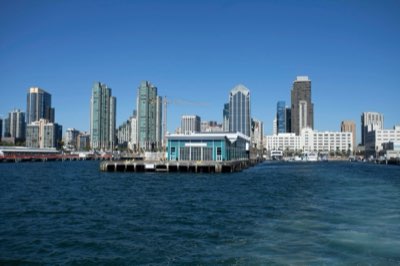
Looking toward the San Francisco skyline in the distance, the geographical relationship between the city and its neighboring islands becomes clear. The water that separates the city from its history is both a barrier and a bridge.
While both San Quentin and Alcatraz are iconic names in the history of American incarceration, they served different roles. Alcatraz, located on an island in the middle of the bay, was primarily known as a federal penitentiary for the most "incorrigible" criminals.
Its isolation was its primary security feature. San Quentin, located in Marin County, served as a state-level institution with a much larger and more diverse population.
The proximity to San Francisco makes both sites accessible, but their settings differ. Alcatraz is defined by its total isolation from the mainland, whereas Sanqentin is integrated into the coastal landscape of Marin County.
While Alcatraz became a symbol of the "end of the line," San Quentin represents the ongoing, evolving reality of the state's penal system.
| Feature | San Quentin | Alcatraz |
|---|---|---|
| Jurisdiction | State of California | Federal (Historically) |
| Primary Setting | Marin County Mainland | Island in the Bay |
| Primary Purpose | State-level incarceration | High-security federal prison |
| Status | Active State Prison | National Park / Museum |







Comments 0