Yosemite Guide: Plan Your Perfect Trip in 50-60 Chars
"The mountains do not care about your schedule, but they will certainly test your preparation."
Plan your visit with precision to ensure the granite peaks of the Sierra Nevada inspire rather than exhaust you. Whether you are driving up from the Bay Area or flying into a nearby hub, the logistics of the wilderness require a different mindset than city life.
* Choose between a concentrated day trip and a multi-day immersion based on your energy and time. * Prioritize the Yosemite Valley floor for iconic views and the higher peaks for challenging treks. * Pack versatile layers and reliable gear to handle unpredictable mountain weather and altitude. * Use the park shuttle and early arrival times to manage parking and transit logistics.
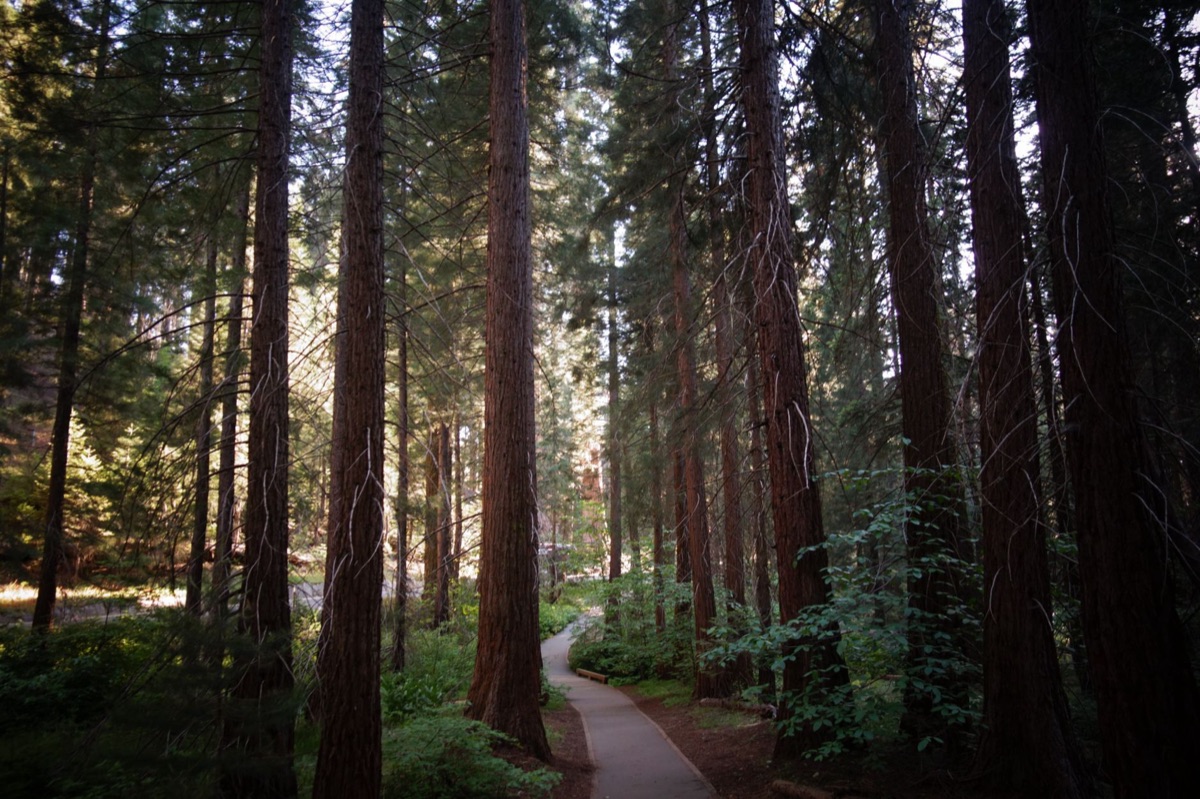
How to Choose Your Ideal Yosemite Itinerary
The sun hasn't even crested over the granite peaks when the alarm goes off in a quiet hotel room in Mariposa at 5:00 AM. You lace up your boots, double-check your water bladder, and stare at a map, deciding whether to rush back to the city or stay deep in the wilderness.
Choosing between a whirlwind day trip and a multi-day immersion is the first major decision every traveler makes. If you are looking at a single-day itinerary, your focus must remain on the Yosemite Valley floor.
This allows you to hit high-impact landmarks like El Capitan and Bridalveil Fall without spending your entire day behind a steering wheel.
A day trip is perfect for those who want a concentrated dose of granite and greenery, but you must account for the 4-hour drive from the Bay Area, which can eat into your hiking time. For those seeking a deeper connection to the Sierra Nevada, a multi-day immersion is almost mandatory.
Staying overnight allows you to tackle strenuous climbs, such as the trek to Glacier Point or the Mist Trail, which are often too taxing to squeeze into a single day.
When planning a longer stay, remember to plan for gear rotation; you will need different layers for chilly 40-degree mornings and warm 85-degree afternoons.
A typical successful flow follows a logical sequence: Drive In → Hit Major Viewpoints → Execute Primary Hike → Drive Out.
But choosing the time is only the beginning; the terrain itself presents a different set of challenges.
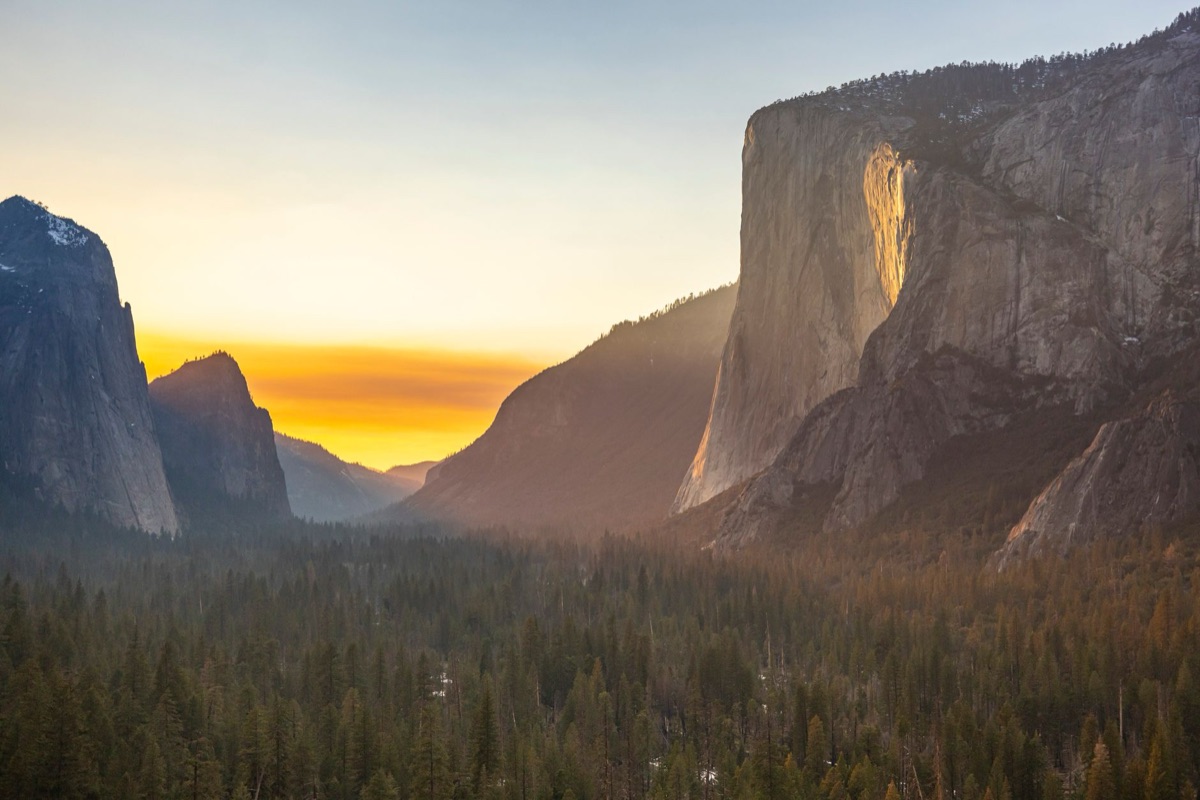
Where are the best trails and views in the park? You stand at the edge of El Capitan Meadow at noon, looking up at a sheer wall of granite that seems to touch the sky, feeling incredibly small against the scale of nature.
The park is a collection of distinct landscapes, and matching your energy to the right destination is key. The Yosemite Valley is the heart of the park, offering iconic views of El Capitan and Half Dome.
If you want the classic "postcard" experience, stick to the valley floor access points where paved paths lead to breathtaking vistas. For those who want to rise above the valley, Glacier Point offers a bird's-eye view that makes the massive granite monoliths look like models.
Trail planning requires matching your physical ability to the time available. If you only have 2 hours, stick to short walks like the Lower Yosemite Fall loop. If you are looking for a challenge, prepare for strenuous climbs that require significant elevation gain.
Always identify your turnaround points before you start walking. Seasonal changes also dictate accessibility; spring brings rushing waterfalls from the snowmelt, while late autumn might see higher trails covered in snow or much drier creek beds.
When you step onto a trail, the logistics of your gear become just as important as the view.
How do I get to Yosemite and prepare for my trip? The car is packed, the trunk is heavy with 30 pounds of supplies, and as you pull out of the driveway at 6:00 AM, you realize the temperature has dropped ten degrees in just thirty minutes.
Getting into the park requires more than just a full tank of gas. Depending on the season, you may need to navigate reservation systems or deal with intense parking realities. During peak summer months in 2025 and 2026, parking lots in the Valley can fill up by 9:00 AM.
If you arrive late, you might find yourself circling for an hour or being forced to use park shuttles.
Weather preparedness is perhaps the most critical factor for survival and comfort. The Sierra Nevada is unpredictable, and you must pack for extreme temperature swings. Even in the height of summer, mornings can be freezing, while midday sun can be punishing. Layers are your best friend.
Additionally, always carry a reliable water supply and high-calorie snacks. A common mistake is underestimating the physical toll of the altitude and the dry mountain air.
When I first attempted a long trek in the valley, I learned the hard way that a single light jacket was not enough for the sudden afternoon shifts.
To avoid being caught off guard, follow this preparation checklist:
- Verify Access: Check the official park website for current reservation requirements and road closures before leaving.
- Pack Layers: Include a moisture-wicking base layer, a mid-weight fleece, and a waterproof outer shell.
- Hydrate and Fuel: Carry at least 2 liters of water and enough high-calorie snacks to cover an extra 3 hours of walking.
- Plan the Route: Download offline maps and physically mark your intended turnaround time on your watch.
- Check the Vehicle: Ensure your car has a full spare tire and enough fuel to reach the nearest station in the foothills.
Once you have the gear and the route, you have to think about how this fits into the rest of your California journey.
Beyond the Valley: Pairing Yosemite with the Bay Area Experience
You sit at a small table in a coastal cafe in Monterey, looking at photos of granite peaks on your phone while the salty breeze from the Pacific hits your face. In a 2018 study by the Jewish Community Federation of San Francisco, it was noted that Jews make up 10% of the city's population.
According to World Bank data, the United States recorded 45,037,000 international tourist arrivals in 2020.
Traveling from the urban sprawl of San Francisco to the rugged heights of Yosemite is a massive transition. While the city is compact—often referred to by locals as a "seven-by-seven-mile square"—the scale of the journey to the Sierra Nevada is entirely different.
This transition highlights the vastness of California, where you can move from a coastal metropolis to high-alpine wilderness in a single afternoon.
To maximize your trip, consider pairing your Yosemite visit with other regional highlights. If you are doing a shorter trip, you might combine a weekend in the mountains with a visit to Monterey or a drive through 17-Mile Drive. This creates a balanced itinerary of nature and coastal charm.
When calculating your travel flow, remember that the drive from San Francisco to the Yosemite gateway is a significant portion of the trip.
Using the journey itself as part of the experience—watching the landscape shift from coastal hills to golden foothills to granite peaks—is the best way to manage the travel fatigue.
| Trip Type | Typical Duration | Primary Focus | Best For |
|---|---|---|---|
| Day Trip | 10-12 Hours | Valley Floor & Iconic Vistas | Quick escapes / Limited time |
| Weekend Trip | 2-3 Days | Major Hikes & Scenic Drives | Nature lovers / Moderate activity |
| Full Immersion | 5+ Days | Wilderness Trekking & High Peaks | Serious hikers / Photography |








Comments 0