Regional transit guide: 131 miles Early Bird Express how
"The rhythm of the Bay Area is often defined by the movement between its hills and its water, where transit lines weave through a complex landscape of commuters and travelers."
Navigating the Bay Area requires understanding a multi-layered network of trains, buses, and regional rail. This guide provides essential details on BART operations, regional connections, and fare structures to ensure smooth travel.

Key takeaways: * BART operates 131 miles of track with 50 stations across six primary routes. * Regional transit includes connections like the Oakland Airport Connector and Early Bird Express buses. * Fare structures involve distance-based pricing and specific discounts for youth or seniors.
How does the BART network function?
At dusk, the traveler grips the cold metal railing at the station while watching the regional train surge through the tunnel.
A commuter stands on a crowded platform, watching the headlights of an approaching train cut through the tunnel darkness. The system manages a vast expanse of tracks and stations to connect the diverse regions of the Bay.
BART serves 50 stations along six routes and 131 miles of track. This includes the eBART spur line to Antioch and the Oakland Airport Connector, which is a 3-mile automated guideway serving the Oakland San Francisco Bay Airport.
The Oakland Airport Connector runs on demand, typically on headways of 10 minutes or less.
The network provides a foundation for regional movement. The system maintains a high volume of activity, with 55,483,900 annual passenger trips recorded in 2025.
However, service may be limited during planned maintenance windows or emergency outages.
What are the typical train schedules? City transit guide
A passenger checks their watch at a quiet station, wondering when the next train will arrive to take them home. Timing is a critical factor when planning a journey through the various transit corridors.
Trains on each primary service run every 20 minutes. The busy Yellow Line differs from the rest, operating every 10 minutes on weekdays. While there were intentions in 2007 to improve non-peak headways to 15 minutes, budgetary problems in 2009 returned off-peak headways to 20 minutes.
Reliability helps passengers plan their daily lives. The system handles an average of 204,800 weekday passenger trips as of the second quarter of 2026.
- Check the real-time arrival board at your station.
- Compare the current time with the scheduled frequency.
- Plan your departure based on the next available train.
How do I handle fares and Clipper cards?
A rider taps a plastic card against a sensor at a fare gate, hearing a distinct beep that signals entry. Understanding the cost of travel is essential for managing a transit budget.
BART uses distance-based fares, requiring riders to use fare gates to both enter and exit. A flat fare of $2.15 applies to trips under 6 miles. Before August 20, 2025, entering and exiting at the same station within 30 minutes incurred an "excursion fare" of $6.40.
| Fare Type | Discount or Condition |
|---|---|
| Youth (Ages 5–18) | 50% discount |
| Seniors and Disabled | 62.5% discount |
The only discount provided to the general public is a 6.25% reduction when "high value tickets" are purchased with fare values of $48 and $64 on Clipper cards with autoload. I noticed that children age 4 and under ride free.
I find that the third step regarding card reloading is the most critical for avoiding delays.
How can I connect to other transit lines?
A traveler looks up at a transit map, tracing a line from a central hub to a distant suburb. Connecting different modes of transport is a frequent necessity for long-distance travel.
Early Bird Express buses are operated by local transit agencies, including AC Transit, Golden Gate Transit, Muni, and SamTrans. These buses run between a limited number of major BART stations on San Francisco/Peninsula and Transbay routes. All these routes meet at the Salesforce Transit Center.
Regional integration allows for wider travel. By 2019, the Capitol Corridor Joint Powers Authority (CCJPA) had joined with BART to study a multi-modal crossing. This study could allow Capitol Corridor and San Joaquins routes to serve San Francisco directly.
This information does not apply to direct transfers that require a separate fare structure.
What are the rules for regional expansion?
An engineer reviews blueprints for new track segments designed to reach growing communities. The history of the network is marked by efforts to expand reach and accommodate increasing populations.
In 2012, the California Transportation Commission announced they would provide funding for expanding BART facilities through the Santa Clara Valley Transportation Authority. This was done in anticipation of the opening of the Silicon Valley Berryessa Extension.
Expansion involves complex local considerations. Although Marin originally voted in favor of BART participation at the 88% level, the BART board was concerned that the county's marginal tax base could not adequately absorb its share of the projected cost.
These guidelines do not apply to temporary service extensions or pilot programs.
The subject here is City transit guide.
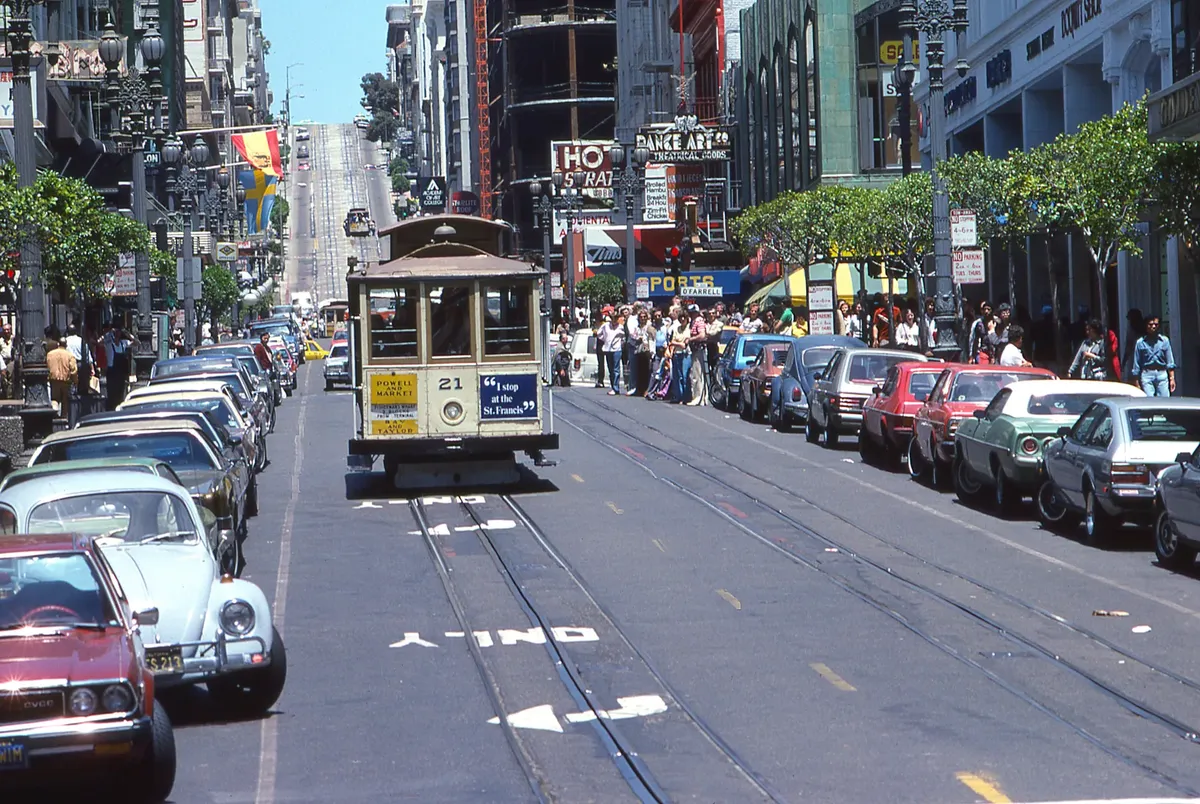
The same subject is also called Cable car routes map.
The same subject is also called How to ride transit.
The same subject is also called Muni BART clipper.
The same subject is also called Hill parking rules.
This part also covers Seasonal travel tips.
This part also covers Best city tours.
Seasonal travel tips
Related
- San Francisco July outfit tips: Layer for coastal breezes
- San Quentin prison history: Why it is a landmark
How does the rhythm of the Bay Area influence transit use?
The movement between the hills and the water shapes the daily patterns of ridership across the Area. This constant flow of commuters reflects the diverse needs of the ridership. The transit lines weave through this complex landscape, accommodating varied travel patterns.
The transit lines serve as the physical manifestation of the Area's dynamic character. They manage the movement of individuals across varied topography. This movement is essential to the modern rhythm of the Bay Area.
Understanding this interplay between geography and transit is key to appreciating the system's scale. The ridership patterns are a direct result of the physical setting. This constant movement defines the modern rhythm of the Bay Area.
The effectiveness of these patterns is limited during major holidays or special events.
Wikipedia: Bay Area Rapid Transit Based on the retained excerpt mentioning Capitol Corridor Joint Powers Authority: By 2019, the Capitol Corridor Joint Powers Authority (CCJPA) had joined with BART to study a multi-modal crossing, which could also allow Capitol Corridor and San Joaquins routes to serve San Francisco directly.




Comments 0