San Francisco July outfit tips: Layer for coastal breezes
"The city often feels like it has multiple seasons occurring simultaneously, making a single outfit choice a gamble."
To prepare, prioritize light layers, a reliable jacket, and comfortable walking shoes.
* Include a medium-weight jacket for cooler coastal breezes. * Plan for high-heat scenarios as seen in historical summer records.
How to dress for SF July?
As the sun rises over the hills of francisco, I pull a light sweater over my shoulders to ward off the morning chill.

The unpredictable nature of the local climate makes San Francisco July outfit tips centered on flexibility essential for comfort.
According to a 2018 study by the Jewish Community Federation of San Francisco, Jews make up 10% (80,000) of the city's population, making Judaism the second-largest religion in San Francisco after Christianity.
The city experienced a high of 105 °F (41 °C) on July 17, 1988, according to official records. While such extremes are rare, they highlight the need to prepare for heat alongside typical coastal coolness. A versatile wardrobe allows you to transition from sun to shade without discomfort.
However, this advice may not apply if you are attending a formal indoor event. I will start by discussing the basic wardrobe requirements.
Why is layering for SF summer necessary? San Francisco July outfit tips
Walking through the windy pier in francisco at dusk, I shiver and quickly zip up my heavy jacket against the biting breeze.
Standing on a windy pier, a visitor might feel the sudden chill of the Pacific Ocean cutting through a light shirt. This phenomenon makes layering for SF summer the most practical strategy for any traveler.
Because temperatures can fluctuate significantly, a base layer paired with a removable outer shell is ideal. You might start the morning in a light sweater and end the afternoon in a t-shirt. This adaptability ensures you are never too hot or too cold while exploring the hills.

This strategy is less effective if you rely solely on heavy single-layer garments. I will explain why this approach is essential in the following paragraph.
What should be included in San Francisco July packing?
Opening a suitcase in a hotel room, one realizes that a mix of seasonal items is required for a successful trip. A complete San Francisco July packing list should balance warmth and breathability.
| Item Type | Purpose |
|---|---|
| Light Base Layers | To manage warmth during sunny periods |
| Heavier Jackets | To protect against sudden temperature drops |
I once packed a heavy coat for a morning walk only to find myself needing to shed it by noon. Using a combination of light and medium weights ensures you are ready for any situation.
This list does not account for specialized gear needed for heavy hiking. I will outline the essential items in this section.
How to manage SF summer vs winter style?
Walking from a sunny street into a shaded alleyway can feel like moving between two different seasons. Understanding the difference between SF summer vs winter style helps in choosing the right fabrics.
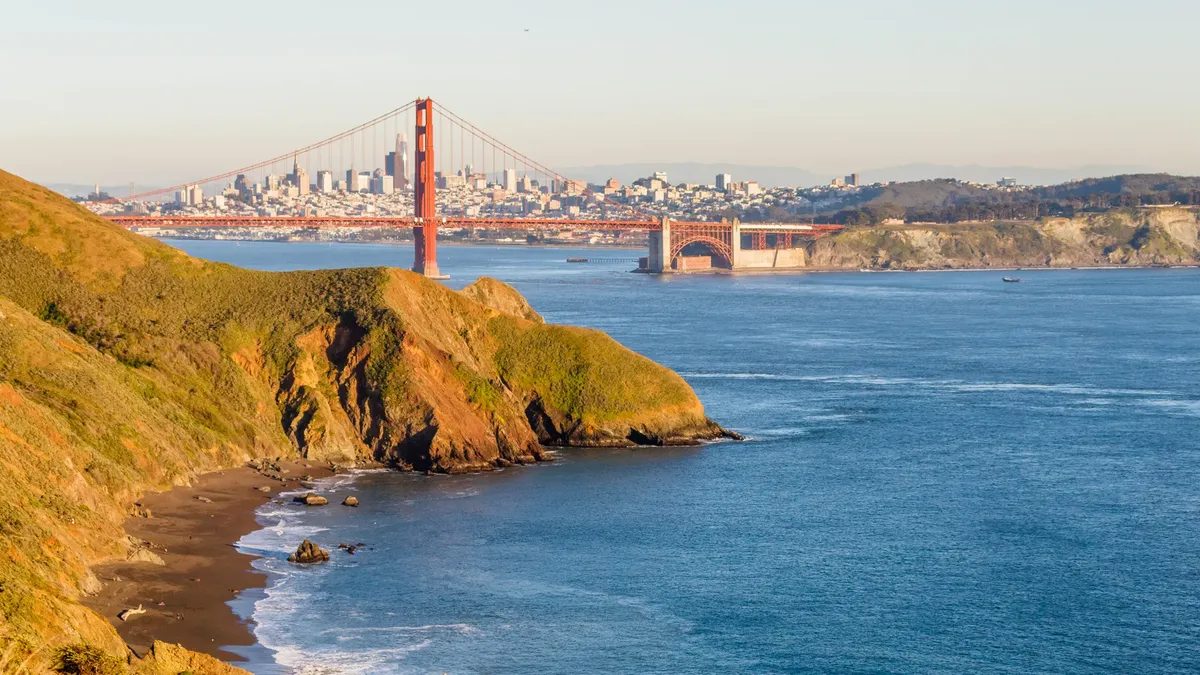
While it is summer, the lack of consistent heat means you cannot rely on thin, single-layer clothing. Most travelers find that treating the summer like a mild autumn provides the best coverage.
These tips are not intended for those traveling with minimal luggage. I will address the transition between seasons here.
What are the steps for effective layering?
Stepping outside into the morning mist, a traveler prepares to head out for a full day of sightseeing. Following a specific routine helps maintain comfort throughout the day.
- Select a moisture-wicking base layer to handle potential heat. 2. Add a mid-layer, such as a fleece or cardigan, for cooler moments. 3. Keep a windbreaker or light jacket accessible for coastal breezes.
After selecting these items, check the local forecast to decide if a heavier jacket is necessary for the evening.
This method might be cumbersome if you are constantly moving between extreme environments. I will detail the specific steps below.
When does the heat become a factor?
Stepping out of a cool building into the direct afternoon sun, a visitor might feel a sudden surge of warmth. While much of the time is cool, heat management remains a part of the strategy.
Temperatures exceeding 90 °F (32 °C) occur on an average of 4.0 days annually. Although these days are infrequent, having breathable clothing available is a wise precaution for summer visitors.

This does not apply to the cooler coastal areas where temperatures remain constant. I will clarify the timing of temperature shifts in this part.
- Effective San Francisco July outfit tips require a versatile approach to handle shifting temperatures and coastal breezes.
- Key takeaways:
- * Prioritize layering to manage sudden temperature shifts.
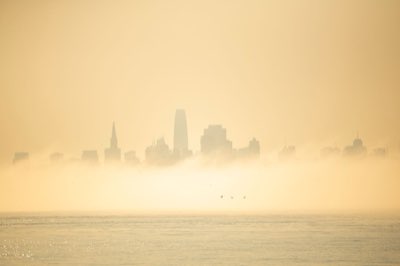
- Walking through the fog-covered streets of the Sunset District, a traveler might suddenly find themselves shivering despite the summer month.
The same subject is also called July weather in SF.
The same subject is also called SF summer clothing guide.
This part also covers San Francisco July weather.
Related
- San Quentin prison history: Why it is a landmark
- San Quentin: Tracing California's Penal System Since 1852
How to handle sudden temperature shifts?
Managing sudden temperature shifts requires a strategy that balances warmth and breathability. Because the city often experiences multiple seasons at once, you must be prepared to adjust your clothing throughout the day.
- Start with a light base layer to manage heat during sunny periods. 2. Add a medium-weight jacket or cardigan to protect against sudden temperature drops. 3. Carry a windbreaker to handle cooler coastal breezes.
If you encounter the 105 °F (41 °C) extreme recorded in 1988, you will need to shed your layers. Conversely, if the fog brings a chill, you can add a mid-layer to maintain comfort while walking the hills.
Why should you prepare for heat and cold?
Preparing for heat and cold involves balancing breathable base layers with removable outer shells. Because the city often experiences sudden shifts, you must be ready to transition between sunny heat and cool coastal breezes.
- Select a light base layer for sunny periods. 2. Add a medium-weight jacket for sudden temperature drops. 3. Use a windbreaker to manage coastal breezes.
If you encounter extreme heat like the 105 °F (41 °C) recorded in 1988, you should shed your layers. If the fog brings a chill, adding a mid-layer ensures you remain comfortable while walking the hills.
How to balance seasonal extremes?
Balancing seasonal extremes requires a versatile wardrobe that accommodates both high-heat scenarios and typical coastal coolness. You should compare your options to ensure you have both light and medium weights available.
If you are walking through the fog, a medium-weight jacket provides necessary warmth. If you face high temperatures, breathable base layers allow for comfort. This approach ensures you are never too hot or too cold while exploring the city.



Comments 0