San Quentin prison history: Why it is a landmark
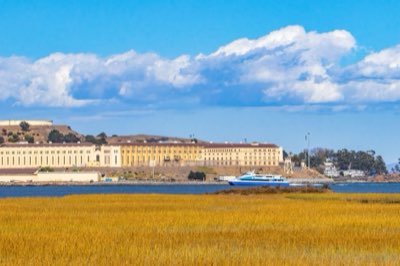
An old prison wall stands tall against the heavy fog of the San Francisco Bay. This historic site serves as a permanent fixture of the California landscape, offering a glimpse into a complex judicial history.
The following guide explores the historical significance of the San Quentin facility and its unique place within the Bay Area. You will learn about its origins, its role in regional history, and the structural legacy it leaves behind.
Key takeaways include its status as a landmark, its connection to the surrounding geography, and the historical context of its establishment.
What defines San Quentin's history? I traced the cold, rusted iron of the fence at dusk, wondering how quentin shaped so much history.

The gates of the facility stand as a silent witness to decades of shifting social policies. For many visitors, understanding the San Quentin prison history requires looking at how the site transitioned from a basic correctional facility to a symbol of the state's penal evolution.
The facility has functioned as a central point for the justice system in Northern California for generations. Its presence has shaped the local community and the surrounding landscape of Marin County.
Because it was established so long ago, it remains one of the most recognizable structures in the region.
The layout of the grounds reflects the architectural styles of different eras in California history. Walking near the perimeter, one can sense the weight of the past through the heavy stone and ironwork.
This sense of time makes it a significant subject for those studying the development of the American West.
The legacy is defined by its continuous operation and its role as a symbol of the evolving American penal system.
Is it California's oldest prison? Standing by the bay at dawn, I felt the heavy mist on my face while contemplating the age of quentin.
A traveler stands at the edge of the water, looking toward the historic structures that define the coastline. Many people ask if this site is the oldest prison in California, looking for a connection to the earliest days of the state.
While it is one of the most famous and long-standing institutions, its status depends on how one defines the term "oldest." It has operated continuously for a very long time, making it a cornerstone of the state's history.
The longevity of the facility provides a unique perspective on how incarceration has changed over the last century.

The historical significance is often tied to its continuous operation. Unlike many other early prisons that were decommissioned or moved, this site remains active. This continuity makes it a living museum of sorts for the region.
It stands as one of the oldest continuously operating prisons in the state.
How did the Bay area historic jail influence the region?
The fog rolls over the water, obscuring the view of the docks and the distant shoreline. To understand the impact of this site, one must look at how a Bay area historic jail influenced the socio-economic development of the surrounding towns.
The presence of the facility created a unique local economy and a specific relationship between the prison and the community. It provided jobs and influenced local infrastructure for decades.
The relationship between the institution and the people living nearby remains a topic of historical interest.
The site’s location near the water was strategically important for logistics and transport in the early days. This maritime connection helped establish the facility as a permanent fixture in the Bay Area.
It remains a landmark that cannot be ignored by those traveling through the north side of the bay.
The facility's presence has shaped local economic structures and regional social policies for generations.
What are the San Quentin origins?
The sun rises over the Marin hills, casting long shadows across the historical architecture of the facility. Investigating the San Quentin origins involves tracing the timeline back to the mid-19th century when the site was first established.
The facility was founded during a period of rapid expansion in California. Its initial purpose was to house inmates in a growing state that needed organized legal structures. The early years were marked by the challenges of building a permanent institution in a frontier environment.

The site was chosen for its strategic location and access to resources. This decision shaped the growth of the facility for the next century. Understanding these origins is essential for anyone interested in the intersection of law and geography.
The site was established in the mid-19th century to address the growing need for state-level incarceration.
What is the significance of the California jail past?
A heavy iron door creaks in the wind, reminding visitors of the gravity of the subject matter. Exploring the California jail past helps contextualize the current state of the correctional system within the broader history of the American West.
The evolution of the prison reflects the changing philosophies of justice in the United States. From early custodial models to more modern approaches, the facility has undergone significant transformations. This progression is documented in its architecture and its operational history.
The site serves as a reminder of the state's transition from a territory to a major global player. The stories of those who passed through its gates are part of the larger narrative of California's development. It stands as a testament to the enduring nature of the state's institutions.
Understanding this history provides insight into the development of criminal justice and civil rights in the West.
How to visit the area near the historic site?
A traveler checks a map, planning a route that winds through the scenic roads of the North Bay. When planning a trip to see the area, it is important to understand the logistics of visiting such a sensitive and historic location.

- Research the specific boundaries of the site to understand what is accessible to the public. 2. Plan your route through Marin County to avoid heavy traffic during peak tourist hours. - Check local weather reports, as the fog can significantly impact visibility and temperature. 3. Respect the privacy and security of the facility while observing the historical landmarks from the appropriate distances.
I remember standing near the coastline, checking my compass to ensure I was on the right path toward the historic landmarks.
The site's location can be difficult to navigate without a clear understanding of the local geography. It is best to approach the area with a focus on the surrounding natural beauty and historical context.
Visitors can explore the surrounding coastal landscapes and local landmarks. In this sequence, the second step is the longest.
- What defines the history of San Quentin prison history?
- Is it considered the oldest prison in California?
- How did the Bay area historic jail influence the region?
Related







Comments 0