Golden Gate Bridge fog photography how to master light
Capturing the Golden Gate Bridge through a thick layer of fog requires mastering light diffusion and timing your arrival to match the movement of the marine layer. This guide helps photographers manage exposure in low-contrast environments and identify the best windows for shooting the bridge during shifting weather conditions.
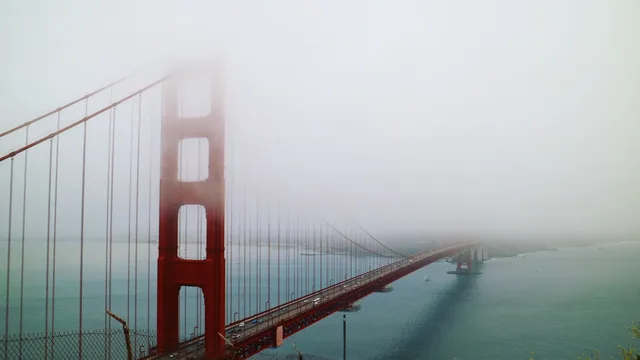
* Use exposure compensation to prevent underexposure in heavy mist. * Monitor local weather patterns to predict fog movement. * Focus on high-contrast elements like the bridge towers to maintain sharpness. * Understand that extreme visibility limitations can occur during heavy fog.
How to master Golden Gate Bridge fog photography?
At dawn, you grip your tripod tightly on the windy cliffs to capture the Golden Gate Bridge fog photography through the swirling mist.
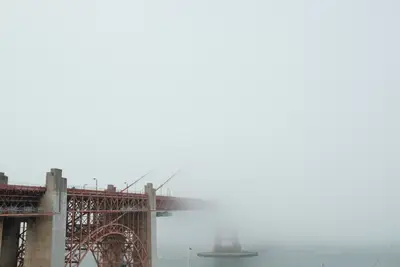
From the windy cliffs of Battery Spencer, you can watch the white mist roll over the orange towers of the Golden Gate Bridge while picking up some foggy bridge photo tips. To succeed in Golden Gate Bridge fog photography, you must adjust your camera settings to compensate for the low light.
The heavy atmosphere often tricks light meters into perceiving the scene as too bright, resulting in underexposed, muddy images. You should use exposure compensation to brighten the image, ensuring the fog looks white rather than gray.
Focusing on the structural details of the bridge helps maintain clarity when the background disappears into nothingness.
- Scout the viewpoint to anticipate how the fog rolls in.
- Set up your tripod for stability in the wind.
- Adjust your exposure settings to compensate for the low contrast.
When is the best time to shoot fog?
As the sun rises over Crissy Field, you feel the damp chill while searching for the perfect golden light.
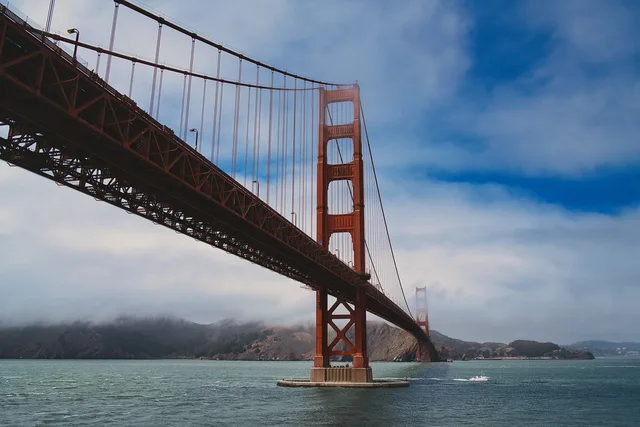
You check your phone for the latest marine layer updates while waiting at Crissy Field as the sun begins to rise. Determining the Golden Gate fog timing depends on the seasonal shifts and daily temperature changes in the Bay Area.
Fog often rolls in during the late afternoon or early evening during the summer months. Many photographers find that the early morning hours provide a more stable, ethereal light before the sun burns through the moisture.
You must observe how the fog interacts with the bridge span to find the perfect moment of partial visibility.
In this sequence, the first step is the most important.
According to World Bank, the 2024 record includes 94.7%.
How can I use photography techniques for fog?
A heavy mist settles over the roadway, turning the massive suspension cables into ghostly silhouettes against a pale sky. Implementing effective fog photography techniques involves managing the soft, diffused light that characterizes these moody San Francisco days.
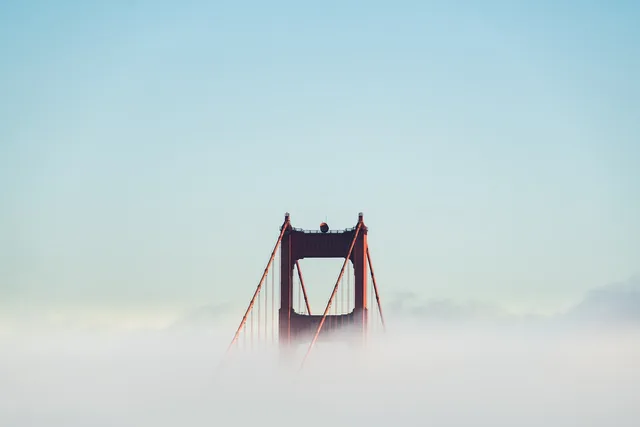
Using a tripod is essential for maintaining stability during long exposures in low light. You can experiment with wide angle fog settings to capture the vastness of the bay, or use a telephoto lens to isolate the bridge's texture through the haze.
Shooting Golden Gate fog requires patience as you wait for the light to hit the mist at just the right angle.
How to manage light during Golden Gate fog?
The sun peeks through a gap in the clouds, casting a sudden, soft glow across the damp pavement of the bridge walkway. Using specific fog lighting techniques allows you to turn a flat, gray scene into a dramatic landscape.
Since the fog acts as a giant softbox, shadows are minimal and light is highly even. You can use this to your advantage by highlighting the vibrant international orange of the bridge against the white backdrop. This contrast creates a striking visual that defines the iconic San Francisco aesthetic.
Can you use a guide for shooting Golden Gate fog?
You pull out a notebook to jot down the specific locations where the fog tends to settle most heavily near the shoreline. Following a structured approach can help you navigate the unpredictable weather.
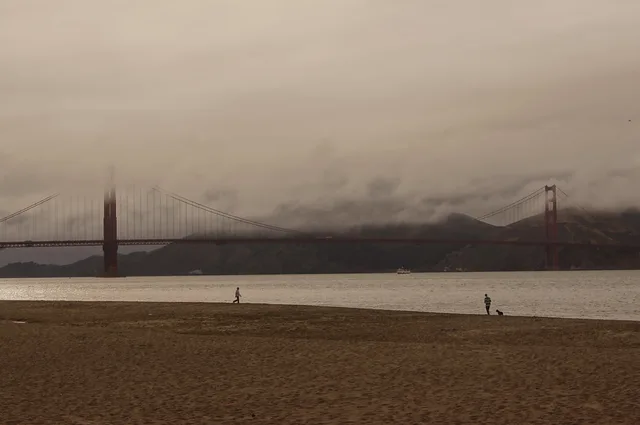
- Monitor local maritime weather reports to predict the arrival of the marine layer. 2. Select a vantage point like Marshall's Beach or Hawk Hill that offers different perspectives on the fog. 3. Set your camera to manual mode to maintain consistent exposure as the fog density changes.
Perform a final check of your lens for moisture or condensation, as the high humidity can quickly blur your view.
Is there a limitation to these methods?
The heavy mist rolls in so thick that the towers are completely obscured from view. A major limitation is that extreme weather conditions can lead to zero visibility, where the bridge is entirely hidden by the fog.
Which vantage points offer the best views?
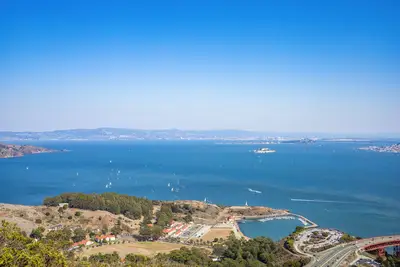
Marshall's Beach and Hawk Hill provide different perspectives on the fog as it interacts with the bridge. Choosing between these locations depends on whether you want to capture the vastness of the bay or focus on the bridge's texture through the haze.
Comparing these spots allows you to select a vantage point that matches your desired composition. While wide angle settings work well for the bay, a telephoto lens helps isolate specific structural details when the mist is thick.
You must decide if you want to capture the entire scene or specific elements like the towers.
How do weather conditions affect your gear?
High humidity near the shoreline can cause moisture or condensation to settle on your lens. This condition can quickly blur your view and requires a final check of your equipment before you begin capturing images.
Monitoring the marine layer helps you prepare for these shifts in visibility. If the fog becomes too heavy, the bridge may disappear entirely, which serves as a caution for photographers seeking the best time for fog shots that rely on specific structural details.
You should always be ready for extreme visibility limitations during heavy fog.
How does fog density affect your composition?
Fog density dictates whether you should use a wide angle lens or a telephoto lens to capture the scene. If the mist is light, wide angle settings allow you to capture the vastness of the bay.
If the fog is thick, a telephoto lens helps you isolate the bridge's texture or specific structural elements like the towers.
Comparing these two approaches depends on the level of visibility. You must decide if you want to show the entire landscape or focus on the bridge's details through the haze. Capturing the bridge requires adjusting your lens choice based on how much the background disappears into the mist.
What should you watch for when monitoring weather?
Monitoring local weather patterns helps you predict the movement of the marine layer. You should check maritime weather reports to anticipate when the fog will roll in or burn through.
This preparation allows you to time your arrival at locations like Battery Spencer or Crissy Field to match the shifting weather conditions.


Comments 0