Guide: Layering for San Francisco's 17.1 °C weather
"The dry period of May to October is mild to warm, with the normal monthly mean temperature peaking in September at 62.7 °F (17.1 °C)."
A successful San Francisco July dressing guide requires understanding the city's unique temperature fluctuations and the transition between mild and warm periods.
This guide provides strategies for managing variable weather, covering the need for layers, advice for fog, and practical packing tips for the dry season.
How should I prepare for the San Francisco July weather?
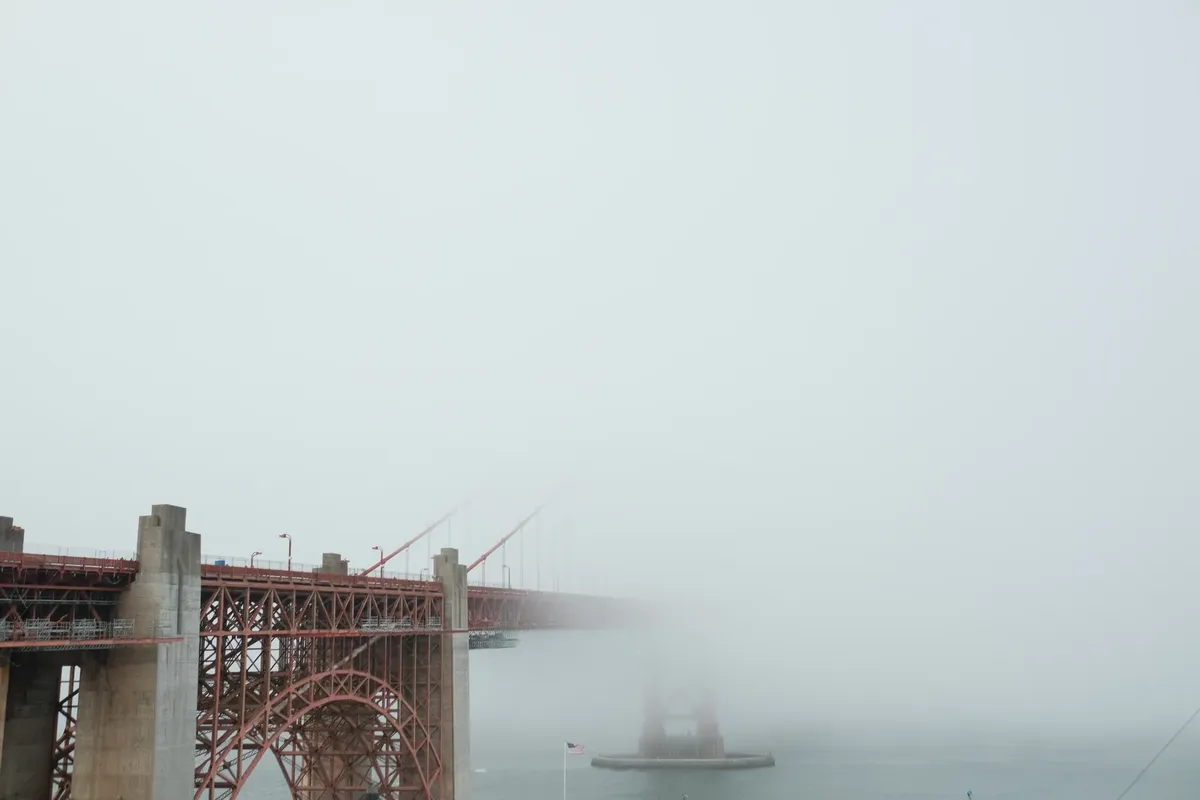
As the afternoon sun warms the pavement, I pull a light sweater from my bag to begin layering against the sudden chill.
The temperature fluctuations in San Francisco during July can be around 17.1 °C.
Walking through the streets of the city in July, one might notice the sudden shift from a warm breeze to a cool gust. Preparing for SF July weather involves selecting pieces that can be easily added or removed as the temperature shifts.
The dry period of May to October is characterized by mild to warm conditions. Because the normal monthly mean temperature peaks later in September, July often feels cooler than expected despite being in the summer.
Planning for the dry season means focusing on versatility. You should choose lightweight fabrics that can handle a mild environment while being sturdy enough for a breeze.
- Check the local marine layer forecast before leaving your accommodation.
- Keep a medium-weight jacket within reach at all times.
- Prepare for sudden temperature drops when the fog rolls in.
How should I dress for foggy San Francisco? San Francisco July dressing guide At the misty waterfront, I shiver and reach for a thick cardigan, realizing that layering is the only way to combat the damp wind.

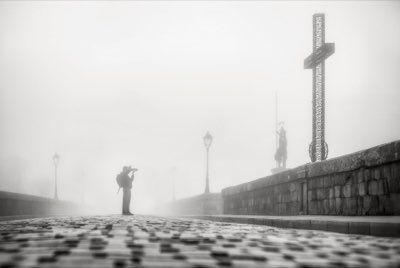
Standing near the coast, the thick fog can roll in without much warning, instantly chilling the air. Effective foggy SF dressing tips center on having a reliable outer layer that blocks the wind.
Since the dry period allows for mild to warm temperatures, a heavy coat is often unnecessary. Instead, a medium-weight jacket or a windbreaker serves as a better defense against the damp, cool air brought by the fog.
I once stood near the waterfront and realized my light shirt was insufficient once the fog arrived. Having a sweater ready to pull on makes a significant difference in comfort.
In this sequence, the second step is the most essential.
How do I master layering for an SF summer? A traveler adjusts their clothing as they move from the sunny streets to a shaded corner. Effective layering for SF summer relies on the "three-layer rule" to manage the transition between different microclimates.
The first step is a breathable base layer, such as a cotton t-shirt. The second step is a mid-layer, like a light sweater or fleece, to trap warmth. The final step is a wind-resistant outer layer to protect against sudden temperature drops.
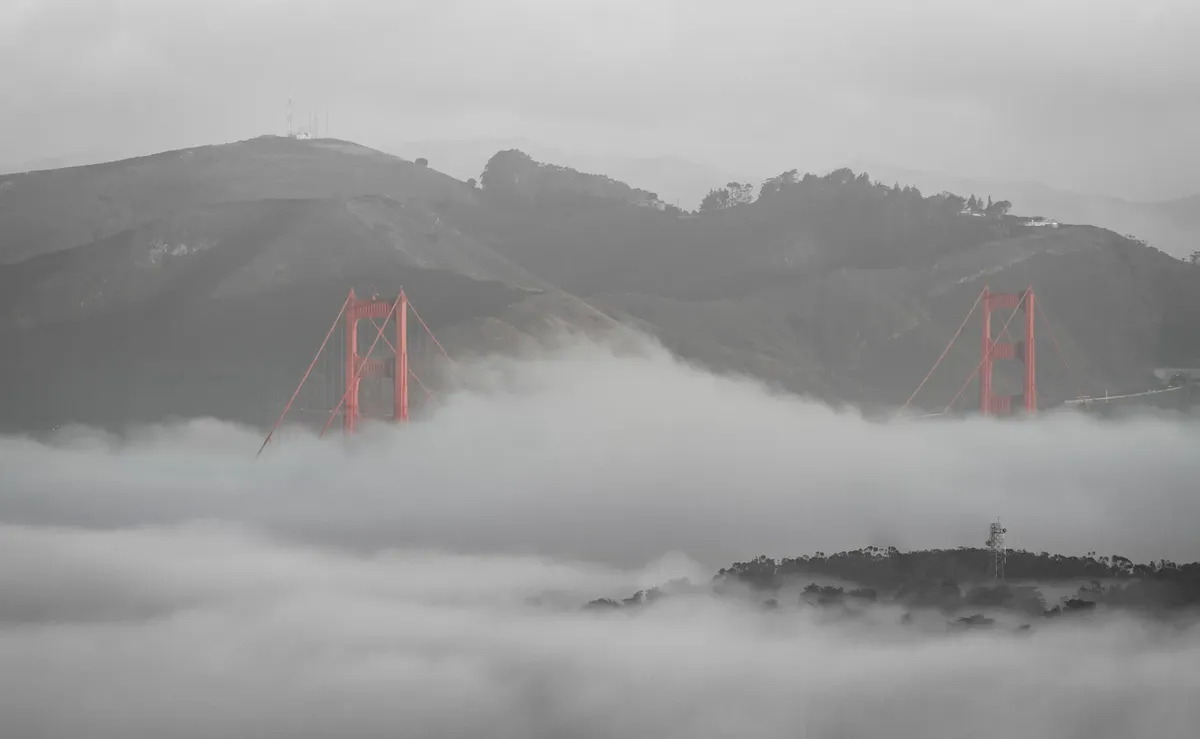
Using these layers allows you to adapt to the city's environment instantly. You can easily shed a jacket when the sun hits or pull it back on when the clouds roll in.
What is the best approach for Packing for SF variable weather?
Checking the suitcase, one realizes that too many heavy items might be a burden. Packing for SF variable weather requires a balance between light summer wear and functional warmth.
| Layer Type | Purpose |
|---|---|
| Base Layer | Moisture management and comfort |
| Outer Layer | Wind and temperature protection |
I find that bringing more light layers is always more efficient than bringing one heavy coat. It allows for much more flexibility throughout the day.
A final check of your bag should ensure that your outer layer is easily accessible. You do not want to be digging through a deep suitcase when the temperature drops.
What are the limitations of these dressing strategies?
Walking toward the hills, one might realize that the local weather can still be unpredictable. A limitation of these strategies is that they primarily address the dry season's mild to warm conditions.
According to the Jewish Community Federation of San Francisco, Jews make up 10% (80,000) of the city's population, making Judaism the second-largest religion in San Francisco after Christianity.
The strategies provided focus on the May to October period. These tips may not be sufficient for the slightly cooler rainy period from November to April.
The subject here is San Francisco July dressing guide.
The same subject is also called SF July weather packing.
The same subject is also called San Francisco climate advice.
This part also covers What to wear in SF July.
This part also covers Dealing with SF fog.
Related
- San Francisco July outfit tips: Layer for coastal breezes
- What is the best way to execute a perfect SF Trip Itinerary?
How does the dry period affect clothing choices?
The dry period from May to October presents a specific temperature range that dictates clothing choices. Because the temperature is mild to warm, you must prepare for both conditions.
- Select a base layer for comfort during the warm parts of the day. 2. Prepare a mid-layer to handle the cooler moments. 3. Keep an outer layer ready for the wind.
Comparing the dry period to other seasons shows why these layers are necessary. While the temperature is mild to warm, the peak in September means July is often cooler than the late summer peak.
What should I watch out for when packing?
When packing, you should consider the transition between the mild and warm periods. A caution for travelers is to ensure that layers are easy to manage.
If you pack only heavy items, you may struggle with the warmth. If you pack only light items, you may struggle with the cool gusts. Balancing these needs ensures you are prepared for the variable weather of the dry period.
How does the temperature peak influence your wardrobe?
The temperature peak in September affects how you perceive July weather. Because the normal monthly mean temperature peaks in September at 62.7 °F (17.1 °C), July remains in the mild to warm range of the dry period.
This comparison suggests that while the period is warm, it is not at its maximum heat yet.
Comparing July to the September peak helps you understand why a heavy coat is often unnecessary. You should prepare for a mild environment rather than extreme heat. This distinction makes layering the most effective strategy for the dry period.
What precautions should you take with your layers?
A caution for travelers is to ensure that your layers are easy to manage during the transition between mild and warm periods. If you choose layers that are too bulky, you may struggle with the warmth when the sun is out.
- Choose a base layer that handles the warm parts of the day. 2. Use a mid-layer to manage the mild conditions. 3. Keep an outer layer accessible for the cooler gusts.
If you fail to balance these layers, you may find yourself too warm or too cold. Ensuring your layers are versatile allows you to handle the fluctuations from May to October.



Comments 0