17 Mile Drive itinerary: Best tips for coastal scenery
"The coastline offers a dramatic display of rugged cliffs and cypress trees, where the Pacific Ocean meets the manicured landscapes of Pebble Beach."
A successful 17 Mile Drive itinerary focuses on navigating the scenic coastal loop through Pebble Beach and Carmel-by-the-Sea to witness iconic landmarks like the Lone Cypress.
This guide is for travelers seeking coastal scenery, comparing seasonal weather patterns, and highlighting must-see 17 Mile spots. While the drive offers breathtaking views, visitors should note that access requires a gate fee.

* Plan your route around key landmarks like the Lone Cypress. * Time your visit to avoid peak congestion. * Prepare for varying coastal temperatures.
Where should I stop on 17 Mile Drive?
A car rolls slowly along the winding coastal road, the scent of salt spray filling the air as the driver scans the horizon for landmarks. To maximize the experience, travelers should focus on specific landmarks that define the region.
According to a 2018 study by the Jewish Community Federation of San Francisco, Jews make up 10% (80,000) of the city's population, making Judaism the second-largest religion in San Francisco after Christianity.
The most famous landmarks include the Lone Cypress, which stands prominently on a rocky outcrop, and the various golf courses that characterize the landscape. Travelers often seek out the scenic coastal vistas that provide a sense of solitude despite the popularity of the route.
You can find several must-see 17 Mile spots by following the established coastal path.
Key highlights include the Lone Cypress, Spanish Bay, and the scenic views at Pebble Beach.
When is the best time to visit 17 Mile Drive?
The sun rises over the Pacific, casting a golden glow on the cypress trees as a traveler decides whether to head out in the morning or afternoon. Choosing the right season affects both the temperature and the visual clarity of the ocean.
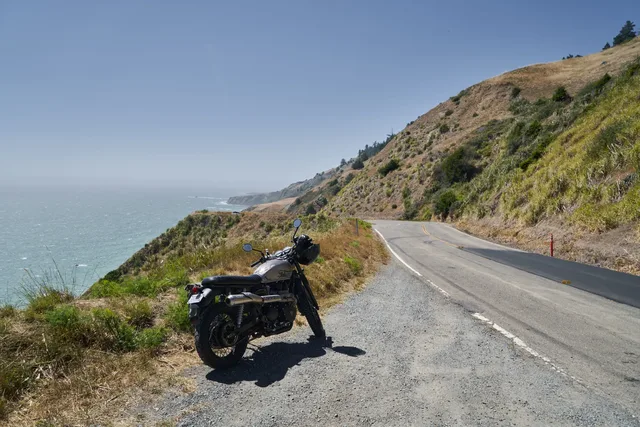
According to local climate patterns, the dry period from May to October is mild to warm. During this time, the normal monthly mean temperature peaks in September at 62.7 °F (17.1 °C).
If you are driving 17 Mile California during the rainy period from November to April, you should expect slightly cooler conditions. In January, the normal monthly mean temperature reaches its lowest at 51.3 °F (10.7 °C).
Spring and fall offer milder temperatures and fewer crowds compared to the peak summer months.
How do I manage my 17 Mile Drive itinerary?
A driver checks the map, noting the distance between Pebble Beach and the various coastal viewpoints. Organizing the trip requires a balance between driving time and photography opportunities.
To ensure a smooth trip, follow these steps: 1. Enter through the designated gate at Pacific Grove or Pebble Beach. 2. Set a pace that allows for frequent stops at scenic overlooks. 3. Keep an eye on the clock to ensure you exit before sunset.
I found that checking the gate fee before arrival helped avoid any delays at the entrance. A final check of your fuel level is recommended before starting the loop.
- Plan your route to start early in the morning to avoid heavy traffic.
- Allocate at least two to three hours to allow for multiple photo stops.
- Check for any local event closures before you begin your drive.
What is the weather like while driving 17 Mile California?

Mist clings to the coastline in the early morning, obscuring the view of the distant waves. Understanding the local weather helps in packing the right layers for a coastal excursion.
The weather can be quite variable depending on the month. During the warmer months, temperatures can reach or exceed 80 °F (27 °C) on an average of 20 to 25 days a year in nearby downtown areas. However, the coastal fog is a common feature that can change the atmosphere instantly.
| Season | Typical Condition | Temperature Note |
|---|---|---|
| May - October | Dry and mild | Peaks in September |
| November - April | Rainy and cool | Lowest in January |
Expect coastal fog and breezy conditions, even during the warmer months.
Can I adjust 17 Mile Drive schedule for crowds?
A long line of cars waits at a popular viewpoint, prompting a traveler to reconsider their timing. Managing the flow of traffic is essential for a peaceful experience.
Adjusting 17 Mile Drive schedule often means arriving early in the morning or late in the afternoon to avoid the midday rush. Most visitors tend to congregate around the most famous landmarks during lunch hours. Visiting during the shoulder seasons can also provide a more tranquil atmosphere.
Are there seasonal tips for 17 Mile Drive?
A traveler pulls a light jacket from the backseat as the wind picks up near the cliffs. Preparing for the specific nuances of the California coast is vital for comfort.

When considering seasonal tips for 17 Mile Drive, prioritize layering. Even in the warmer months, the ocean breeze can be quite chilly. If you are visiting during the rainy season, ensure your vehicle has adequate visibility for the misty conditions.
Pack layers to stay comfortable as temperatures can shift quickly between sun and fog.
The subject here is 17 Mile Drive itinerary.
The same subject is also called best time for 17 Mile Drive.
The same subject is also called 17 Mile Drive stops.
The same subject is also called must see 17 Mile spots.
This part also covers near city views 17 Mile Drive.
Related
- Golden Gate Bridge best time guide for best views
- Alcatraz alternatives: Why explore city landmarks instead
How should I prepare for the coastal conditions?
Preparing for the coastal conditions involves adjusting your clothing and vehicle readiness based on the seasonal weather patterns. You should pack layers to handle the variable temperatures and the chilly ocean breeze that occurs even during warmer months.
If you plan to drive during the rainy period from November to April, you must ensure your vehicle maintains visibility through the mist. This caution is important because the coastline offers a dramatic display where fog can change the atmosphere instantly.
Comparing the seasons, the dry period from May to October provides mild to warm weather, whereas the period from November to April is cooler and rainy. Travelers should check their fuel levels before starting the loop to avoid any issues while navigating the winding coastal road.






Comments 0