SF Cable Car Routes: Compare 20 to 40 Minute Rides
"It doesn't feel like you're just climbing a hill; it feels like you're riding the heartbeat of the city."
Choosing the right cable car route is the difference between a smooth transit and a logistical nightmare. Depending on whether you want heart-pounding thrills or a scenic stroll, your choice will define your entire San Francisco experience.
* Understand the difference between steep climbs and scenic vistas. * Learn how to pick a route that matches your itinerary. * Master the logistics of boarding to save time and energy.
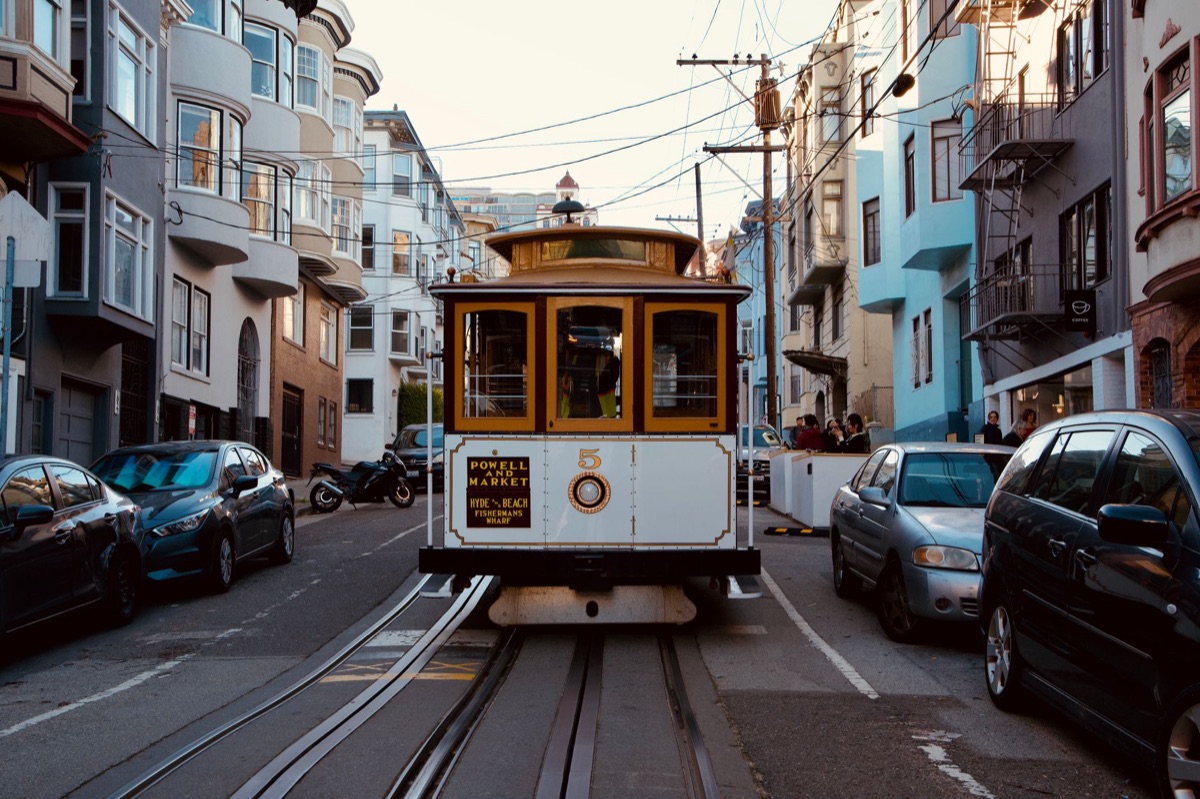
Which route captures the true spirit of San Francisco?
At 10:00 AM, a crowd gathers near a busy stop near Union Square. The sound of metal grinding against metal echoes through the street, catching the attention of every passerby.
The San Francisco cable car is more than just a way to get from point A to point B; it is a legendary engineering feat designed to conquer the city's vertical landscape. While every ride offers a unique perspective, not all routes are created equal.
Some zig-zag through the bustling downtown, while others conquer terrifyingly steep hills.
The secret to this movement lies beneath the pavement. A massive underground cable, 1.25 inches in diameter, runs at a constant speed of 9.5 miles per hour.
This power is driven by a 510 horsepower electric motor located in a central powerhouse, using a set of self-adjusting sheaves to pull the cars along.
Each route offers a different personality. Some lines deliver the high-energy atmosphere of Fisherman's Wharf, while others offer the quiet elegance of Nob Hill. You have to decide how much "visual density" you want for your morning.
| Route Type | Primary Characteristic | Best For |
|---|---|---|
| Powell/Hyde Lines | Most popular and crowded; connects major landmarks | First-time visitors |
| California/Mason Lines | Includes steep climbs and high-thrill sections | Adventure seekers |
| Local Transit Lines | Connects residential areas to downtown | Those seeking a local feel |
Choosing a route is just the beginning, though. The real success of your trip depends on what happens once you step onto the platform.
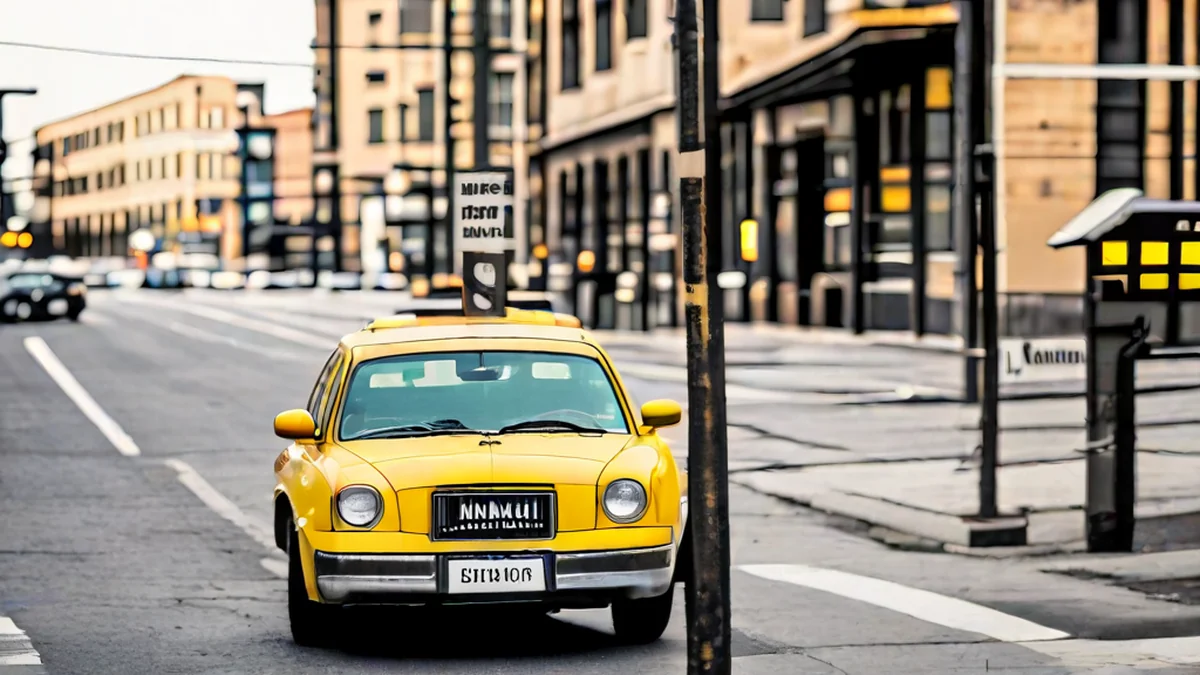
Can I handle the thrill of the steepest climbs? At 2:00 PM, a car reaches the crest of a massive hill and begins its descent. Passengers grip the handrails tightly as the vehicle tilts, creating the illusion that it might tip forward into the street below.
If you want a dramatic experience, you cannot skip the routes that tackle the city's most aggressive inclines. These sections allow you to feel the raw power of the gravity-defying system. As the car shifts weight, the change in momentum is palpable to everyone on board.
These cars are 27 feet 6 inches long and 8 feet wide, weighing 15,500 pounds. The heavy vibration and the mechanical roar as these massive vehicles climb a steep grade are the highlights of the ride.
Many travelers prefer to hang onto the outside running boards to get a better view of the city unfolding below.
However, there is a trade-off. Because of the steepness, your body will shift significantly during acceleration and braking. Additionally, these high-thrill sections often have the longest lines.
A smart strategy is to treat these climbs as a "main event" and use other transit methods for the rest of your day.
But once the adrenaline fades, how do you transition back to a regular sightseeing schedule?
Efficiency in the city center: The Powell Route
At 9:00 AM, a bright yellow car glides into a stop near a bustling intersection. Passengers step on and off in a practiced, rhythmic motion that makes the city feel alive.
The Powell route is often the most accessible option for travelers. It acts as a central hub, cutting through major landmarks and making it easy to reach areas like Fisherman's Wharf or Nob Hill. When planning an itinerary, this is often the logical starting point.
The main advantage here is efficiency. Because it passes through high-density tourist zones, you can combine transit with sightseeing. For example, starting in the shopping district and heading toward the waterfront becomes a seamless transition.
The downside is the sheer volume of people. Because it is so central, it is often packed. During weekend afternoons, you might find yourself waiting in a long line just to secure a spot. To maximize your time, try to ride during the early morning or late afternoon to avoid the heaviest crowds.
Moving efficiently is great, but don't let the speed of the trip cause you to miss the history beneath your feet.
History and views: The Nob Hill connection
As the sun begins to set, a cable car glides past the elegant mansions of Nob Hill. The Victorian architecture glows in the golden light, creating a scene that feels pulled from a movie.
Routes that skirt around Nob Hill offer a perfect blend of historic architecture and sweeping city views. If you want to feel the classic, old-world charm of San Francisco, this is a must-do. Riding through these streets feels like stepping back in time.
This area provides a perfect balance of moderate incline and incredible panoramic views. Watching the city lights flicker on as you descend a hill at dusk can be one of the most memorable moments of a trip.
To get the most out of this, pair your ride with a walk through nearby historic districts or a visit to a local museum. It turns a simple ride into a deep dive into the city's heritage.
With the scenery in mind, what practical steps should a traveler take to ensure a smooth ride?
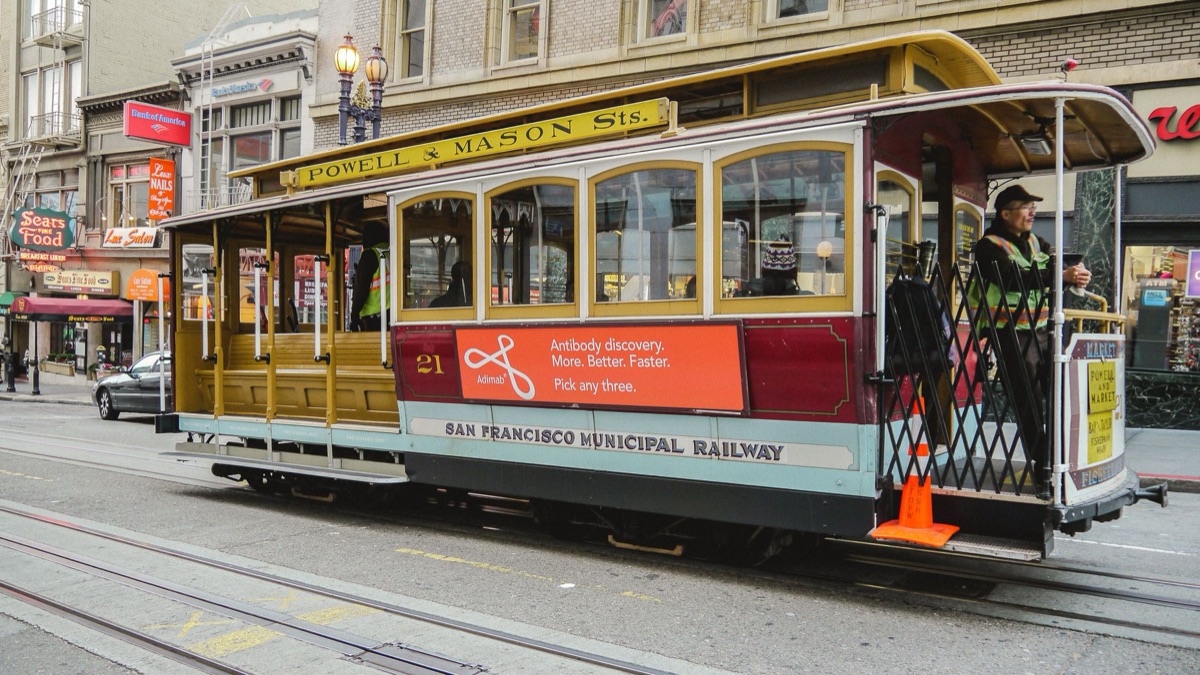
A practical guide for first-time riders
At 4:00 PM, a line of people waits patiently at the boarding area. Some check their maps, while others adjust their camera settings, preparing for the ride.
Success on a cable car trip requires more than just showing up. Without a bit of planning, you might find yourself spending your entire afternoon standing in line rather than seeing the sights.
- Avoid Peak Hours: Local commuters use these lines heavily between 7:00 AM and 9:00 AM, and again from 4:00 PM to 6:00 PM. For a more pleasant experience, aim for 10:00 AM or the mid-afternoon window between 1:00 PM and 3:00 PM.
- Use a Hybrid Transit Strategy: It is often inefficient to use cable cars for every single trip. Use them for the steep, scenic climbs, and use the Muni bus or BART for longer, flatter stretches to save both time and money.
- Prepare Your Payment: Payment methods can vary. Ensure you have a way to pay digitally or understand the local fare system before you reach the front of the line.
- Prioritize Safety: If you choose to ride on the outside running boards, you must hold on tight. The sudden shifts in weight on steep hills can knock you off balance, so always maintain a firm grip.
Once you understand these logistics, you can decide which type of traveler you want to be.
Comparing the experiences
Choosing a route determines the tone of your day. Whether you want a thrill or a scenic tour, your choice should match your energy level.
According to World Bank data, the United States recorded international tourist arrivals of 45,037,000 in 2020, highlighting the massive scale of global travel that these iconic landmarks attract.
| Factor | High-Thrill Routes | Central Hub Routes | Scenic/Historic Routes |
|---|---|---|---|
| Primary Experience | Extreme climbs and gravity | Access to major landmarks | Architecture and views |
| Crowd Level | High | Very High | Moderate |
| Best Use Case | A specific "event" ride | Moving between districts | Sightseeing-focused travel |
| Ideal Timing | Mid-day | Early morning/Late afternoon | Sunset/Golden hour |
[A Note on Expectations] Remember that these are historic vehicles, not high-speed commuter trains. They can be slower than modern transit. If your schedule is incredibly tight, treat the cable car as an "experience" rather than a primary mode of transport.
Additionally, because of capacity limits, you might not always get a spot on the first car that arrives.


Comments 0