Beyond Views: Your Frank Guide to Safe SF Travel Experiences
Beyond the Golden Gate views: A frank, local’s guide to navigating San Francisco’s realities, from petty theft to urban survival.
Navigating San Francisco requires a blend of curiosity and caution. While the city offers world-class sights, its unique urban layout and specific crime patterns demand a proactive approach from every visitor.
* Proactive situational awareness is your primary defense against opportunistic crime. * Understand the city’s microclimates and geographical vulnerabilities. * Strategic planning is crucial for maximizing tourist experiences while minimizing exposure to high-risk areas.
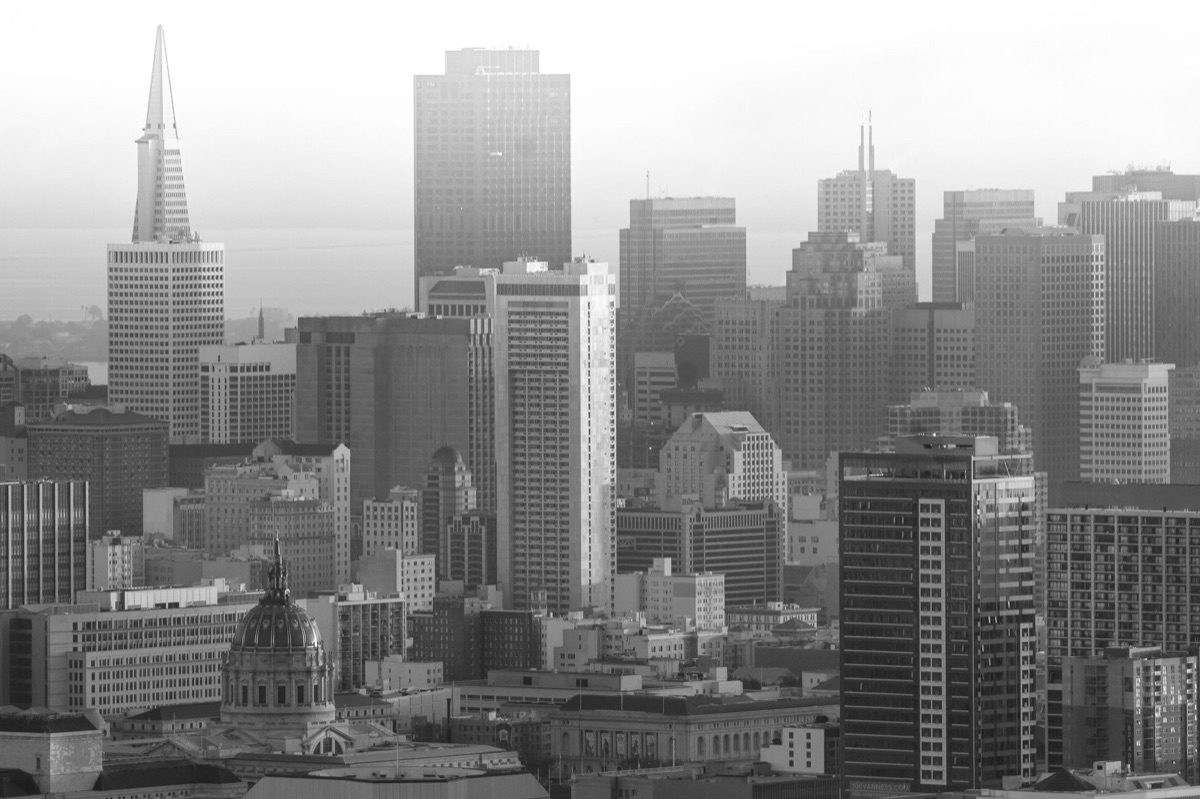
Where and when should I stay alert? I remember standing on a street corner in Union Square, looking at a beautiful view of the Transamerica Pyramid, when I realized my backpack was hanging loosely off one shoulder. A passing cyclist glanced at it, and suddenly, I felt that sharp, instinctive urge to pull it closer.
In a 2018 study by the Jewish Community Federation of San Francisco, it was noted that Jews make up 10% of the city's population.
That moment of realization—that even in a beautiful city, opportunity meets preparation—is the essence of SF safety.
The most common threat to travelers is not violent crime, but opportunistic theft. In high-traffic areas, "smash-and-grab" car break-ins are a reality. If you rent a car, never leave a single item—not even a charging cable, a jacket, or an empty shopping bag—visible on the seats.
Thieves often target vehicles parked in popular tourist zones, looking for easy targets.
Public transit, specifically BART and Muni, is generally efficient, but you should remain vigilant during late-night hours. While the city is compact, certain transit hubs can feel overwhelming. If you feel uncomfortable on a train, move to a car with more passengers or alert a transit employee.
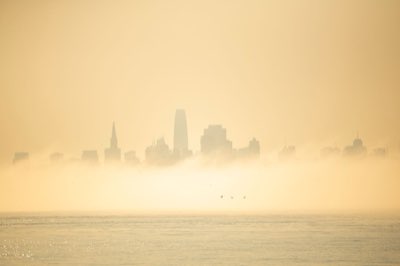
The unpredictable weather also plays a role in your safety. When thick fog rolls in, visibility drops rapidly, which can lead to disorientation or slippery sidewalks. Staying aware of your surroundings is harder when you are distracted by a sudden drop in temperature or a heavy fog bank.
But what happens when you step out of the high-traffic zones and into the city's famous landmarks?
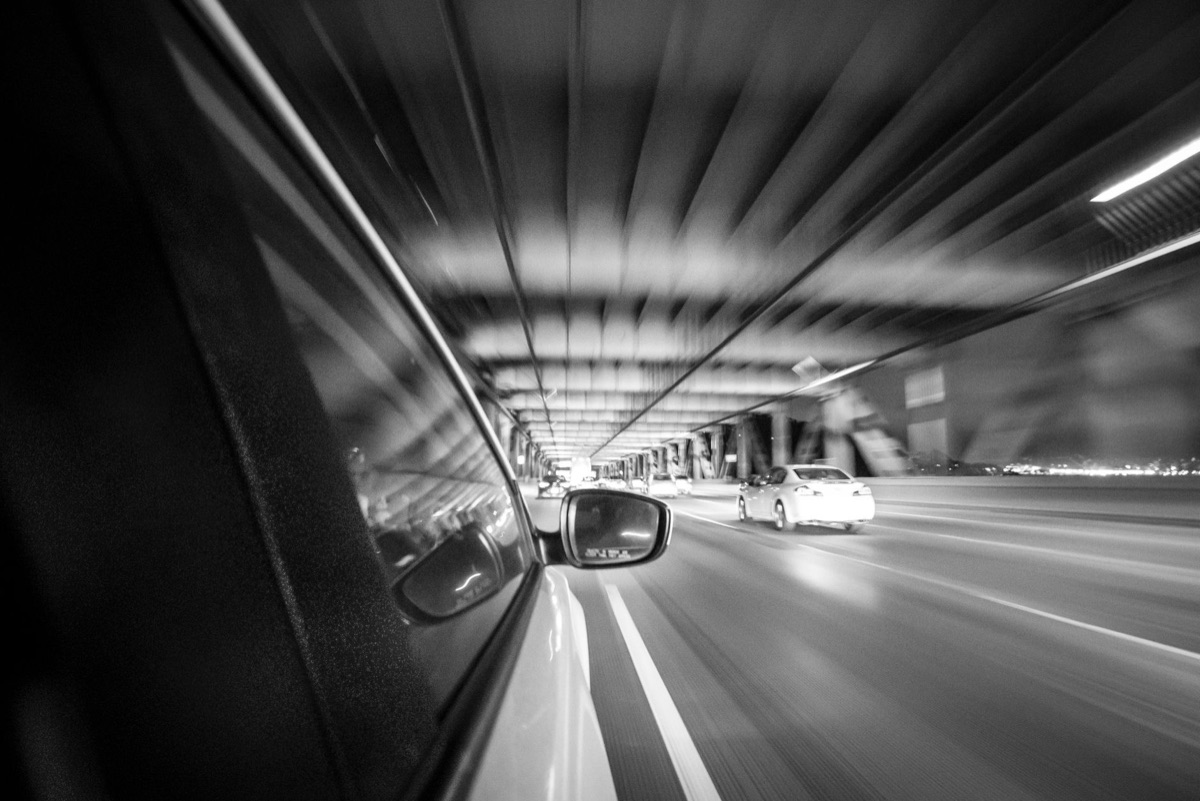
How can I see the sights without being at risk? I stood at Battery Spencer, looking out over the Golden Gate Bridge as the sun began to dip, feeling the wind whip through my layers. It was perfect, but I noticed several people looking nervously over their shoulders at the quiet parking lot.
According to World Bank data, the United States recorded international tourist arrivals of 45,037,000 in 2020.
To enjoy the city's best sights, you must understand the trade-offs of each location. For example, the Golden Gate Bridge offers various viewpoints, from the high-altitude vistas at Marin Headlands to the classic shots at Crissy Field.
Each requires different levels of walking and different levels of situational awareness regarding crowds and parking.
Alcatraz is a high-demand destination where tickets often sell out weeks in advance. If you find yourself in a "booking war" situation where ferries are full, look into alternative bay cruises or ferry tours that offer views of the island, though they won't provide the same historic immersion.
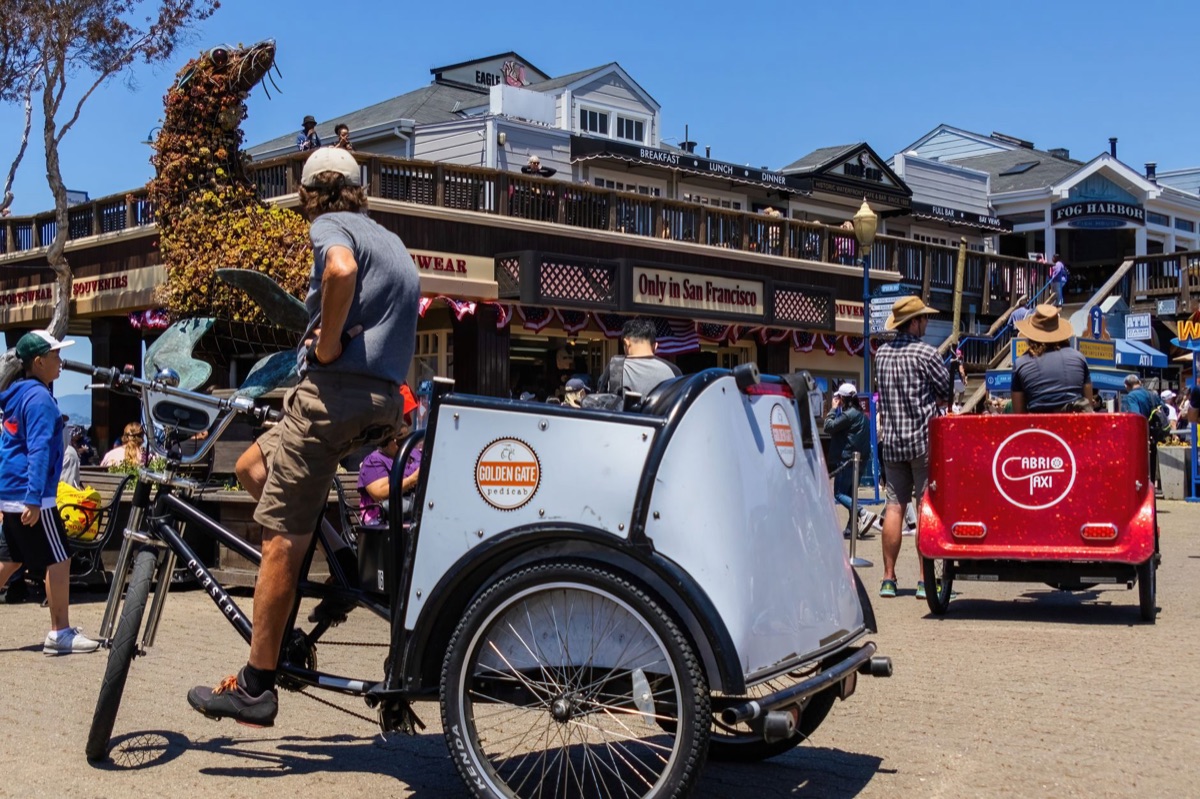
When visiting high-density areas like Pier 39 or Fisherman's Wharf, the sheer volume of people can be a distraction. While these areas are heavily policed and generally safe, they are also prime spots for pickpockets.
Keep your belongings in front of you and avoid looking like a lost, distracted tourist.
Choosing where to stay is your first line of defense. While Union Square is central, it sits near the edge of the Tenderloin, an area many travelers find uncomfortable due to visible street homelessness and erratic behavior.
If you prefer a quieter, more residential feel, look toward Nob Hill or Fisherman's Wharf, but always research the specific blocks around your hotel first.
However, even with a perfect hotel, the city's layout can still trip you up.
Mobility in SF: Mastering the Hills and Transit Maze
The first time I tried to walk from Union Square to North Beach, I thought the steepness was just a novelty. By the time I reached the top of a massive hill, my legs were shaking, and I realized that the city's verticality is a physical challenge as much as a visual one.
The city is often referred to by locals as a "seven-by-seven-mile square," a colloquialism describing its compact mainland shape. This small footprint makes it easy to navigate, but the steep terrain makes walking much more taxing than it appears on a map.
| Transport Mode | Best Use Case | Safety Tip |
|---|---|---|
| Cable Car | Iconic sightseeing & short climbs | Watch for sudden stops and heavy crowds |
| Muni (Bus/Light Rail) | Cross-city travel | Stay in well-lit, populated cars |
| Rideshare (Uber/Lyft) | Late-night or long-distance | Verify driver identity before entering |
| Walking | Exploring neighborhoods | Stick to well-lit, busy main streets |
Navigating the city requires mastering the mix of transit. While the historic Cable Cars are a must-do, they are often slow and crowded. For longer distances, using Muni or rideshares is more efficient.
If you are using a rental car, remember that parking in SF is notoriously difficult and expensive.
The city's layout means you might find yourself in a quiet, beautiful street one moment and a high-activity zone the next. Always have a plan for your route.
If you are heading out for a day trip to Napa, Sonoma, or Yosemite, ensure your rental car is parked in a secure, underground garage rather than on a public street to prevent theft.
But once you find your way, how do you handle the local lifestyle?
Dining & Local Life: Beyond the Tourist Trap
I sat in a small, crowded sourdough bakery in North Beach, the smell of yeast and sea salt filling the air. As I waited for my clam chowder, I watched a group of tourists struggle to navigate the narrow, winding street outside, looking lost in the sea of people.
San Francisco is a culinary capital, and much of the city's identity is tied to its food. From the famous sourdough bread to thick, creamy clam chowder served in bread bowls, the flavors are iconic.
If you are looking for a heavy, satisfying meal, a Mission-style burrito is a local staple that offers a perfect, portable lunch.
When dining, remember that popular spots often have long waits and high volumes. In busy restaurants, never leave your phone or wallet on the table while you step away to use the restroom.
The pace of life can vary. In the tech-heavy corridors, things might feel fast-paced and professional, while in historic neighborhoods, there is a slower, more relaxed rhythm.
Adjusting to this local pace helps you blend in and avoid looking like an easy target for scammers or aggressive street vendors.
But before you even step foot on a sidewalk, you need a plan.
Essential Planning: Pre-Trip & On-the-Ground Prep
I remember packing a heavy fleece jacket for a trip I thought would be sunny, only to find myself shivering in a thick, gray fog that felt more like a cold autumn evening than summer. It was a sharp lesson in the city's microclimates.
The most important rule for San Francisco is: "Summer is Winter." Even in July, the famous fog, often called "Karl," can drop temperatures rapidly. Always pack layers, including a windbreaker or a light jacket, regardless of the season.
To ensure a smooth trip, follow this essential checklist:
- Layer Your Wardrobe: Pack items that can be easily added or removed to handle 20-degree temperature swings.
- Secure Your Valuables: Use a hotel safe for passports and extra cash; never leave bags in a car.
- Download Transit Apps: Have Clipper, Google Maps, and rideshare apps ready to navigate quickly.
- Verify Your Stay: Check the specific street address of your hotel against local maps to understand immediate surroundings.
- less-than-ideal-option Prepare a Backup: Always have a secondary meeting point or contact if you lose phone battery.
Budgeting is also key. San Francisco is an expensive city. Between high-end dining, hotel stays, and transit, costs can add up quickly. It is wise to set a realistic daily budget and account for the high cost of parking if you plan to drive.
Finally, understand the local culture. The city is a blend of high-tech innovation and historic Victorian charm. Respecting local norms—like not blocking sidewalks or being mindful of quiet residential streets—will help you navigate the city with ease.


Comments 0