Union Square vs Fisherman's Wharf: Where to Stay in SF
"Choosing where to sleep in San Francisco isn't just about a bed; it's about deciding which version of the city you want to wake up to every morning."
Your choice between Union Square and Fisherman's Wharf will define your daily transit, your budget, and your overall energy levels. One offers the pulse of a metropolitan center, while the other offers the charm of a maritime playground.
Key Takeaways * Union Square: Best for theater lovers, high-end shoppers, and those prioritizing central transit access to the rest of the Bay Area.
* Fisherman's Wharf: Best for families, seafood enthusiasts, and travelers who want to step out of their hotel directly into the tourist heart of the city.
* The Decision Filter: If you want to *experience* the city's culture, go to Union Square; if you want to *see* the city's landmarks, go to Fisherman's Wharf.
Which vibe matches my trip?
I remember standing on the corner of Post and Market Street at 10:00 AM on a Tuesday in 2025, watching a sea of commuters rush toward the BART station while a street performer played a soulful saxophone melody. The energy was electric, fast-paced, and distinctly urban.
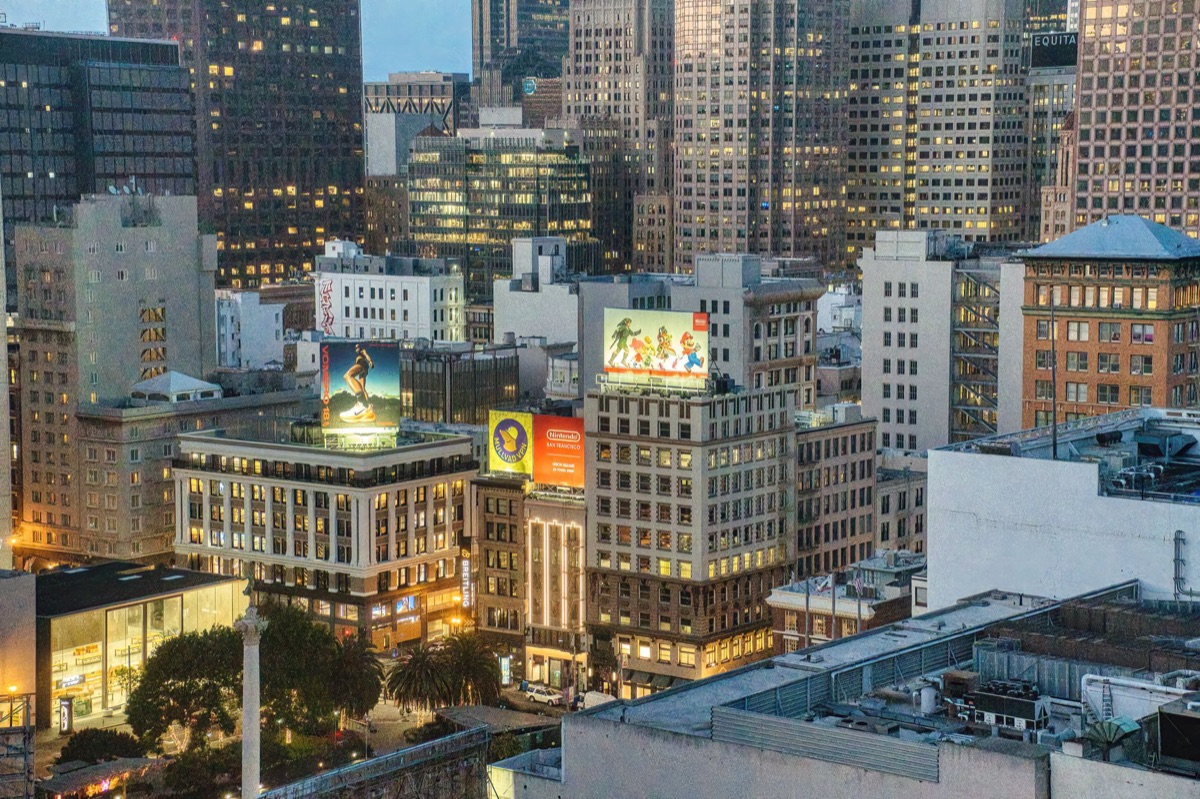
Union Square acts as the city's central nervous system. It is a high-density hub where luxury department stores meet historic theater houses. If your itinerary involves catching a Broadway-style show or shopping at high-end boutiques, this is your headquarters.
It is a place of movement, where the sidewalks are wide and the transit connections are immediate.
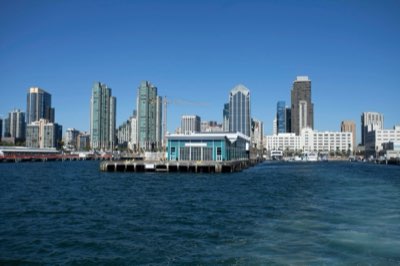
Fisherman's Wharf, by contrast, feels like a permanent festival. Walking toward Pier 39, you are greeted by the scent of sourdough and the sound of sea lions barking at the docks. It is heavily themed around maritime life and immediate sightseeing.
While Union Square feels like a city, the Wharf feels like a destination.
You must also consider the "avoidance zone." When looking at hotel maps, you might see listings that of the 2026 season that appear central but are actually bordering the Tenderloin district.
Staying in Union Square requires a bit more situational awareness regarding which blocks to walk through, whereas the Wharf is a much more contained, tourist-friendly bubble.
Choosing a vibe is about deciding between a metropolitan lifestyle and a vacation-mode atmosphere. But a vibe is only half the battle; you also have to move.
🚶♀️ How Will You Move Around SF?
The sun was just beginning to hit the steep incline of California Street as I gripped the brass pole of a moving cable car, feeling the sudden lurch of the vehicle against the tracks.
If you base yourself in Union Square, you are positioned at the nexus of the city's transit.
You have immediate access to the historic cable car lines, which are perfect for scenic climbs, and the underground BART and Muni systems, which can whisk you toward Oakland or the South of Market district in minutes.
It is a strategic jumping-off point for travelers who plan to explore diverse neighborhoods like Chinatown, Nob Hill, or even head toward the Mission District.
Fisherman's Wharf is much more localized. If your primary goals are visiting Alcatraz, strolling through Pier 39, or taking a ferry to Sausalito, staying at the Wharf makes perfect sense. You can often walk to your primary activities, which minimizes transit time.
However, getting to the other side of the city—like the Haight-Ashbury or the Richmond District—will require more significant bus or rideshare travel compared to the central hub of Union Square.
| Feature | Union Square | Fisherman's Wharf |
|---|---|---|
| Primary Vibe | Urban, Shopping, Transit Hub | Maritime, Sightseeing, Family-friendly |
| Best For | Culture seekers & Business travelers | First-time tourists & Families |
| Transit Access | Excellent (BART, Muni, Cable Car) | Moderate (Muni, Ferries, Water Taxi) |
| Walking Style | City strolling & Hill climbing | Waterfront strolling & Pier exploration |
The trade-off is clear: do you want to be in the middle of everything, or do you want to be right next to the landmarks? There is one more variable that can ruin a perfect itinerary: the weather.
What is the reality of SF weather?
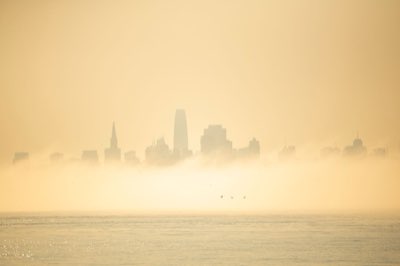
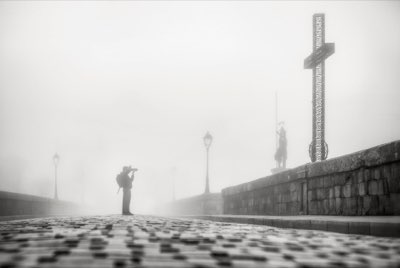
I pulled my heavy wool coat tighter around my shoulders as a thick, white wall of fog rolled over the Twin Peaks, turning the midday sun into a dim, gray twilight.
In San Francisco, "summer" is often a misnomer. The phenomenon known as "Karl the Fog" can roll in without warning, dropping temperatures by 20 degrees in a matter of minutes. This is where your hotel location plays a subtle but vital role.
If you stay at Fisherman's Wharf, you are right on the edge of the bay. You will feel the damp, chilly maritime air more intensely.
Mornings might be incredibly foggy, potentially obscuring your views of the Golden Gate Bridge, but you are also perfectly positioned to watch the fog roll through the docks.
Staying in Union Square puts you slightly further from the immediate coastal chill, though the hills still catch the wind. Regardless of where you stay, the "Summer is Winter" rule applies: always carry a versatile layer.
If you book an Alcatraz tour, which often departs from the piers, staying near the water might save you from a chilly, wet commute to the ferry terminal.
Your ability to enjoy the city often depends on how well you prepare for these sudden shifts in visibility and temperature. But once the fog clears, you'll likely be hungry.
🦞 Dining & Local Flavor: Beyond the Hotel Door
The sharp, acidic tang of a warm clam chowder-filled sourdough bread bowl hit my tongue, a perfect contrast to the salty breeze blowing off the bay.
The dining scenes in these two areas couldn't be more different. Fisherman's Wharf is the kingdom of seafood. If your dream trip involves eating fresh crab, clam chowder, and Dungeness crab right where it was caught, the Wharf is your paradise.
It is heavily geared toward the tourist palate, which makes it easy to find a meal, but you might find yourself paying a "view tax" for many of these establishments.
Union Square offers a much more diverse culinary landscape. While you can certainly find great food, the focus shifts toward high-end dining, international cuisine, and trendy cafes. You can find everything from Michelin-starred establishments to quiet, tucked-away dim sum spots in nearby Chinatown.
If you want a dinner that feels like a sophisticated city experience, Union Square is the winner.
* Fisherman's Wharf Staples: 1. Sourdough bread bowls with clam chowder. 2. Freshly cracked crab at outdoor seafood stands. 3. Biscoff-style treats and Ghirardelli chocolate. * Union Square Staples: 1. High-end fine dining and tasting menus. 2. Diverse international cuisines (Japanese, French, Italian). 3. Trendy brunch spots and upscale cafes.
Choosing a dining scene is a choice between casual, maritime indulgence and sophisticated, urban exploration.
Final Verdict
The right choice depends entirely on your travel style. If you want to be at the heart of the city's pulse, using it as a base to explore every nook and cranny of the Bay Area, Union Square is your best bet.
According to World Bank, the United States recorded international tourist arrivals of 45,037,000 in 2020.
If you want a relaxing, landmark-focused trip where the sights are right outside your door, Fisherman's Wharf is the winner.
Whatever you decide, remember to pack layers—the fog waits for no one.


Comments 0