Conquering SF Hills: A Rider's Guide to Cable Car Transit
"Don't just ride it; master it. Your foolproof guide to conquering the iconic, rattling San Francisco Cable Cars."
If you stand on a street corner in Nob Hill and hear that rhythmic, metallic clatter approaching, you aren't just hearing a tourist attraction—you are hearing a living piece of engineering that has been fighting gravity since the 19th century.
For many visitors, the transition from seeing a cable car as a "ride" to using it as "transportation" is a steep learning curve.
Key Takeaways * Strategy: Distinguish between scenic loops and functional transit routes to save time. * Operations: Master the specific boarding protocols and the cadence of the Muni system. * Context: Understand how the city's extreme topography dictates your riding experience.
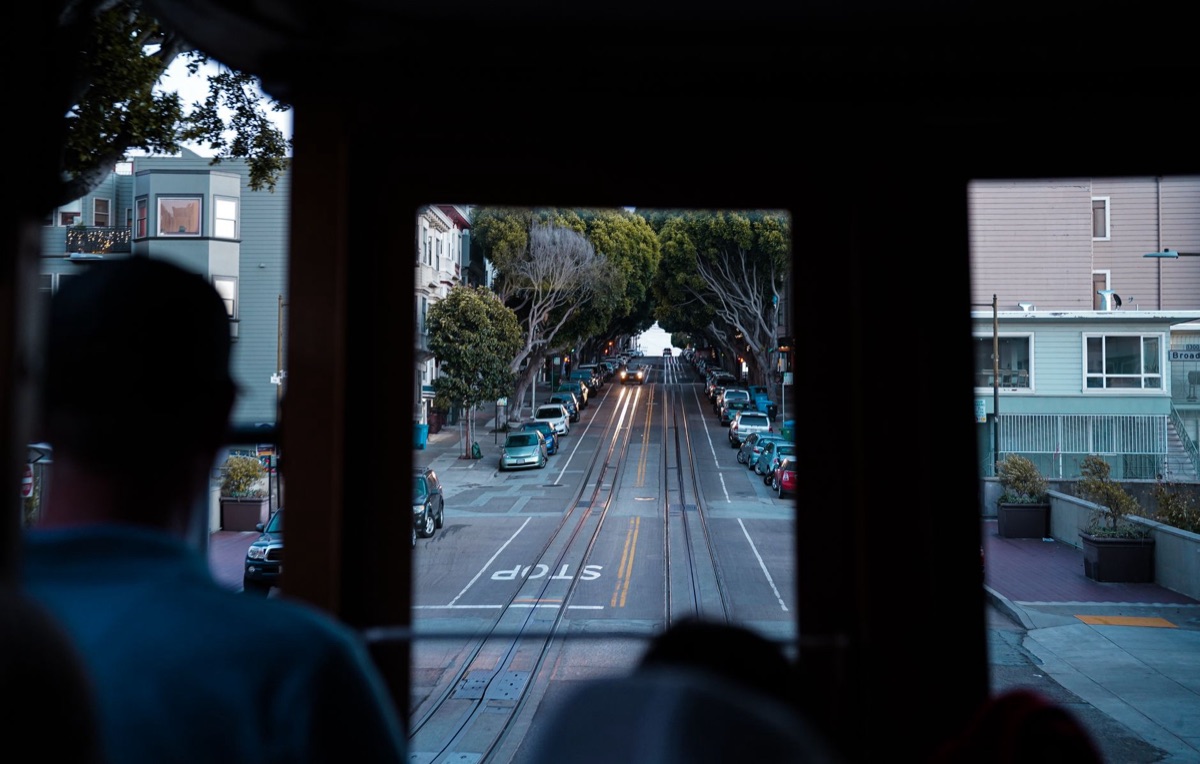
Why Are Cable Cars So Tricky for Tourists?
The sun hits the brass poles of a passing car at Union Square, reflecting a bright glint against the morning fog. You step toward the curb, expecting a simple boarding process, only to realize the line of people is moving in a way that feels more like a choreographed dance than a standard bus stop.
According to World Bank, the United States recorded international tourist arrivals of 45,037,000 in 2020.
The primary reason visitors struggle is that these aren't theme park rides; they are active, heavy-duty components of the SF Muni transit system. Unlike a modern bus, these cars operate on a complex underground cable system.
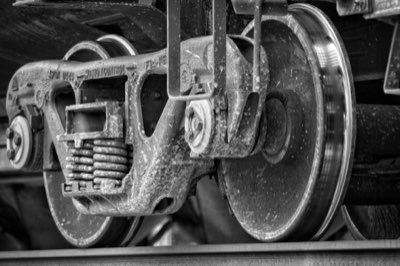
Each cable is 1.25 inches in diameter and runs at a constant speed of 9.5 miles per hour. To stay on track, both types of cars ride on a pair of four-wheel trucks designed to fit the track's narrow 3 foot 6 inch gauge.
Because they are part of a municipal system, they follow specific rules that differ from a standard subway or bus.
For example, the cars vary in size; some are 27 feet 6 inches long and 8 feet wide, weighing 15,500 pounds, while others are 30 feet 3 inches long and 8 feet wide, weighing 16,800 pounds.
This mechanical reality means they cannot turn on a dime or stop instantly, requiring passengers to be much more aware of their surroundings than they would be on a city bus. The complexity of maintaining such a vintage system also impacts how it is managed.
The following year after a major audit, the San Francisco auditor's office reported that the city was not receiving the expected revenue from cable cars, with an estimated 40% of cable car riders riding for free.
This revenue gap is a constant factor in how routes are planned and how often cars are serviced.
But understanding the mechanics is only the first step; you also have to learn how to move with the machine.
How do I master routes, boarding, and etiquette? You grip the cold metal of a handrail as the car jolts forward, the sudden surge of power pulling you toward the center of the vehicle. You look around and see a mix of locals in business attire and tourists with cameras, all trying to find a balance between the two.
To master the ride, you must first understand the routes. The Powell-Hyde line offers the most dramatic views of the bay, while the Powell-Mason line provides a different perspective of the city's densest neighborhoods.
When you arrive at a turnaround or a major stop, you will notice the cadence of the cars. During rush hours, cars left that terminus every 15 seconds. This frequency is vital for planning your transit time.
Boarding requires a specific etiquette. When a car approaches, the crowd usually splits: those wanting to sit inside and those wanting to stand on the running boards. If you plan to stand on the outside, you must be prepared for the swaying motion and the sudden shifts in momentum.
Always hold on to the poles or the handrails with a firm grip. Payment is also a key part of the ritual. You can use a Clipper card or purchase a fare through the Muni app. Because these cars are often crowded, having your payment ready before the car reaches your stop prevents bottlenecks.
If you are traveling with a group, ensure everyone has validated their fare to avoid the awkwardness of a fare inspector boarding a crowded car.
If you think you've mastered the rhythm, you might be surprised by how much more there is to navigate once you step off the car.
How do I fit cable cars into my SF itinerary? The wind whips through the open sides of the car as you crest a steep hill, revealing a sudden, breathtaking view of the bay. You realize that the ride itself is a way to navigate the city's "seven-by-seven-mile square" layout without walking miles of vertical incline.
The cable car is a gateway, but it shouldn't be your only mode of transport. It is designed to connect specific high-density areas, but it must be integrated with the broader SF Muni network, including buses, light rail, and BART.
While a cable car might take you from Union Square to Fisherman's Wharf, you will likely need a bus or a walk to get to more distant neighborhoods like the Richmond or Sunset districts. The topography of San Francisco is the ultimate driver of your travel plans.
The steepness of the streets makes walking a significant physical task, especially if you are coming from a hotel in Nob Hill or Russian Hill. Using the cable car to traverse these hills is efficient, but you must plan your "downhill" legs carefully.
For example, riding from the top of a hill to a lower district is often easier than trying to catch a car to go back up. If you are looking to pair your ride with other sights, use the cable car as your primary artery.
A ride on the Powell-Hyde line can lead you directly toward sights like Lombard Street or the waterfront.
By understanding that the cable car is a way to conquer the hills, you can plan your walking routes to be mostly flat or downhill, using the cars to handle the heavy lifting of the ascents.
But even the best-laid plans can be derailed by a long line or a sudden rainstorm.
Planning Ahead: Timing, Tickets, and Troubleshooting
You stand in a long line at the end of a street, checking your watch as the sun begins to dip lower in the sky. The queue is moving slowly, but you see the cars arriving frequently, and you wonder if you should wait or find another way.
Timing is everything. Because of the high demand, the "rush hour" of tourism often overlaps with local commuting hours. If you want a seat inside a car, you should aim for mid-morning or mid-afternoon.
If you are okay with standing or riding on the outside, the frequency of the cars—which can be as often as every 15 seconds during peak periods—makes it easier to catch a ride.
Regarding tickets, it is always better to have your fare sorted before you join the line. While you can buy tickets on board, it can be difficult to navigate a crowded car while fumbling with a wallet. For those looking to maximize their experience, look into a Muni multi-day pass.
If the lines at the major boarding points look insurmountable, have a contingency plan. The city's bus system is often much faster and follows similar routes.
If you find yourself stuck in a massive queue at a tourist hub, stepping a few blocks away to a local bus stop can often save you thirty minutes of waiting.
When I first tried to navigate the Powell Street line in 2025, I spent forty minutes in a queue only to realize a local bus could have taken me to my destination in ten. I learned then that the "scenic" route often comes with a time tax.
To make your trip seamless, follow this checklist:
- Download the Muni App: Ensure your Clipper card is loaded and ready on your phone before you reach the boarding area.
- Check the Route Map: Confirm if your destination is on the Powell-Hyde or Powell-Mason line to avoid traveling in the wrong direction.
- Time Your Arrival: Aim for 10:00 AM or 2:00 PM to balance availability with manageable crowds.
- Prepare for the Sway: If you are standing on the running boards, keep your weight centered and your grip tight.
- Have a Backup Plan: If the line exceeds 30 minutes, look for the nearest streetcar or bus line to bypass the bottleneck.
| Feature | Cable Car | Standard Muni Bus/Light Rail |
|---|---|---|
| Primary Use | Scenic & Iconic Transit | Efficient Mass Transit |
| Cost | Higher per ride | Standard fare |
| Speed | Slower due to stops/hills | Generally faster |
| Experience | High sensory/historical | Functional/modern |

Comments 0