7-Day SF Trip: Mastering the Weather from Spring to Fall
"I stood on the corner of Market and Powell, looking at a group of tourists in shorts and tank tops, only to see them shivering and sprinting toward a cafe ten minutes later when the fog rolled in."
If you are planning a trip to San Francisco in July 2026, do not let the "summer" label fool you. While the rest of the country is sweltering, you might find yourself reaching for a heavy fleece or a windbreaker just to walk to a museum.
Key Takeaways: * SF summers are highly variable; highs can be warm, but lows are often cool due to the marine layer. * Layering is non-negotiable: pack for 65°F highs and 55°F lows. * Mid-layers (sweaters, cardigans) and outer layers (jackets) are essential year-round.
* Planning activities around fog patterns dictates the best timing for views.
Why Does SF Summer Feel Like Winter?
The sun was setting over the Pacific, casting a golden light that promised a warm evening, but as the wind picked up, the temperature plummeted twenty degrees in a matter of minutes. In the summer of 2025, travelers often arrived expecting heat, only to find themselves shivering by 4:00 PM.
According to World Bank data, the United States recorded international tourist arrivals of 45,037,000 in 2020.
I watched a couple walking toward Fisherman's Wharf transition from light t-shirts to heavy jackets in a single block.
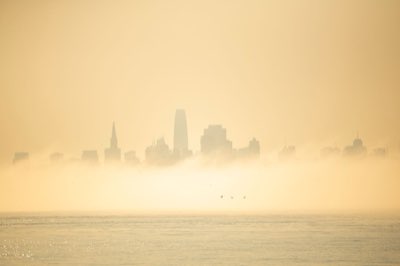
The primary culprit is the marine layer, affectionately known by locals as "Karl the fog." While the dry period of May to October is generally considered mild to warm, the temperature range within the city is vast.
In July 2026, you might experience a 20-degree temperature swing between sunrise and noon.
While temperatures can reach or exceed 80°F (27°C) on an average of 20 to 25 days a year at certain locations, the coastal reality is often much different. In neighborhoods like the Sunset District, the air can remain a brisk 58°F even at midday.
The city's geography plays a massive role. The mainland within the city limits roughly forms a "seven-by-seven-mile square," a common local colloquialism regarding the city's shape, though the total area including water is nearly 232 square miles.
This compact size means you can experience a microclimate shift just by traveling a few miles. While it might be warm in the Mission District, the wind whipping off the bay at Pier 39 can feel like a winter morning.
The seasonal transition is also unique. While the dry period is active, the normal monthly mean temperature peaks in September at 62.7°F (17.1°C), meaning even "warm" months stay relatively moderate compared to other American cities. In 2026, travelers should prepare for a median high of 64°F.
This constant tug-of-war between sun and fog makes preparation essential. But how do you actually pack without carrying a massive suitcase?
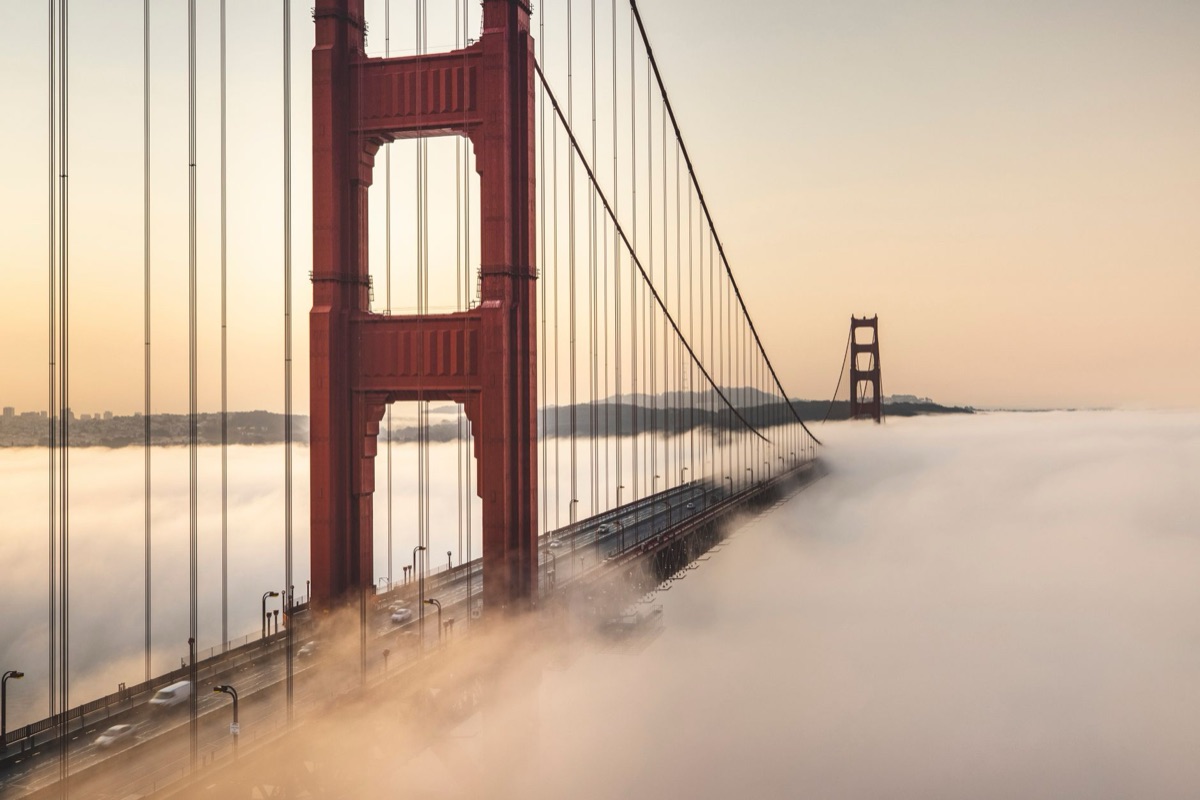
How should I pack for San Francisco's weather? I remember opening my suitcase in a hotel room in Nob Hill in July 2025, realizing I had packed entirely for a tropical vacation, only to look out the window at a wall of gray mist and realize my mistake.
To survive a San Francisco summer, you must think in layers rather than single heavy garments. A single heavy coat is often too bulky for the transit-heavy lifestyle of the city, but a t-shirt alone is a recipe for a cold.
- The Base Layer: Pack lightweight t-shirts or breathable tops. These are for those rare, sunny afternoons when the sun is actually out.
- The Mid-Layer (The MVP): This is your most important category. Pack medium-weight sweaters, cardigans, or flannel shirts. You will likely spend most of your time in this layer.
- The Outer Shell (The Protector): A windproof and ideally water-resistant jacket is non-negotiable. The wind coming off the Golden Gate can cut through thin fabric easily.
- The "Emergency" Layer: For late-night walks or particularly heavy fog days, a light puffer jacket or a thick scarf can make the difference between a pleasant stroll and a miserable one.
| Layer Type | Best Material | Purpose |
|---|---|---|
| Base | Cotton / Linen | Breathability for sunny spells |
| Mid | Wool / Fleece | Trapping heat during fog |
| Outer | Windbreaker / Shell | Blocking the coastal breeze |
Always check the forecast for both the high and low temperatures before you head out for the day. A 70°F high can quickly turn into a 55°F evening. However, there is a limit to how much gear you can carry while walking the hills.
Must-Do Activities & How Weather Impacts Them
The morning sun hit the sidewalk of Lombard Street, making the colorful houses look vibrant, but the sudden shroud of fog obscuring the hills reminded me that the weather dictates the itinerary. In the summer of 2026, visibility can change in under 30 minutes.
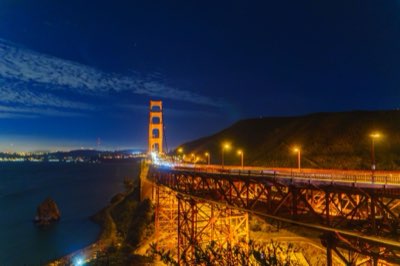
Your activities must be planned around the fog. If you want clear views of the Golden Gate Bridge, you need to time your visit carefully. Often, the fog rolls in heavily in the late afternoon, obscuring the towers entirely.
* Golden Gate Bridge Views: If you are heading to Battery Spencer or Crissy Field, check the visibility. Some days the bridge is a ghost in the mist; other days it is crystal clear. * Alcatraz Visits: Booking an Alcatraz tour is a competitive endeavor. Because the ferry rides can be extremely windy and cold, you must bring a jacket even if the sun is shining when you depart. * Pier 39/Fisherman's Wharf: Being right on the water means you are at the mercy of the bay. The wind here is constant and can feel much colder than the inland neighborhoods. * Day Trips: If you head to Napa or Sonoma, you might experience much warmer, sunnier conditions than in the city. Conversely, a trip to Yosemite will require much more rugged, cold-weather gear.
Planning your day around the fog is vital, but you also need to consider how you will move through the city once you are out there.
How can I get around the city comfortably? The steep incline of a cable car caused me to grip the handrail tightly, feeling the sudden chill of the wind as we rose above the city streets. In the summer of 2026, the wind can be just as biting as the rain.
Navigating the city's famous hills requires more than just a sense of direction; it requires the right footwear. Walking up and down steep streets in sandals or thin-soled shoes can be exhausting and potentially unsafe.
* Footwear: Wear comfortable, sturdy walking shoes. You will be walking significantly more than you might expect. * Cable Cars & Wind: Riding a cable car is a quintessential SF experience, but it is also an open-air experience. If you are riding on the upper deck or standing, the wind will hit you directly. Always have a jacket within arm's reach. * Transit vs. Walking: While walking is great for short distances, use the Muni or BART for longer hauls. If you are walking through neighborhoods like the Richmond or Sunset, the fog can settle in quickly, so always carry your mid-layer.
Walking the hills is one thing, but finding a warm place to rest is another.
Dining Experiences: Embracing the Local Scene
The steam rising from a bowl of hot clam chowder felt like a warm hug against the chilly breeze coming through the restaurant window. In July 2026, the dining scene reflects the cool coastal air.
San Francisco's food scene is designed for variable weather. When the fog rolls in, the city naturally gravitos toward cozy, warming meals.
* San Francisco Staples: Clam chowder served in a sourdough bread bowl is a classic for a reason—it is warm, filling, and perfect for a breezy waterfront lunch. A hearty Mission Burrito is another great option for a filling meal that can be eaten on the go. * The Dining Vibe: Some restaurants offer beautiful outdoor seating, but always check if they have heaters. In July, "outdoor dining" often requires a jacket. * Neighborhood Dining: From the upscale atmosphere of Nob Hill to the casual, bustling energy of South Beach, your dining experience will change with your location. In cooler neighborhoods, look for spots with cozy indoor seating to escape the wind.
While the food is excellent, there is one thing you should keep in mind regarding your wardrobe.
*Note: While layering is effective, avoid packing excessively heavy winter parkas unless you are traveling to higher elevations. In the city, bulky gear can be cumbersome on public transit and during long walks. The goal is versatility, not sheer bulk.*


Comments 0