San Francisco Hills: Mastering Lombard Street's Topography
"The geometry of the city is a negotiation between human ambition and the earth's refusal to be flat."
Mastering the architectural climb of Lombard Street is more than a stroll; it is a deep dive into the dramatic, bone-tiring topography that defines San Francisco.
* Lombard Street is a living timeline of engineering adaptation, not just a scenic viewpoint. * Understanding its original steepness provides essential context for navigating the city's hills. * The climb offers a microcosm of San Francisco's unique challenges, from extreme grades to sudden weather shifts.
Why is Lombard Street Worth the Climb?
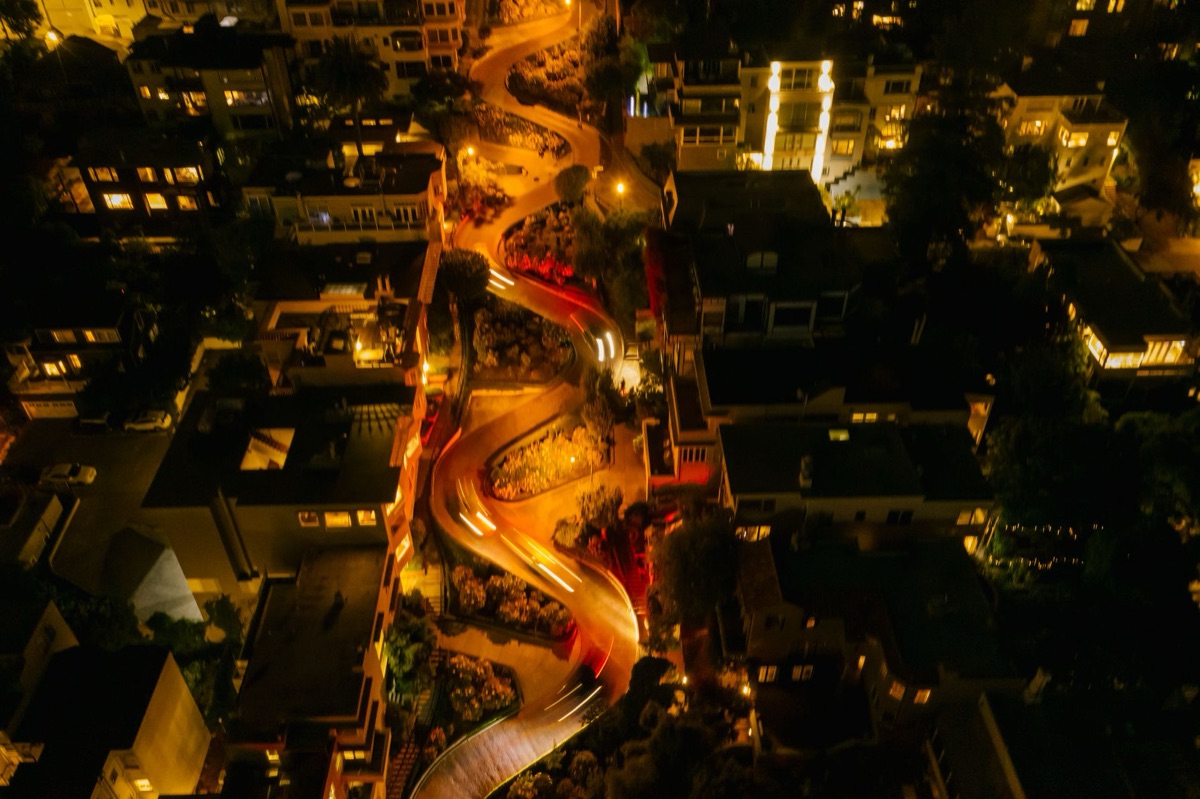
The morning sun hits the red brickwork at 8:30 AM, and you realize that this isn't just a pretty street—it is a solution to a problem. Standing at the top of the crooked section, you look down at the winding turns that make this block a global icon.
According to World Bank, the United States recorded international tourist arrivals of 45,037,000 in 2020.
The original design was born from necessity rather than pure aesthetics. The layout was first suggested by property owner Carl Henry and was built in 1922 to solve a specific topographical crisis.
The natural 27 percent grade of the hill was far too steep for most vehicles of that era to navigate safely. By creating these legendary switchbacks, the engineers essentially "tamed" the hill to make it usable for the growing city.
While it looks like a playful garden path today, it was a serious piece of civil engineering designed to mitigate a dangerous incline. Even now, the caution remains; the sign at the top of the crooked section recommends a speed limit of just 5 mph (8 km/h) to ensure safety.
Walking this street gives you a tangible sense of why the city looks the way it does—it is a constant negotiation between human architecture and the earth's natural slopes.
But as you look down the zigzagging path, you might wonder how anyone actually manages the transition from the street to the sidewalk.
How Do You Handle the Physicality of the Ascent?
You stand at the base of a steep incline, breathing in the salt air from the bay, realizing your calves are going to feel this later. The transition from the flat sidewalk to the winding brickwork is immediate and physically demanding.
Navigating the ascent requires a different mindset than a standard city walk. Because of the original 27 percent grade that prompted the design, the "crooked" part is essentially a series of controlled descents and ascents.
If you are walking from the bottom up, you aren't just walking a block; you are engaging in a vertical workout. In 2025, as more travelers prioritize active tourism, this street remains one of the most physically taxing "tourist traps" in the city.
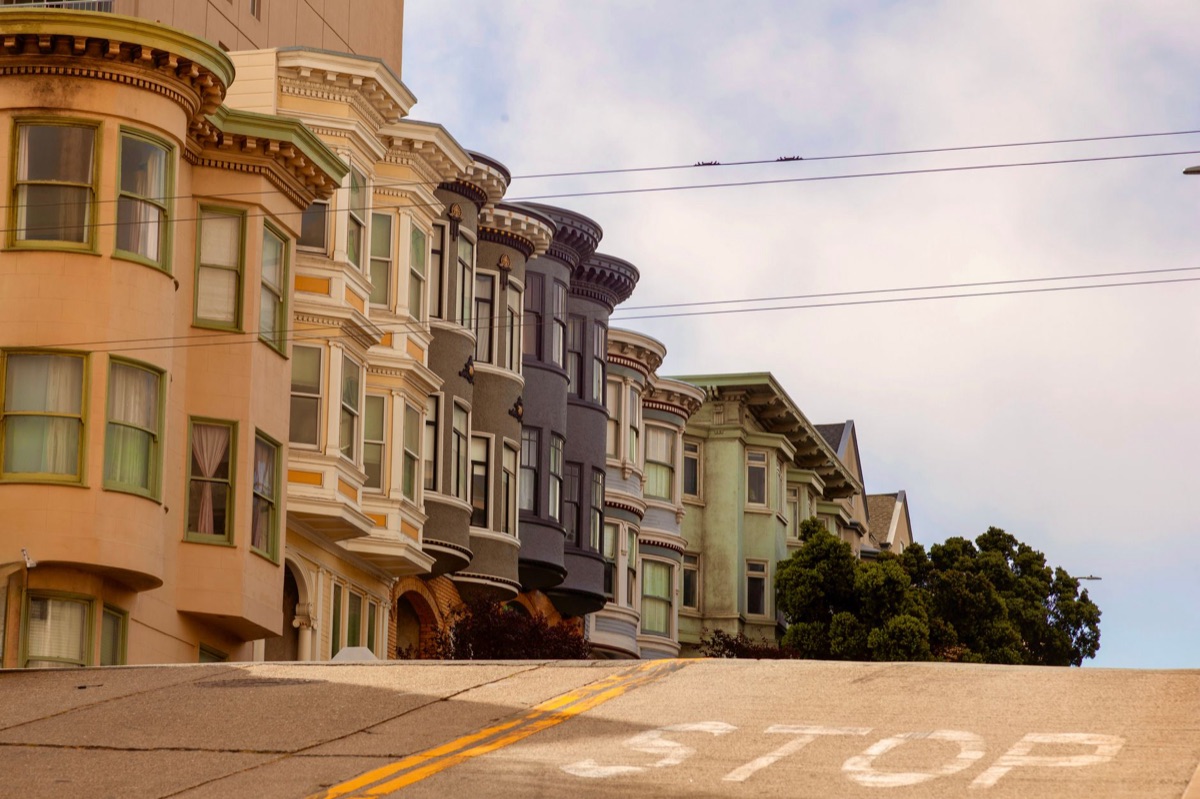
Pacing is everything. Many visitors make the mistake of rushing to the top to snap a photo of the Victorian houses, only to find themselves too winded to enjoy the view.
I suggest a "two-step" approach: walk the switchbacks to experience the geometry, then take the surrounding side streets to see how the neighborhood levels out.
When I tried this during a particularly humid morning in July 2025, I found that the side streets offered a much-needed break from the constant shifting of elevation.
Keep an eye on the colorful hydrangea gardens that line the stairs; they provide a momentary sensory distraction from the steepness of the climb. However, the physical challenge is only half the story; the real test is understanding how this single block fits into the massive scale of the city.
What is the Real Difference Between the View and the Terrain?
The wind picks up, whistling between the rows of colorful houses, and you realize how much the city's layout dictates your movement. You look up at the next hill, wondering how you'll tackle it.
Lombard Street is a concentrated version of the entire San Francisco experience. While the switchbacks are famous, they represent the broader struggle of living in a city built on a series of massive, irregular hills.
In many cities, a street is a way to get from point A to point B; in San Francisco, a street is often a feat of engineering designed to make movement possible at all.
This experience contrasts sharply with the city's other transit methods. While you might ride a Cable Car to conquer a hill, Lombard requires a more personal, physical engagement with the terrain. It serves as a reminder that in this city, geography is the primary architect of daily life.
But knowing the history is one thing; planning your day around it is another.
How Do You Pair Lombard with Your San Francisco Itinerary?
You check your watch, noting the time, and decide whether to head toward the waterfront or stay in the neighborhood. The plan must account for both energy levels and the shifting light.
To make the most of your visit, you should sequence Lombard Street carefully within your broader itinerary. Because of the physical exertion involved, it is often best paired with lower-intensity activities.
For example, you might visit the Fisherman's Wharf area in the morning for a lighter stroll and save the Lombard climb for the late morning when the sun is higher. In 2026, travel trends show a rise in "micro-adventures," making this perfect for a high-energy morning.
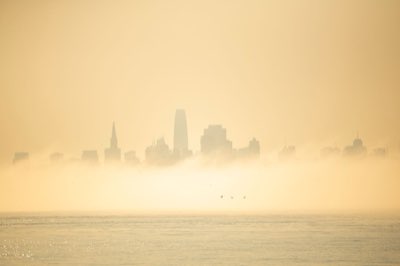
Timing is also critical for visibility. If you are visiting during the morning hours, you might encounter "Karl the fog"—the thick marine layer that often rolls in. If the fog is heavy, the view from the top might be obscured, turning your climb into a purely tactile experience.
If you have already booked a high-energy tour like an Alcatraz excursion, treat Lombard as your "active recovery" walk rather than a secondary task. But before you step onto those bricks, you need to be prepared for the sudden changes in the environment.
What Are the Essential Logistics for a Successful Visit?
You pull a light jacket from your bag as the temperature drops unexpectedly, a reminder that the forecast was only half the story.
Preparation is the difference between a memorable walk and a miserable one. Because of the city's unique microclimates, you must dress in layers. It is a common local truth that "summer is winter" in San Francisco.
While you might see clear skies in the valley, the wind at the top of a hill like Lombard can be biting. In 2026, travelers are increasingly using real-time weather apps, but local intuition still beats a smartphone.
Here is a quick checklist for your visit:
- Wear sturdy walking shoes: Do not attempt the brick switchbacks in sandals or heels; the grip is essential for the incline.
- Layer your clothing: Temperatures can fluctuate wildly. While downtown areas might see temperatures reach 80 °F (27 °C) on an average of 25 days a year, the wind on a hill can make it feel much colder.
- Time your visit: Aim for mid-morning or late afternoon to catch the best light for photography, but check the fog forecast first.
- Hydrate: The incline is real, and the physical effort can catch you off guard.
| Feature | Description | Practical Tip |
|---|---|---|
| Original Grade | 27% steepness | Expect a workout when walking up. |
| Speed Limit | 5 mph (8 km/h) | Watch for cars coming around corners. |
| Terrain | Brick switchbacks | Wear shoes with good traction. |
This checklist ensures you aren't caught off guard by the very terrain you came to see.



Comments 0